How to Identify Chinese Antique-Style Bronze Collectibles
Reference guide · Bronze Atelier · Published 2026-10-26
Almost everything sold online as an “antique Chinese bronze” is not. That is not a cynical line — it is the practical starting assumption a buyer should bring, because the honest question is never “is this old?” but “what evidence would make me think so, and can I see it?” This guide lays out the checks, and, more importantly, their limits.
‘Antique-style’ vs. ‘antique’
These are not degrees of the same claim. Antique-style means a modern object imitating an old design — perfectly legitimate as decoration. Antique means the object is genuinely old, which is a factual assertion requiring evidence: materials analysis, casting technique consistent with the claimed period, a plausible corrosion history, and ideally provenance (a documented ownership chain). A listing that quietly moves from the first to the second, with no evidence, is the single most common trap in this market.
The checks, ranked by what they actually prove
- Provenance / documentation — the strongest ordinary clue, and frequently forged or vague. “From an old collection” proves nothing.
- Alloy — XRF can show bronze vs. brass vs. zinc; it cannot by itself date a piece, but a modern high-zinc brass “Warring States ding” is already a contradiction (see the metal guide).
- Casting evidence — piece-mould seams, core pins and finish style can be consistent or inconsistent with a claimed method.
- Patina & corrosion — informative but the most faked thing on the object; see the patina guide.
Form coherence is a cheap, high-signal test
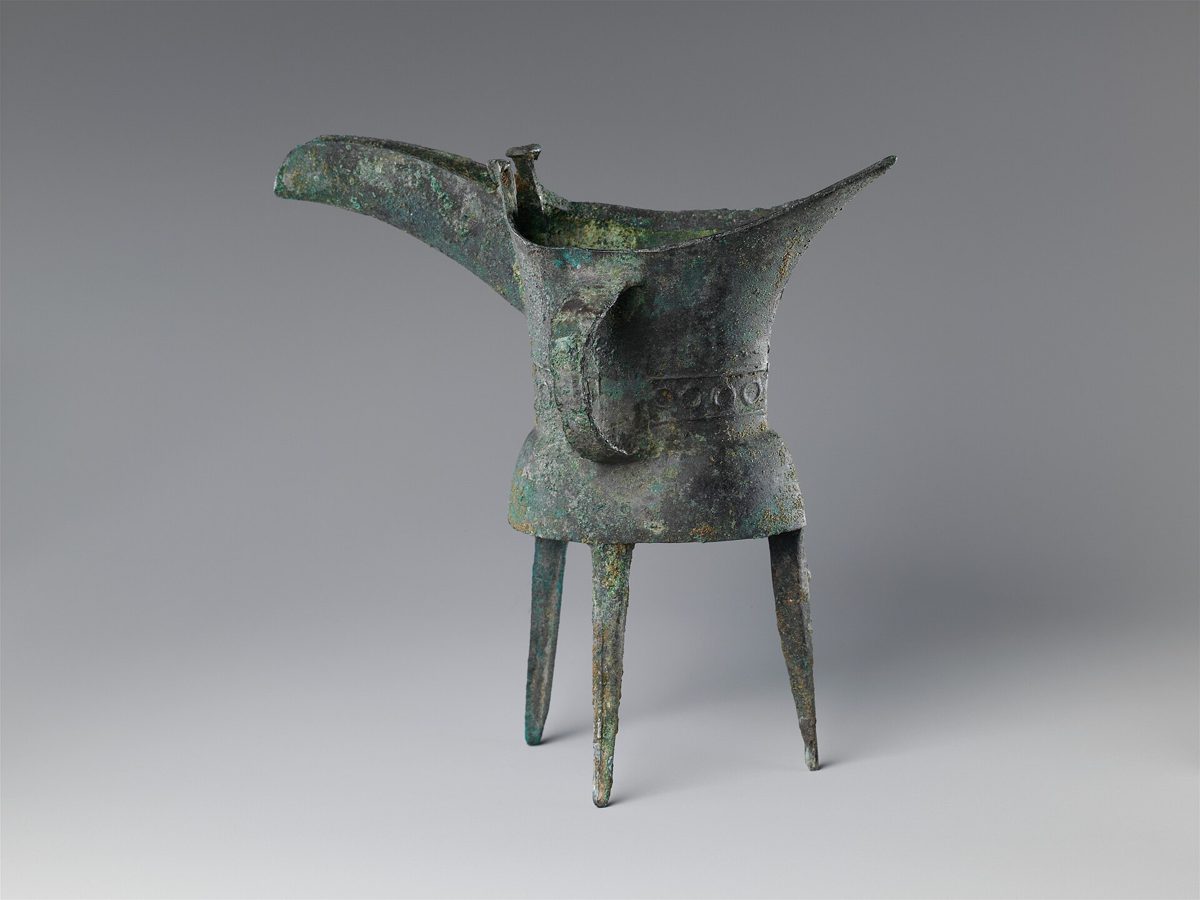
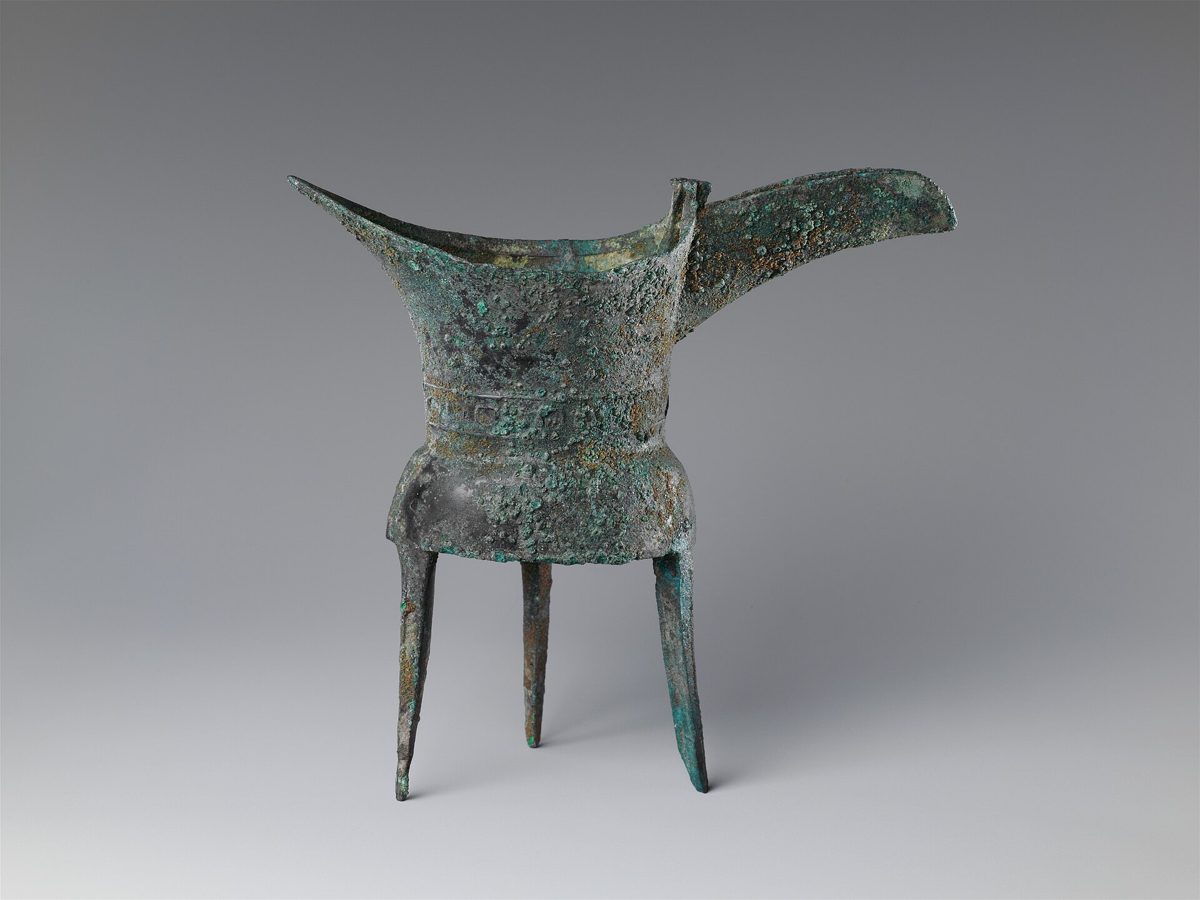
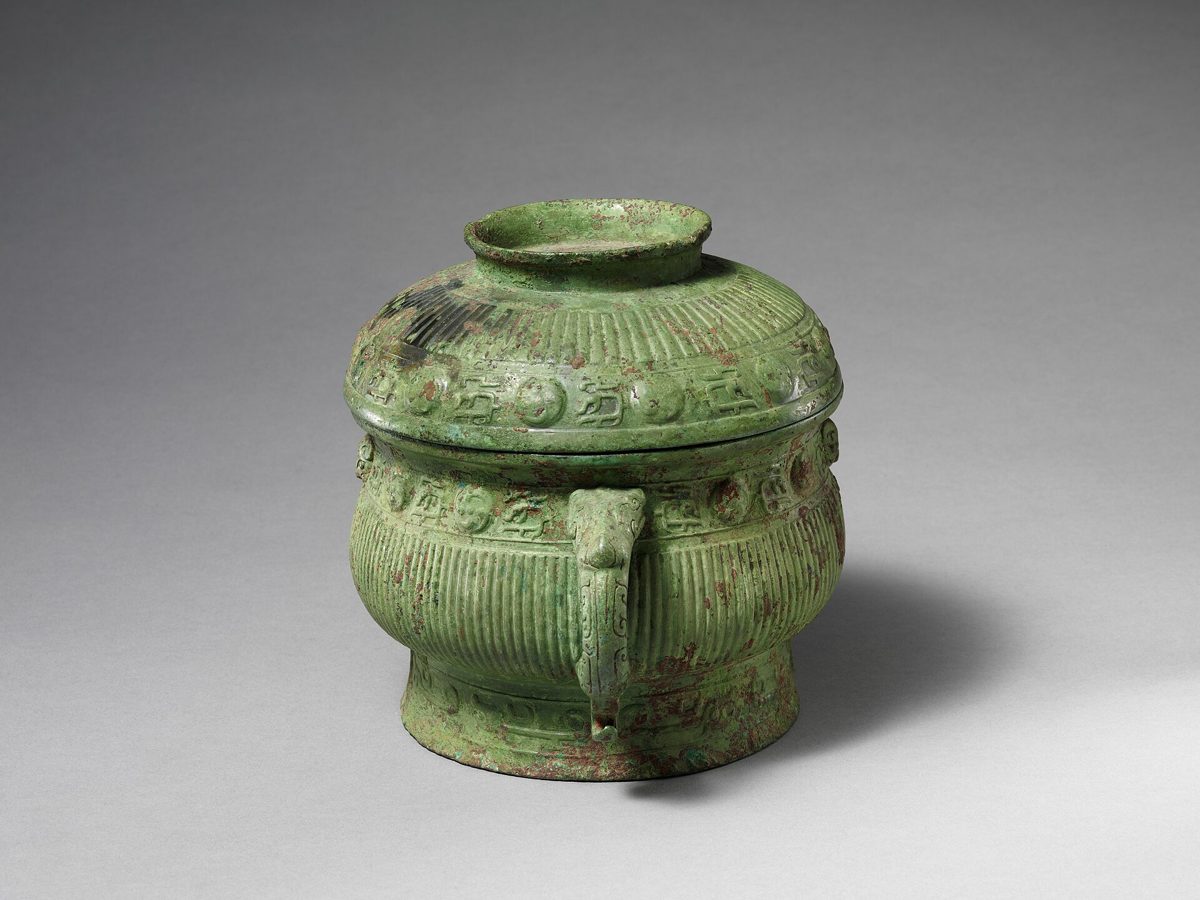
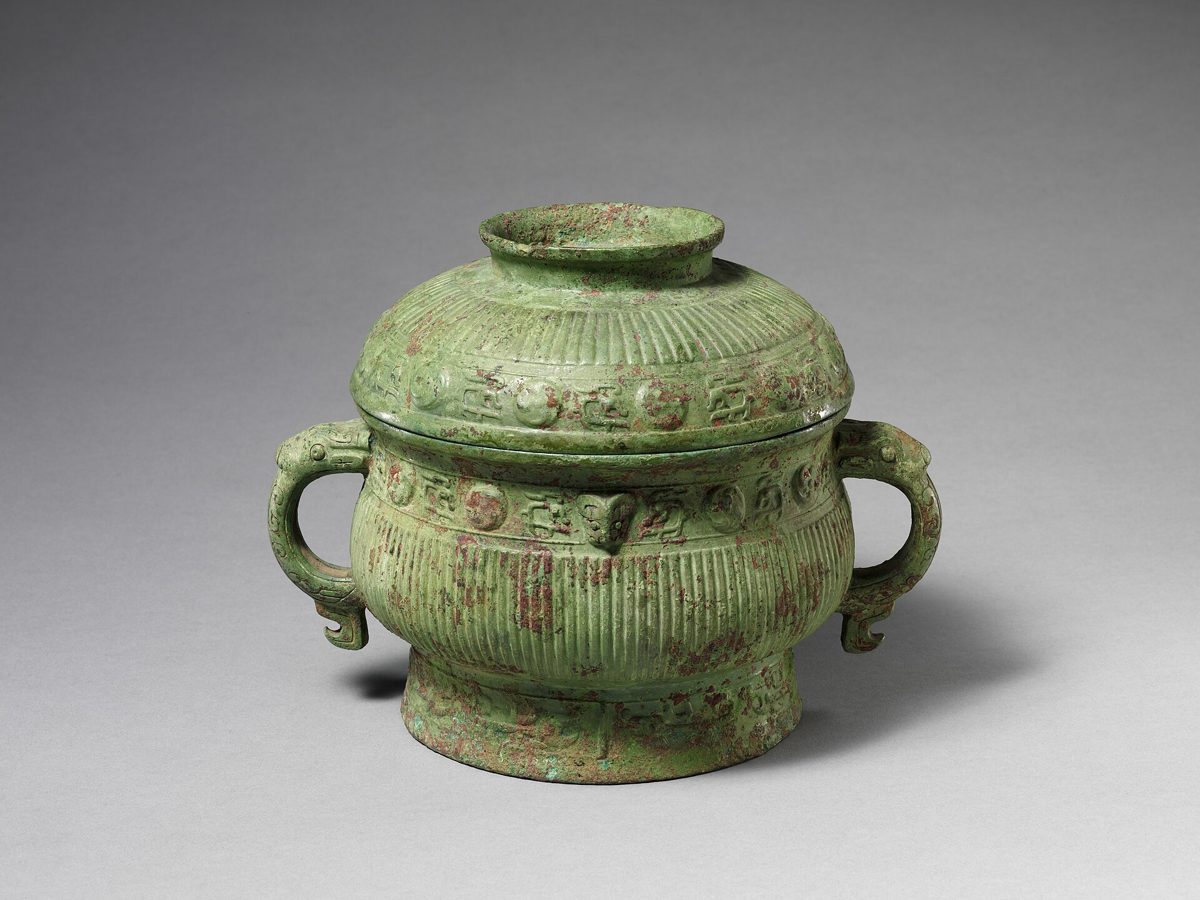
Before any lab, read the silhouette. Studied reproductions copy a known shape faithfully; fantasy pieces mix features that never co-occur — wrong leg count on a “ding,” jue pillars missing, a reign mark in a style centuries early. Learning the shape vocabulary (the visual guide) catches a large share of misrepresentation for free.
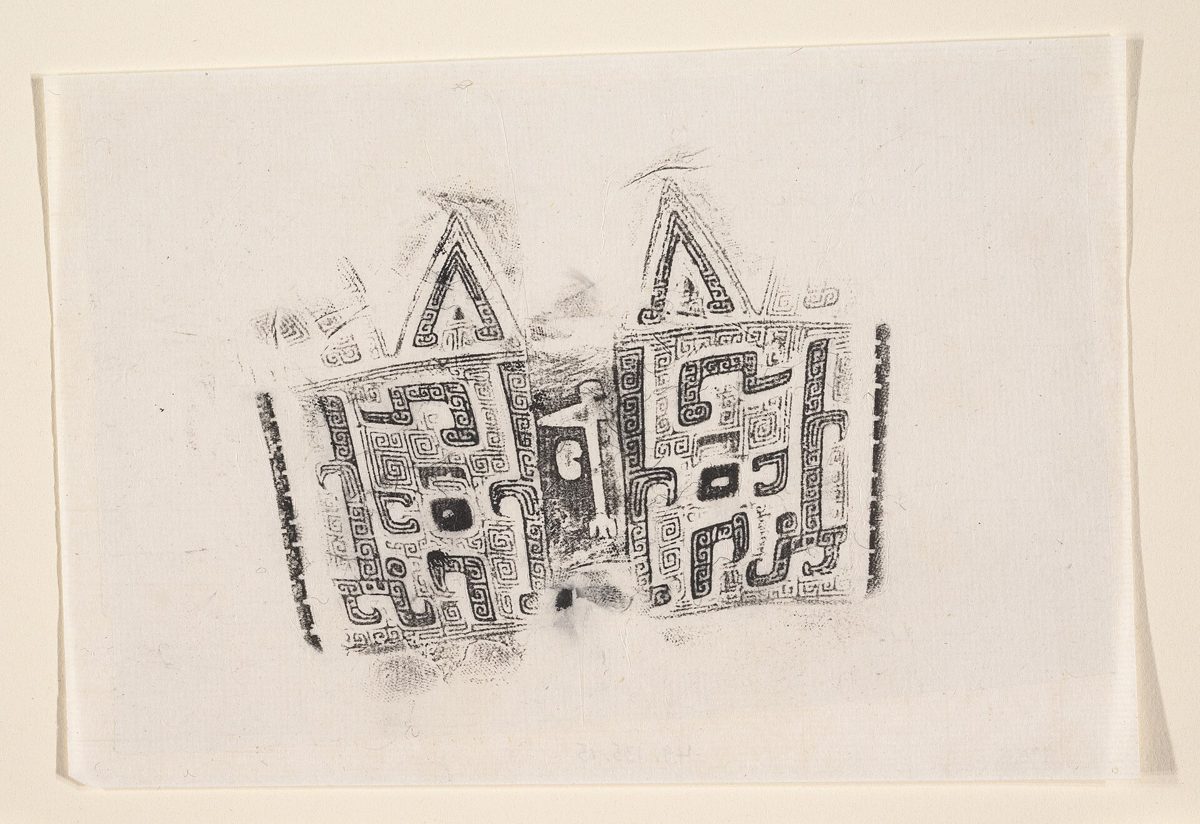
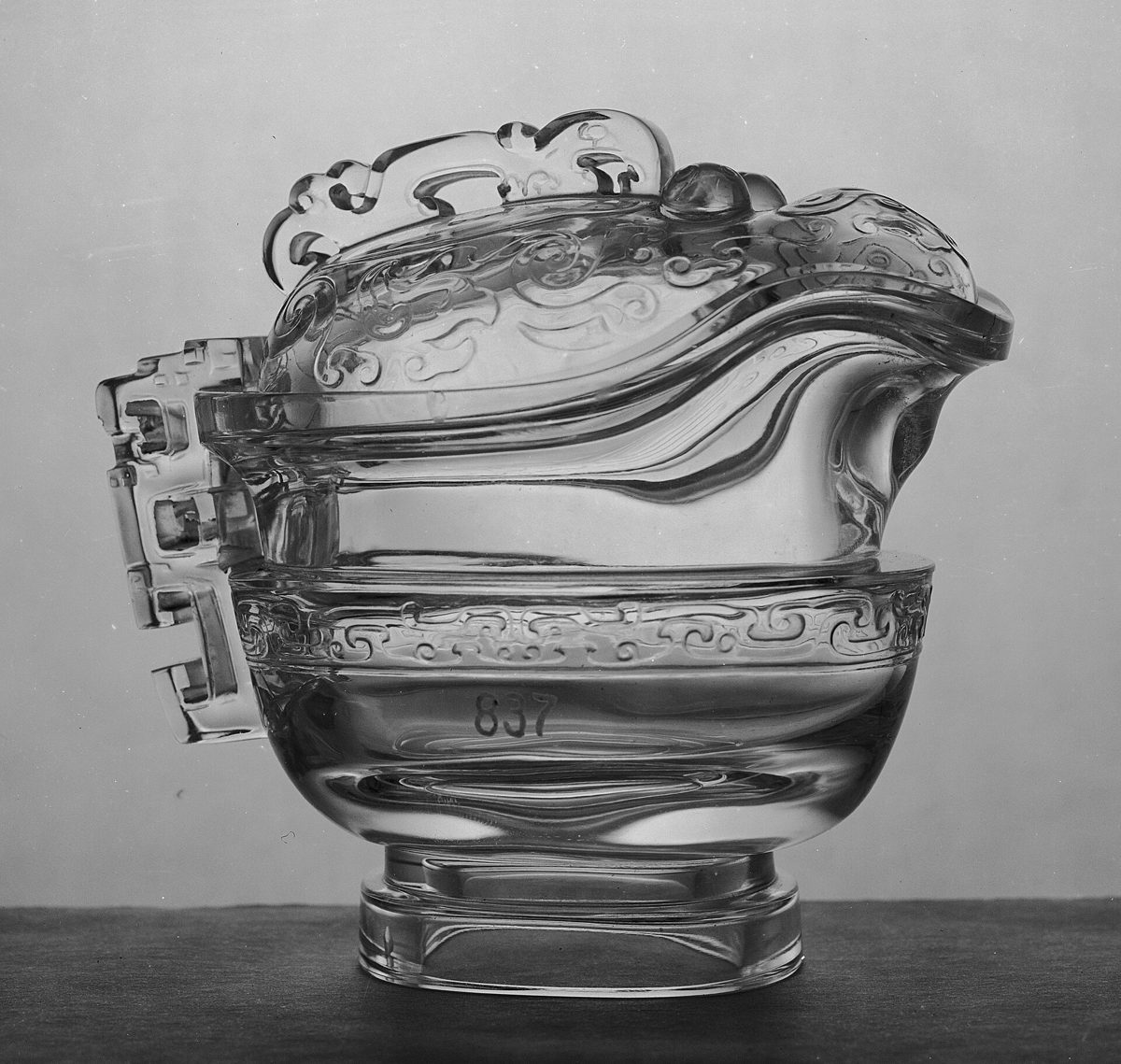
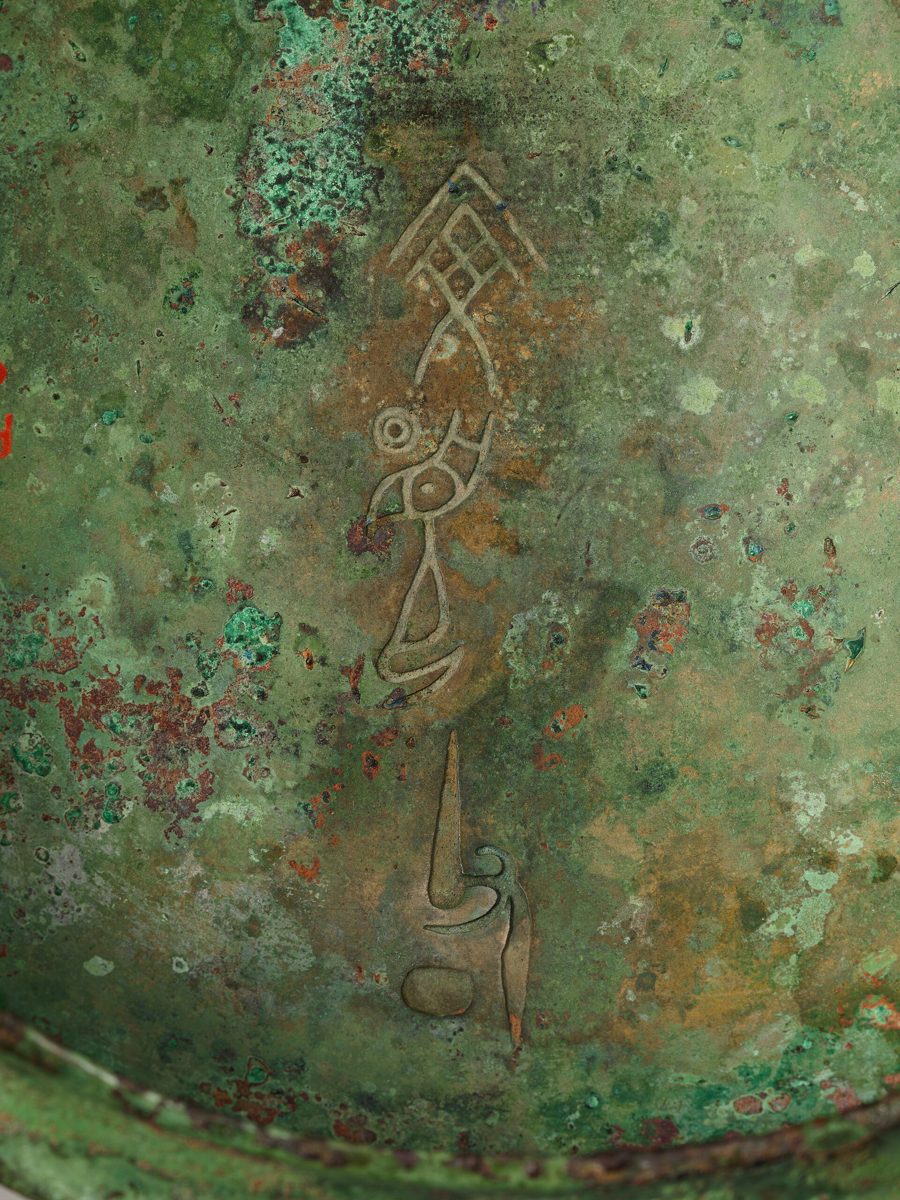
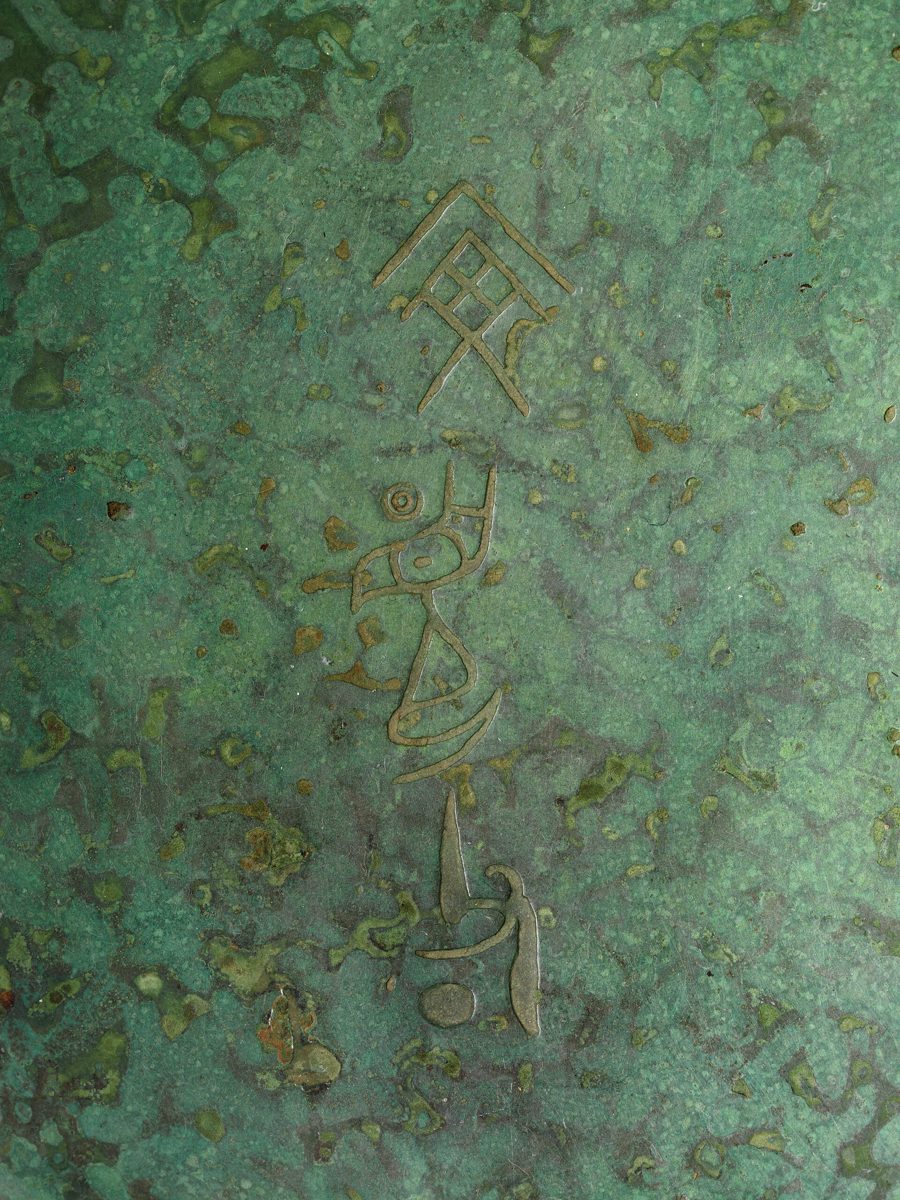
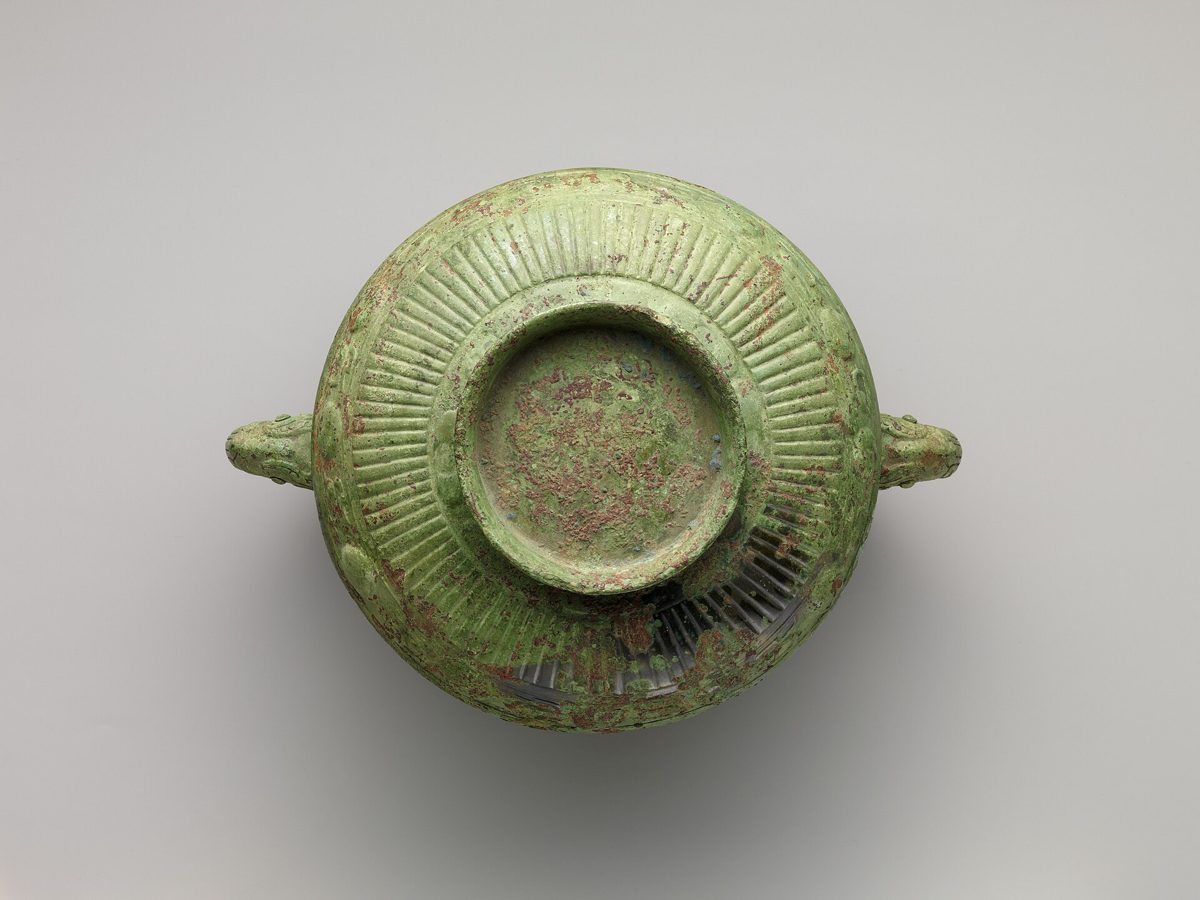
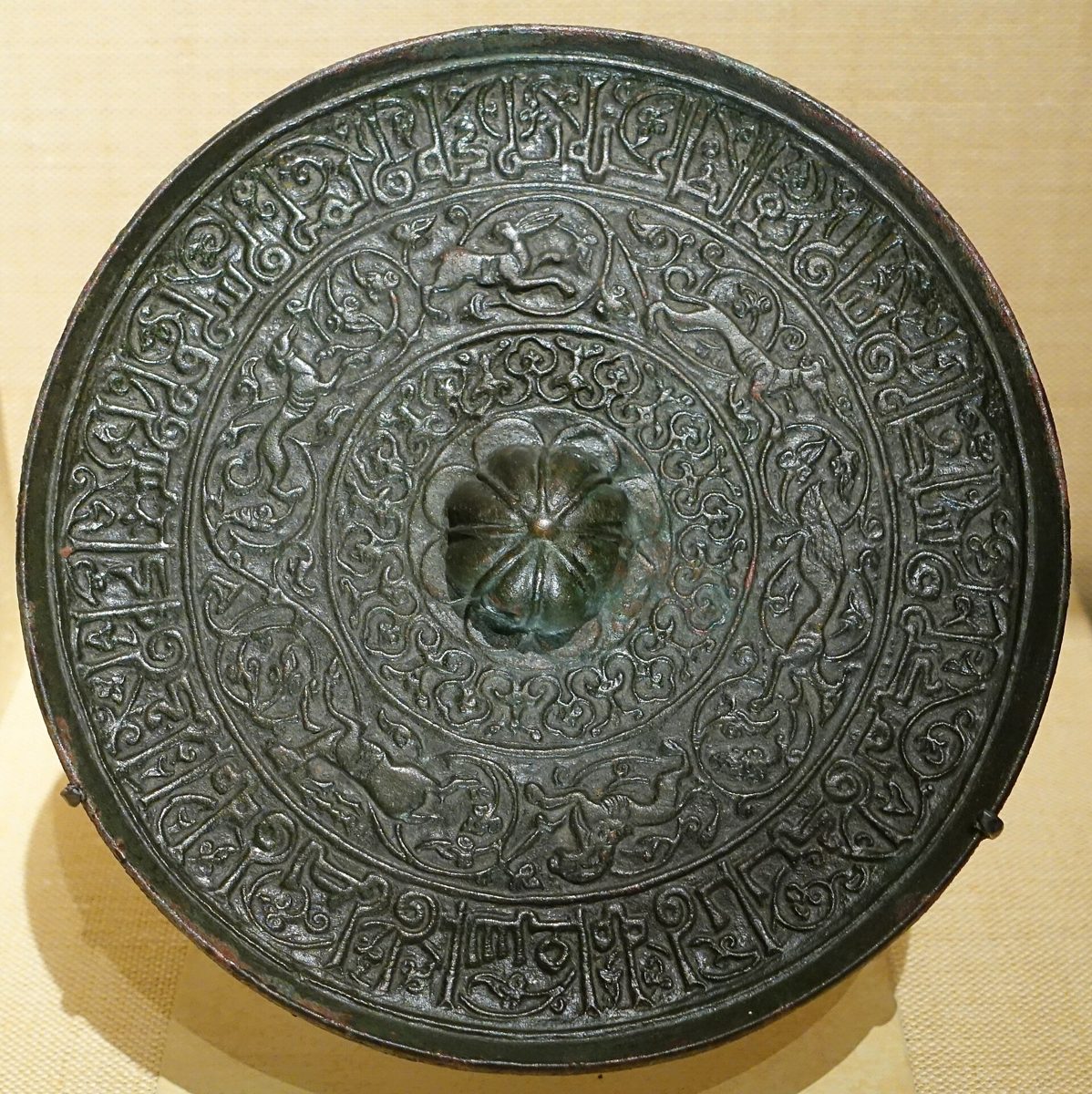
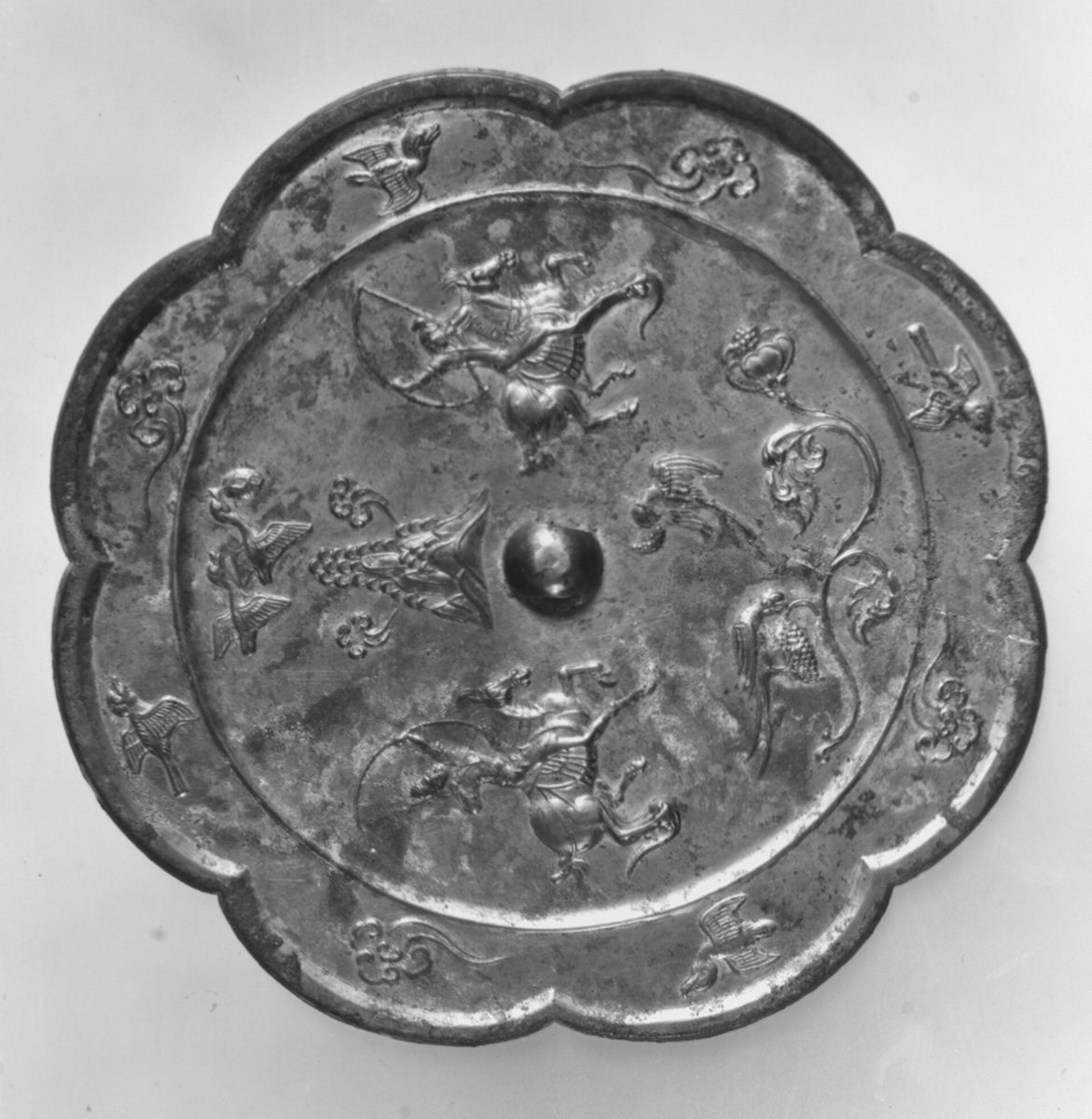
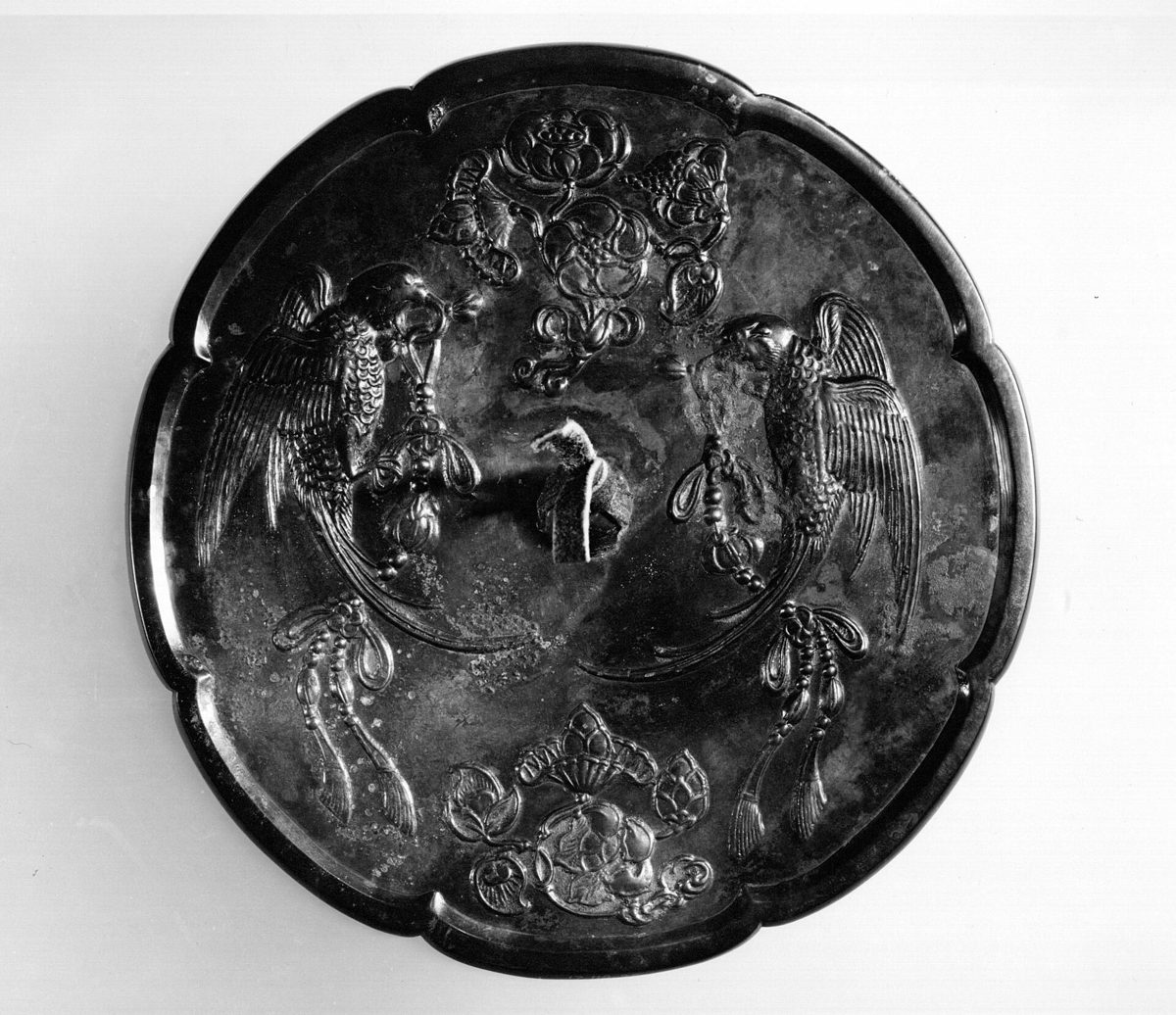
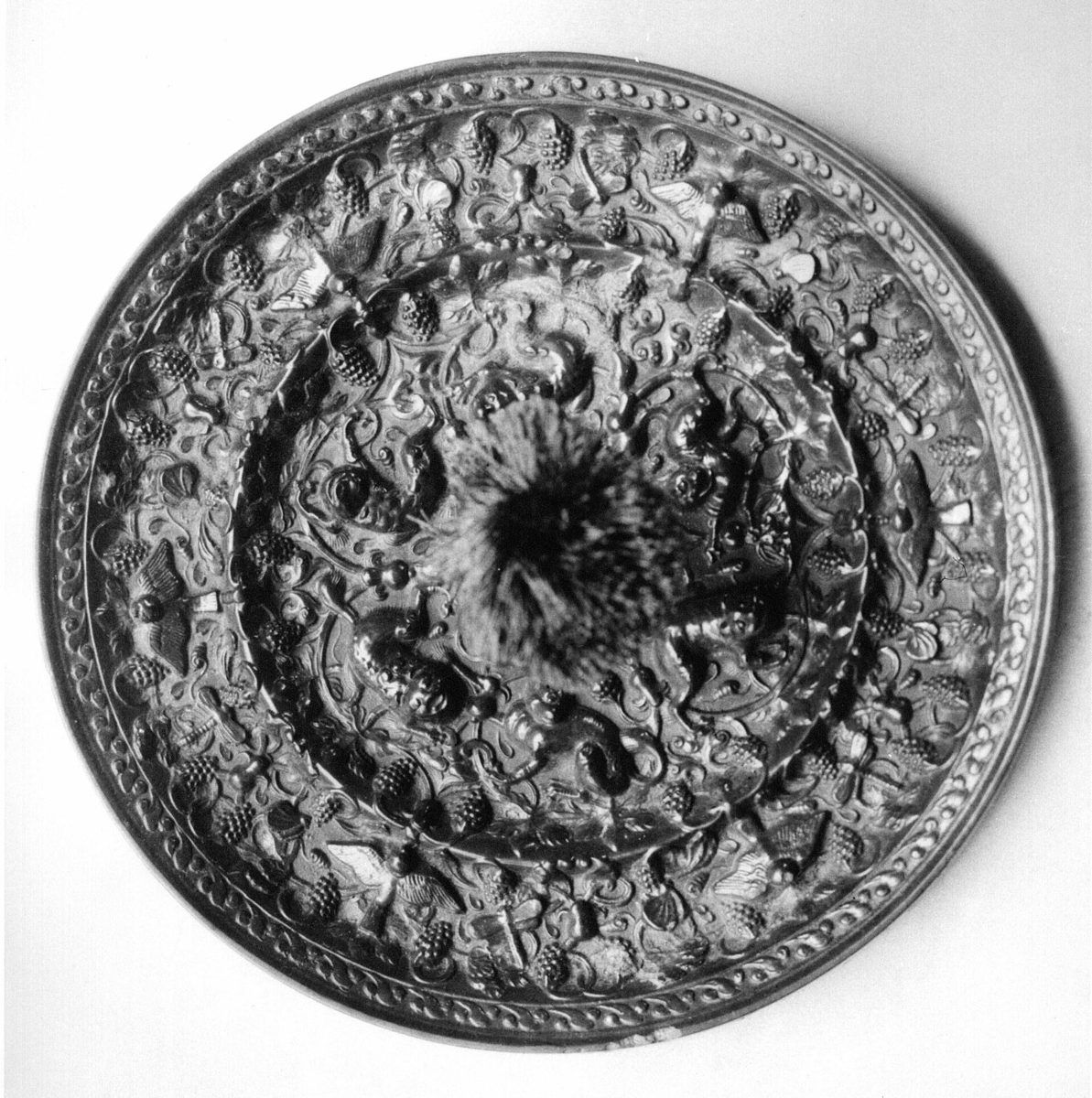
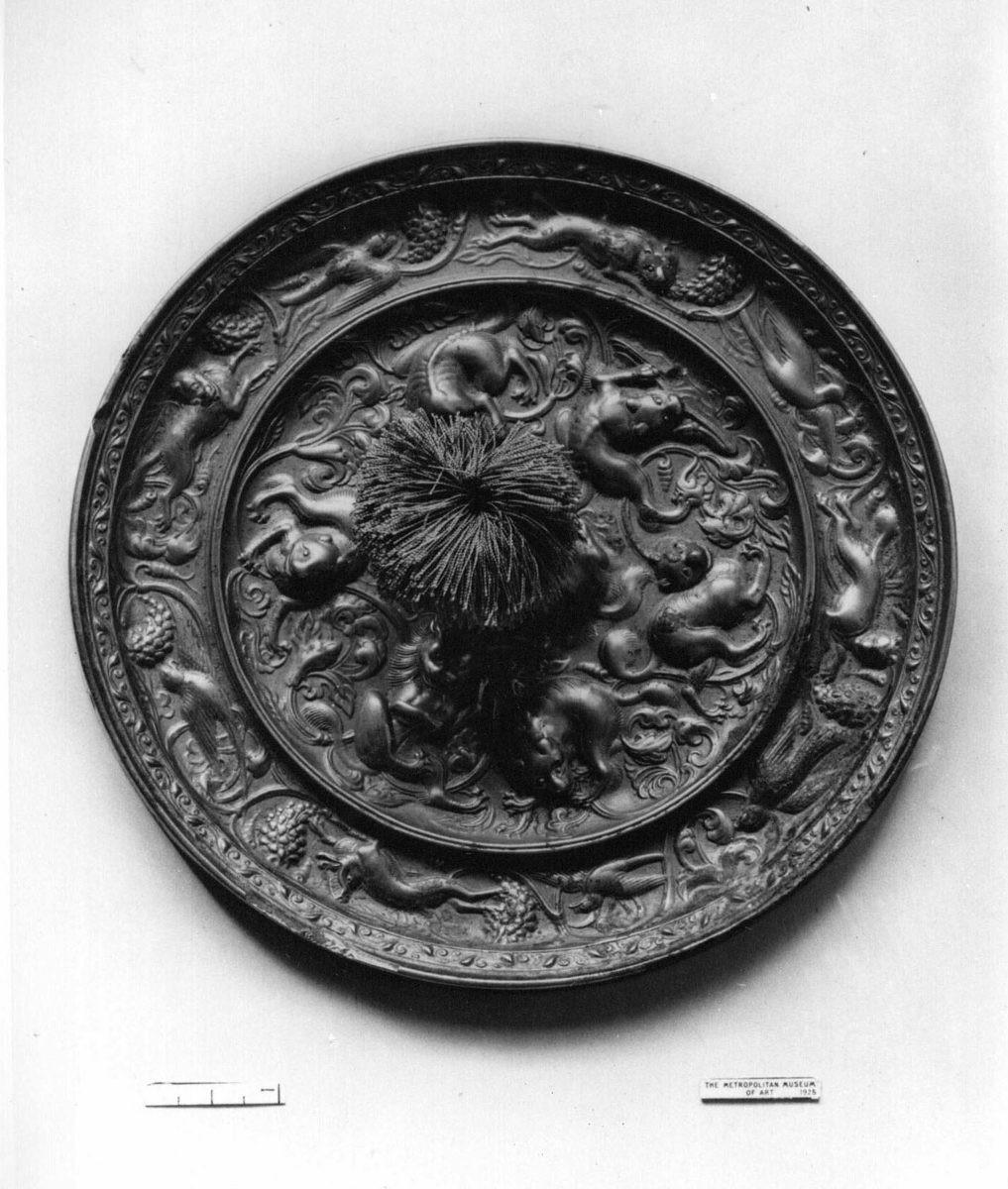
No photograph, including the labelled museum references above, can establish authenticity on its own — images show form, not age.
Historical form references
Public-domain photographs of historic Chinese bronzes of these forms, from the Metropolitan Museum of Art open-access collection (via Wikimedia Commons). These are museum antiquities shown only as form & typology references — not photographs of any item we sell; our pieces are modern reproductions made to order.
Sources & further reading
External links open in a new tab and are cited for verification only; they are not endorsements or shopping recommendations.
- Provenance — Wikipedia
- Replica — Wikipedia
- Antiquarianism / collecting — Wikipedia
- Chinese ritual bronzes — Wikipedia
- Bronze disease — Wikipedia
Related
Reading patina (and fakes) A visual guide to vessel shapes How bronze is cast & finished Materials & sizes policy Browse the reference catalog