Bronze AtelierCHINESE ANTIQUE-STYLE BRONZE
Home / Guides / Chinese Bronze Patina: Natural Aging, Surface Finishes and Fakes

Chinese Bronze Patina: Natural Aging, Surface Finishes and Fakes

Reference guide · Bronze Atelier · Published 2026-10-26

“Patina” is the catch-all word buyers use for the coloured skin on old bronze. It is genuinely informative — and genuinely one of the most faked features in the trade. Knowing what a stable burial patina actually is, and how chemical shortcuts imitate it, protects you from paying an antique price for an applied finish.

What forms over centuries

Buried copper-tin alloy reacts with soil chemistry for a very long time and grows mineral corrosion layers that are part of the metal, not sitting on it:

Because these grow into the surface over centuries, they are hard, mineral and continuous with the metal — the opposite of a thin painted skin.

“Bronze disease” is not patina

A powdery, pale-green, spreading bloom (copper chlorides activated by humidity) is bronze disease — an ongoing corrosion conservators treat as damage, not a handsome age-layer. On a genuine object it is a condition problem; a seller waving it off as “natural patina” is misleading you about the metal’s stability.

How artificial patinas fake it

Tells that a colour is applied rather than grown: uniform thinness with no mineral depth, colour that wipes or scratches off, a smell of lacquer, pigment pooling only where you would brush it, and crust that sits on a shiny metal underneath.

An applied patina is a finish, not a lie — unless it is sold as age. Deliberately patinating a modern casting is a legitimate decorative technique and we describe it plainly as applied finish. It becomes a misrepresentation the moment “enturies-old patina” is implied. We never claim a natural burial age for a modern surface, and no photograph here is offered as proof of authenticity — the images above are labelled museum references for the forms only.

Historical form references

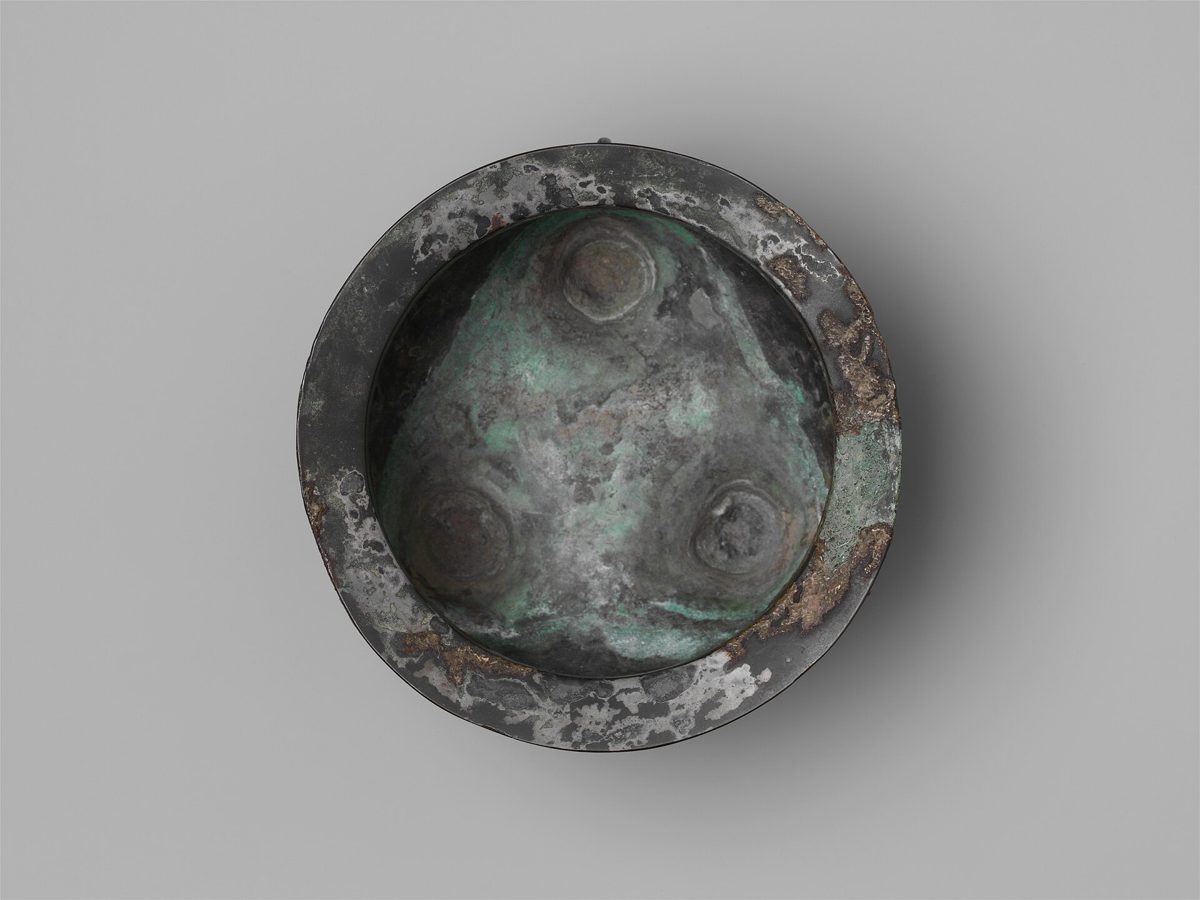
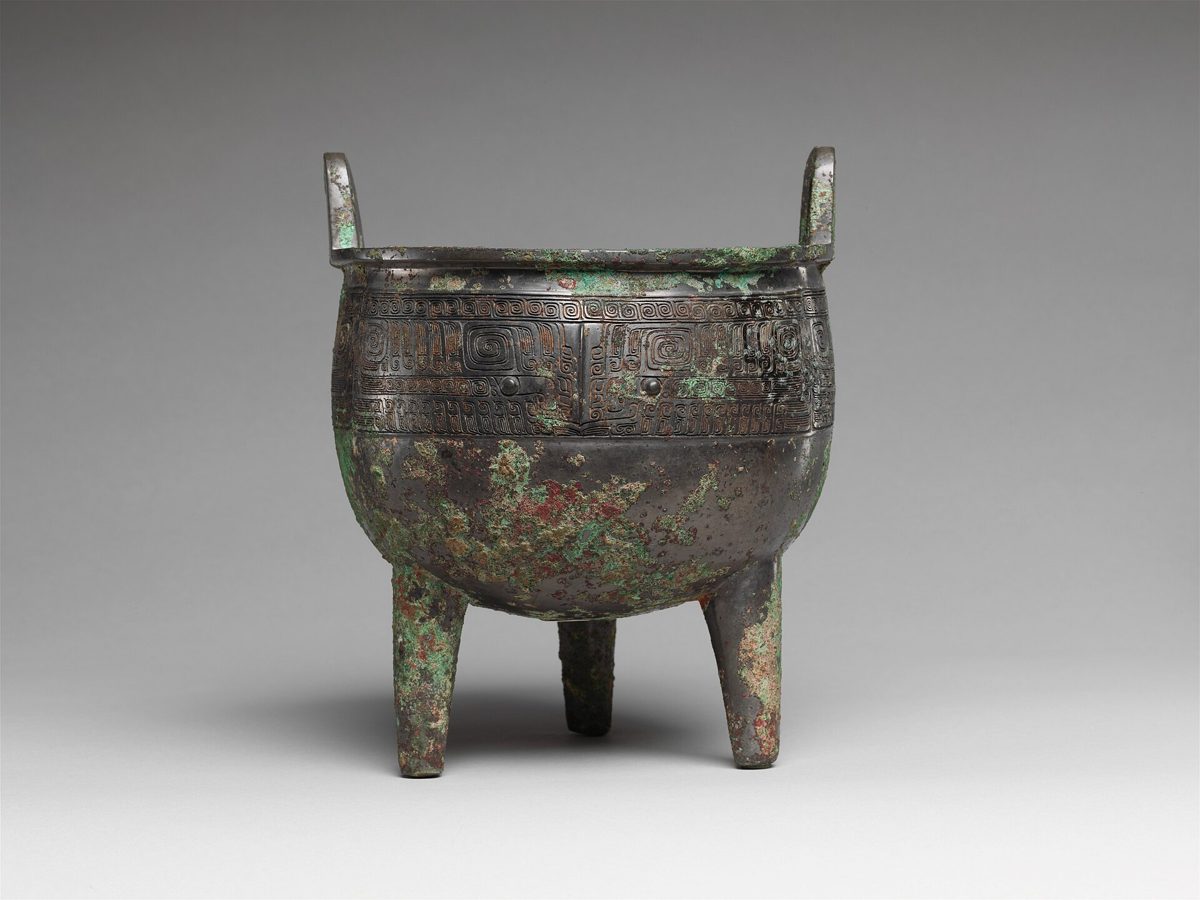
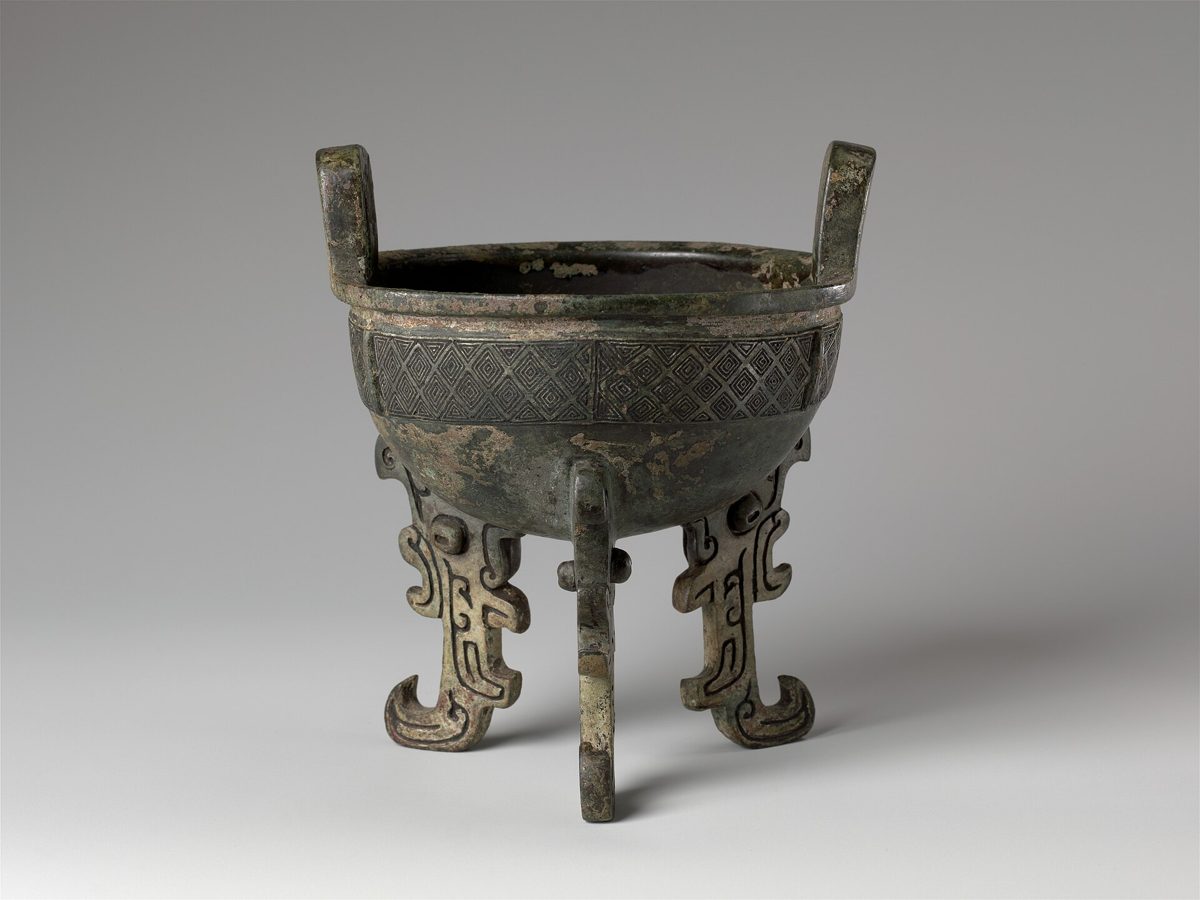
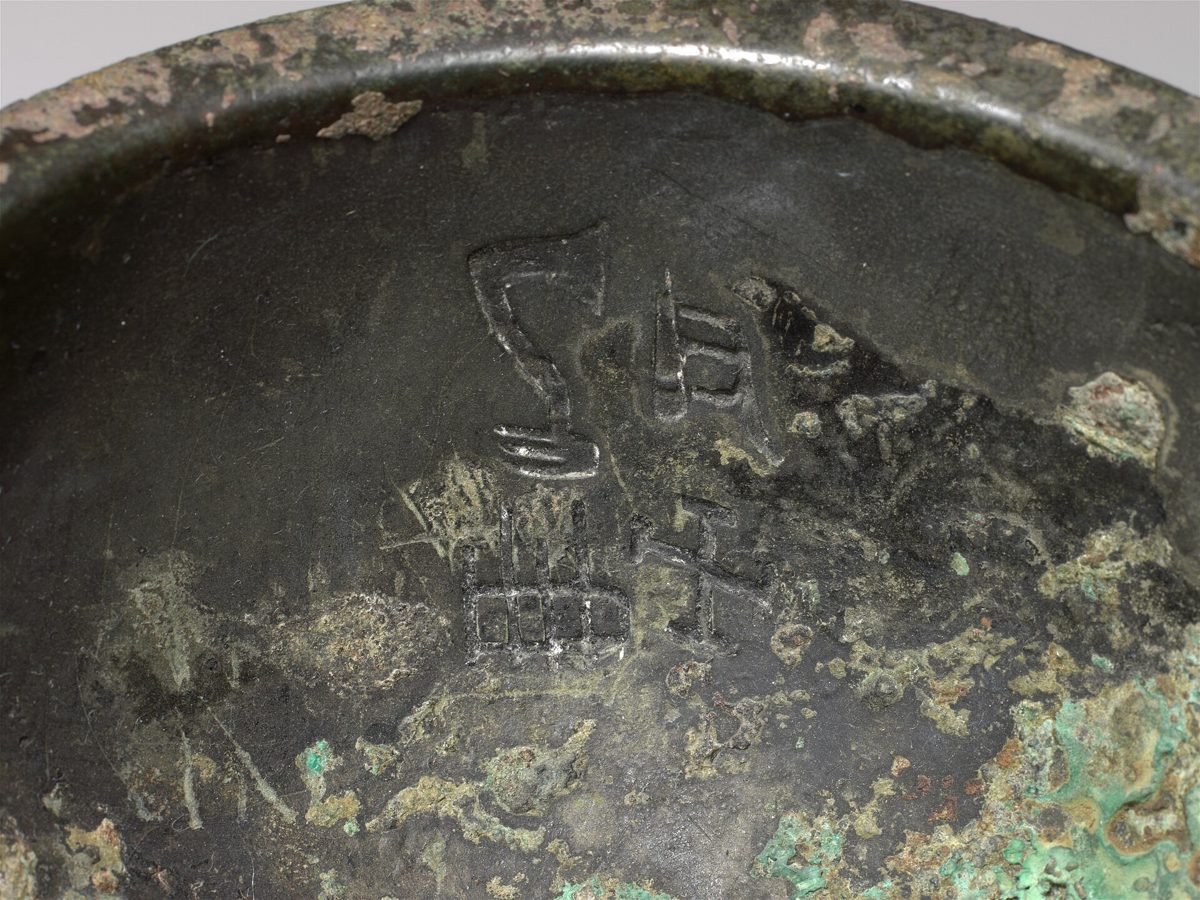
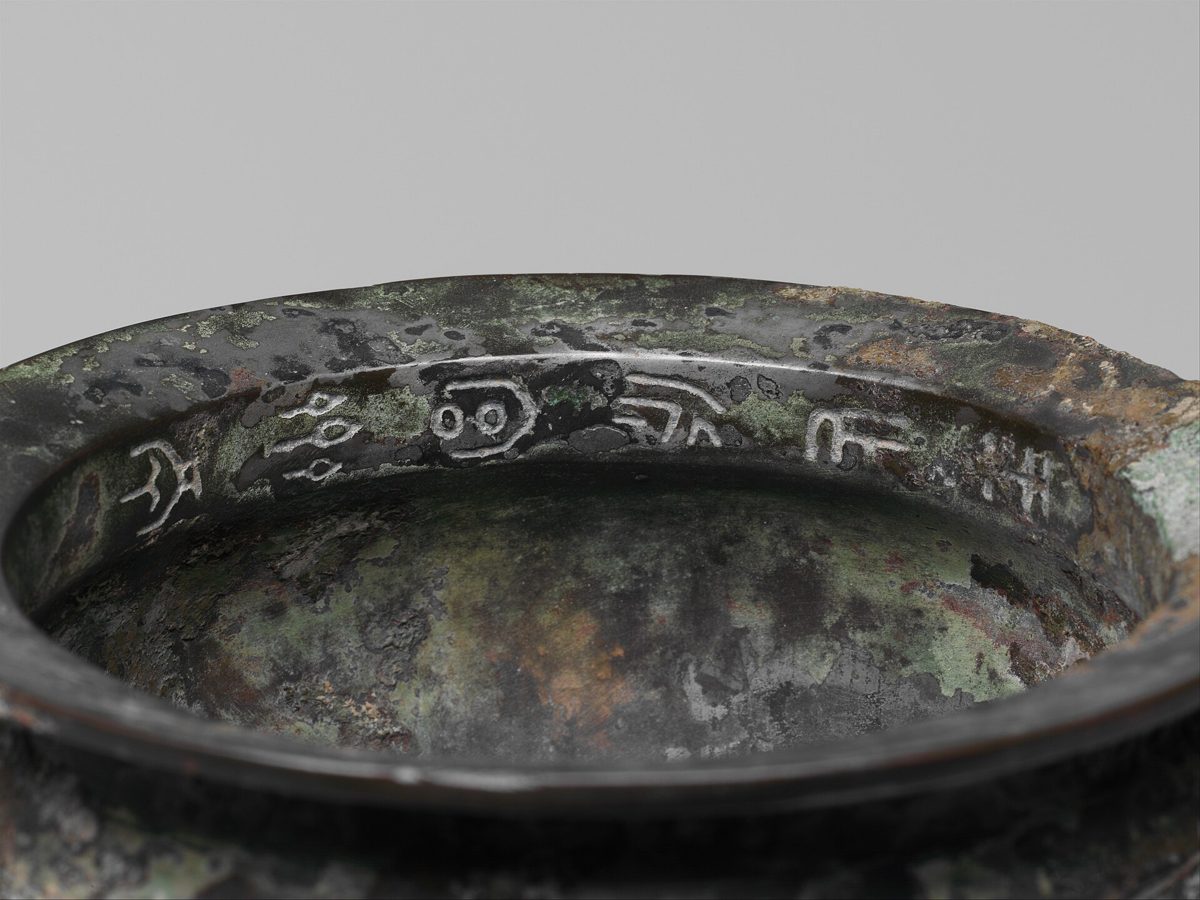
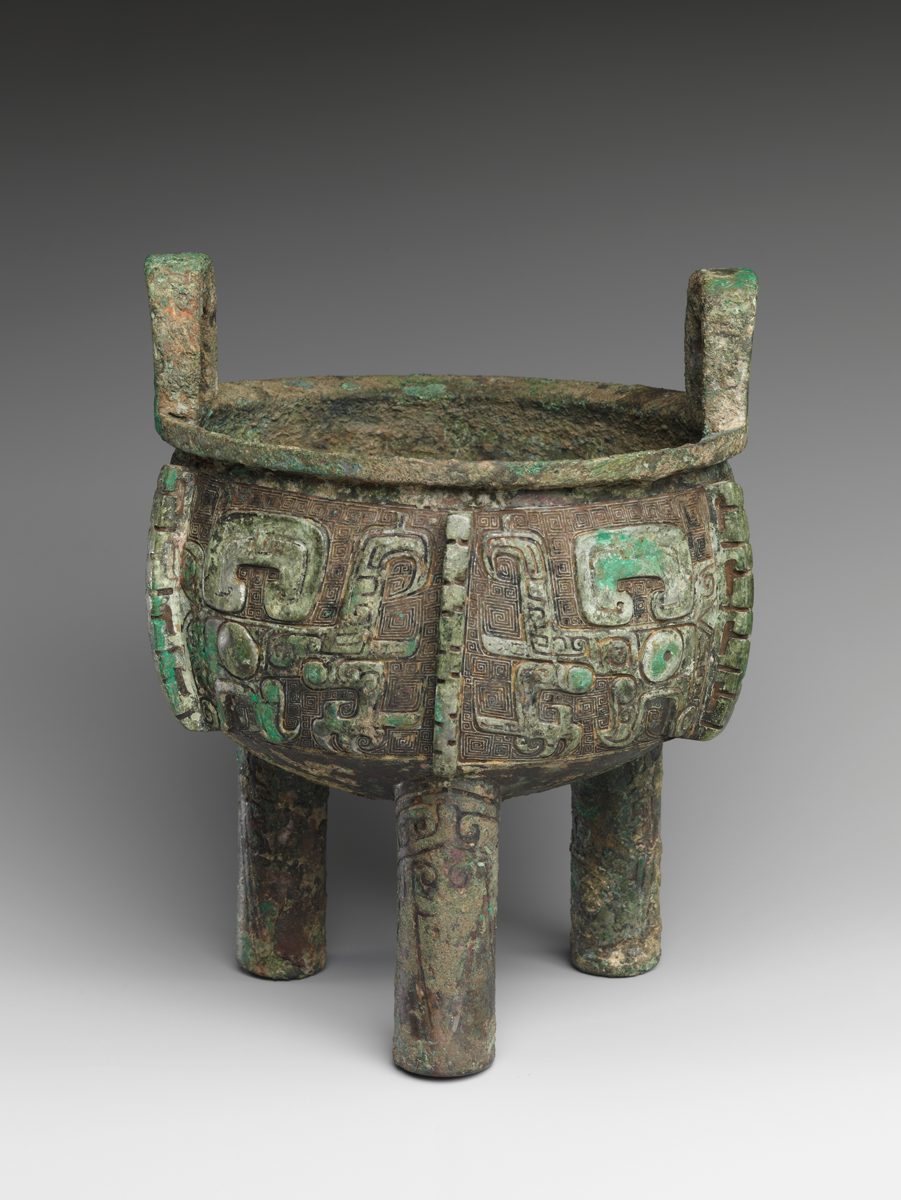
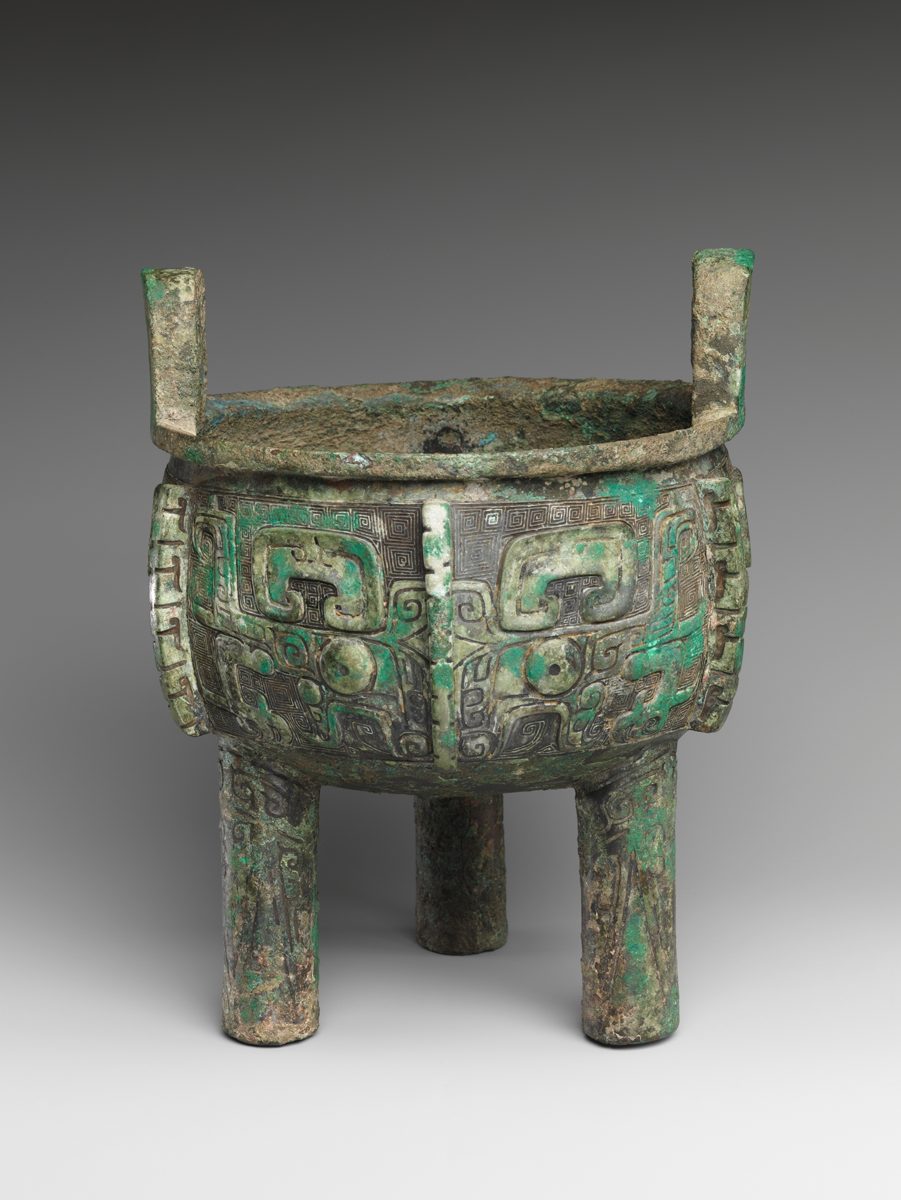
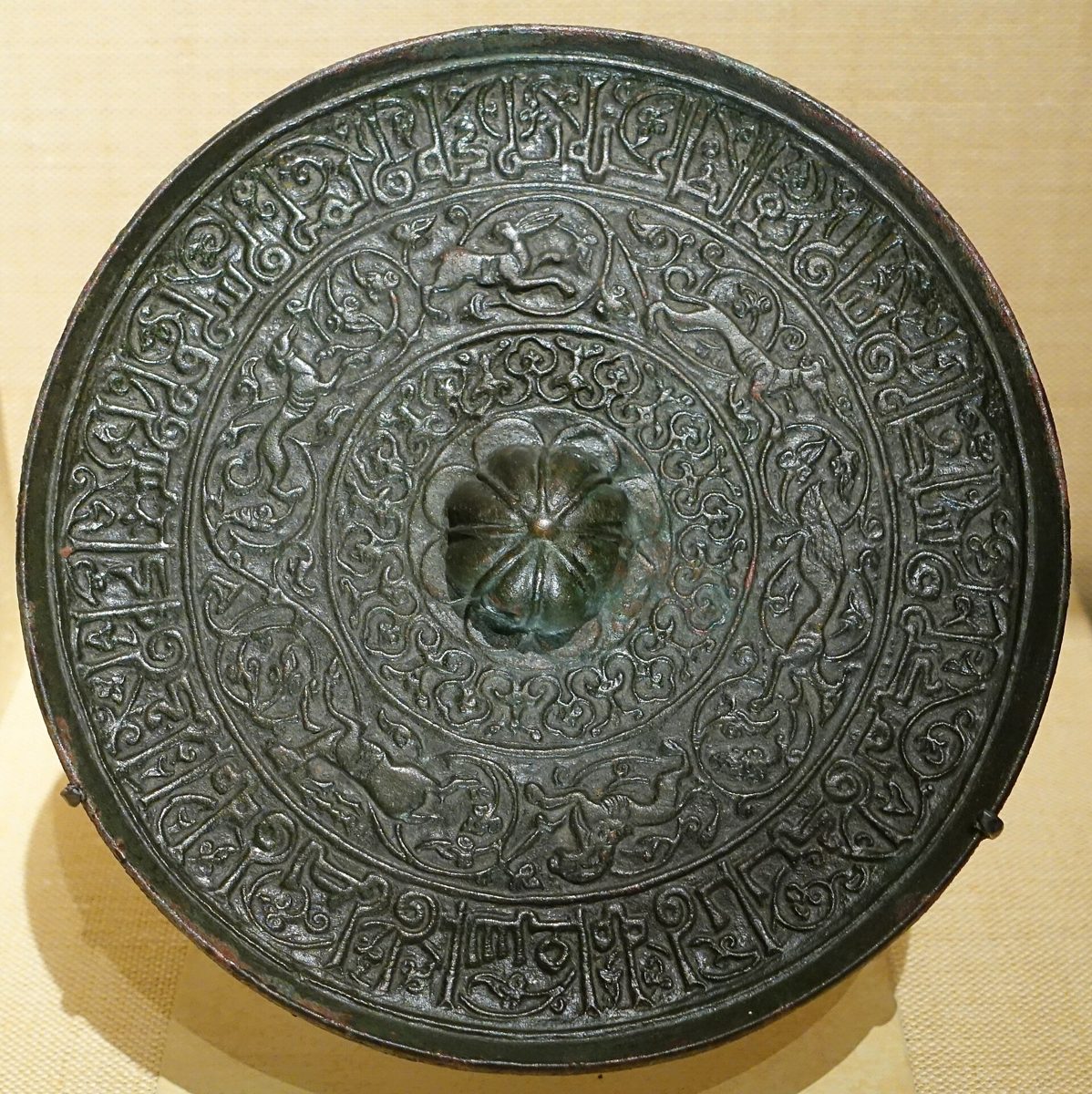
Public-domain photographs of historic Chinese bronzes of these forms, from the Metropolitan Museum of Art open-access collection (via Wikimedia Commons). These are museum antiquities shown only as form & typology references — not photographs of any item we sell; our pieces are modern reproductions made to order.
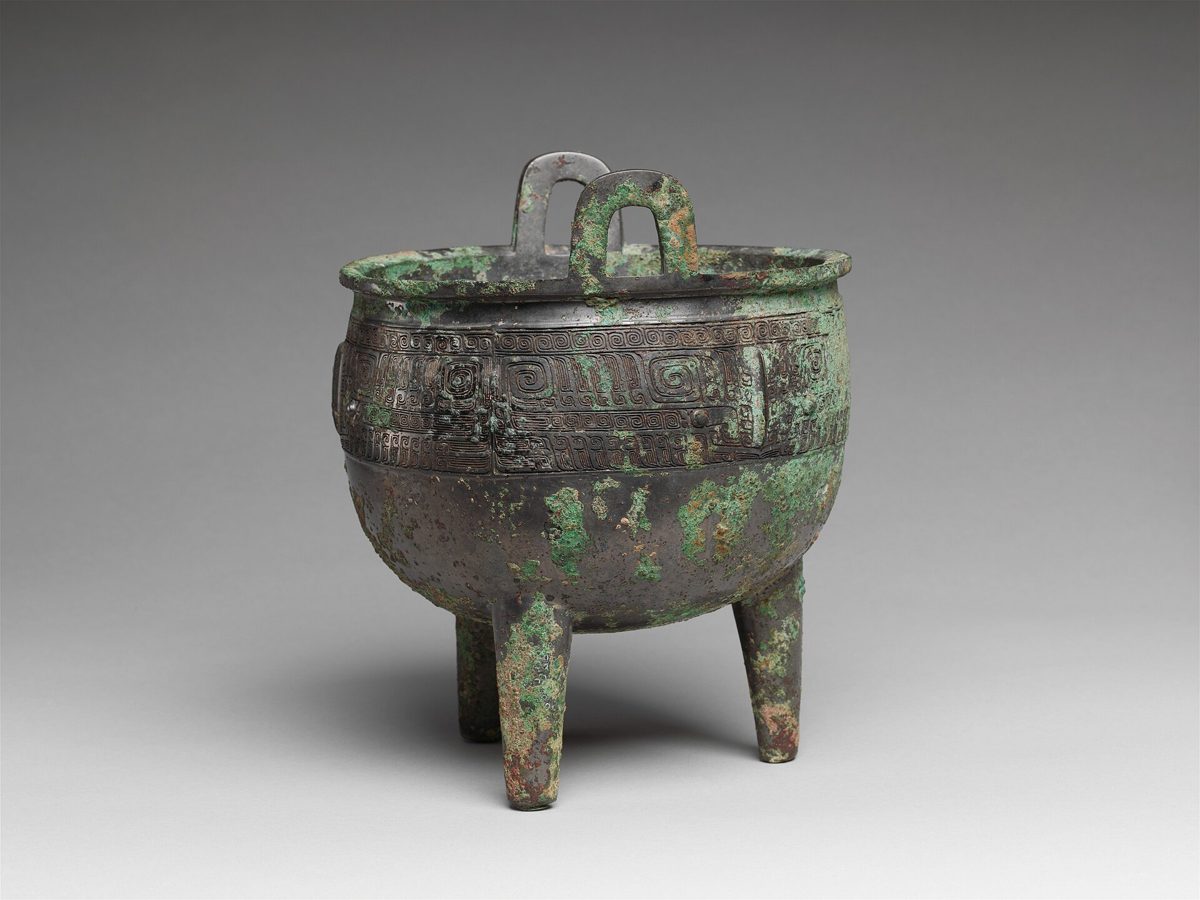
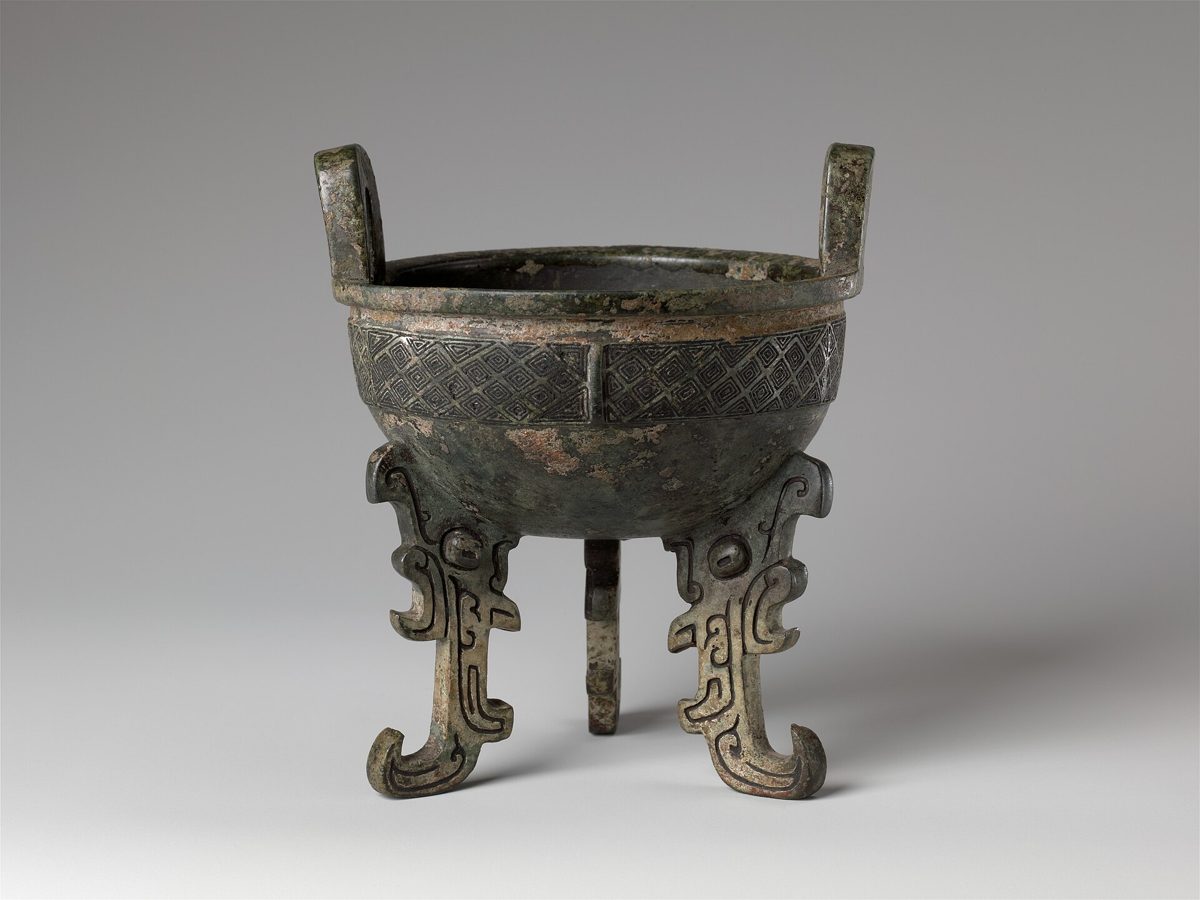
Chinese ding tripod cauldron, Metropolitan Museum of Art collection (historical reference)
商 青銅鼎-Tripod Cauldron (Ding) MET DP140755 — CC0, public domain. Historical collection reference; not a product photograph.
Chinese ding tripod cauldron, Metropolitan Museum of Art collection (historical reference)
商 青銅鼎-Tripod Cauldron (Ding) MET DP140775 — CC0, public domain. Historical collection reference; not a product photograph.
Chinese ding tripod cauldron, Metropolitan Museum of Art collection (historical reference)
西周 青銅鼎-Tripod Cauldron (Ding) MET DP140722 — CC0, public domain. Historical collection reference; not a product photograph.
Chinese ding tripod cauldron, Metropolitan Museum of Art collection (historical reference)
商 青銅鼎-Tripod Cauldron (Ding) MET DP140744 — CC0, public domain. Historical collection reference; not a product photograph.
Chinese ding tripod cauldron, Metropolitan Museum of Art collection (historical reference)
商 青銅鼎-Tripod Cauldron (Ding) MET DP140776 — CC0, public domain. Historical collection reference; not a product photograph.
Chinese ding tripod cauldron, Metropolitan Museum of Art collection (historical reference)
商 青銅鼎-Tripod Cauldron (Ding) MET DP140777 — CC0, public domain. Historical collection reference; not a product photograph.
Chinese ding tripod cauldron, Metropolitan Museum of Art collection (historical reference)
西周 青銅鼎-Tripod Cauldron (Ding) MET DP140723 — CC0, public domain. Historical collection reference; not a product photograph.
Chinese ding tripod cauldron, Metropolitan Museum of Art collection (historical reference)
商青銅鼎-Ritual Tripod Cauldron (Ding) MET DP164966 — CC0, public domain. Historical collection reference; not a product photograph.
Chinese ding tripod cauldron, Metropolitan Museum of Art collection (historical reference)
商青銅鼎-Ritual Tripod Cauldron (Ding) MET DP164965 — CC0, public domain. Historical collection reference; not a product photograph.
Chinese bronze mirror, Metropolitan Museum of Art collection (historical reference)
Mirror inspired by Chinese models, Iran, Seljuq period, 1100s AD, bronze, 42.136 - Metropolitan Museum of Art - New York City - DSC07202 — Public domain, public domain. Historical collection reference; not a product photograph.
Chinese bronze mirror, Metropolitan Museum of Art collection (historical reference)
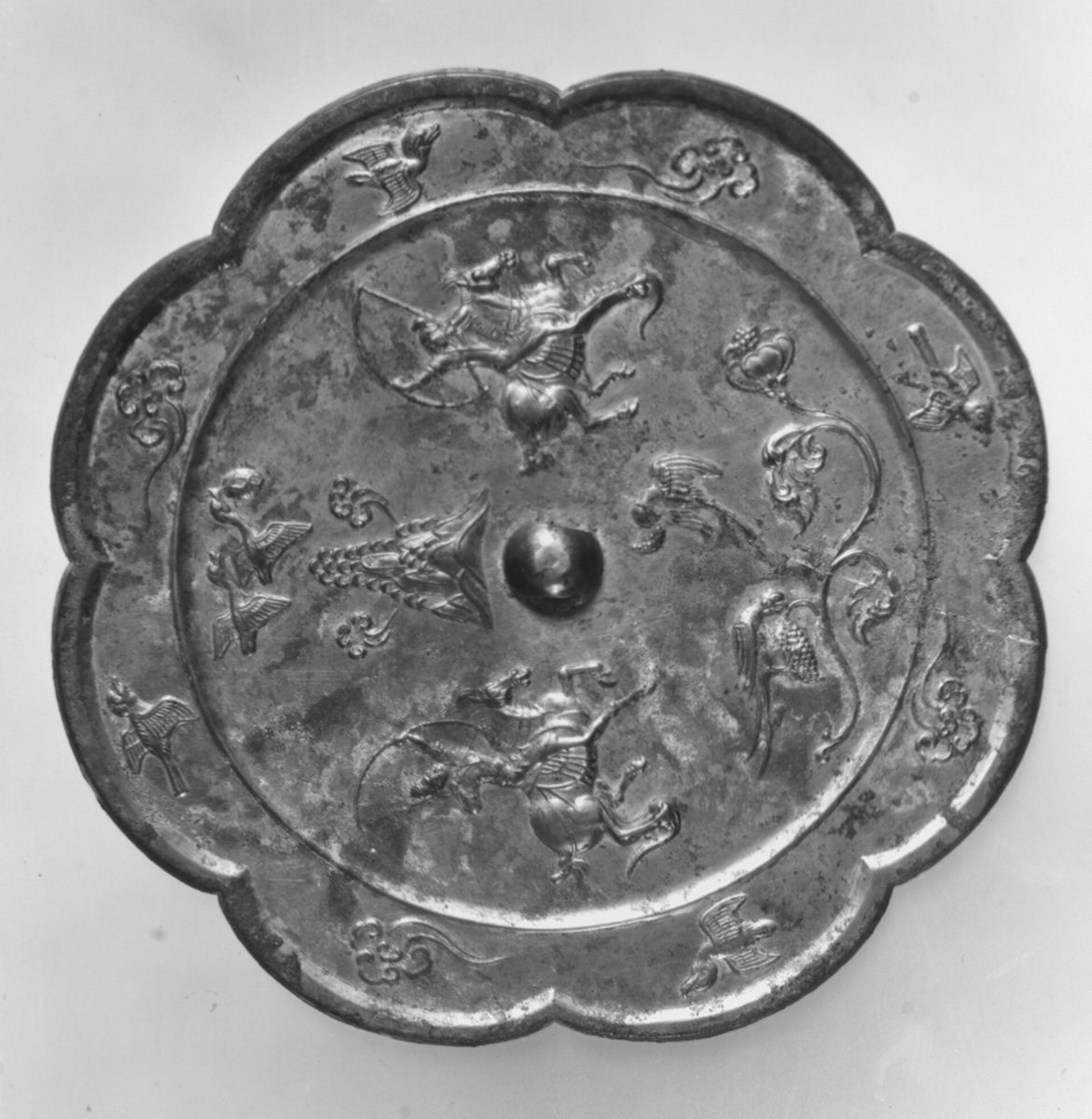
唐 狩獵紋銅鏡-Mirror with Archers MET 59132 — CC0, public domain. Historical collection reference; not a product photograph.
Chinese bronze mirror, Metropolitan Museum of Art collection (historical reference)
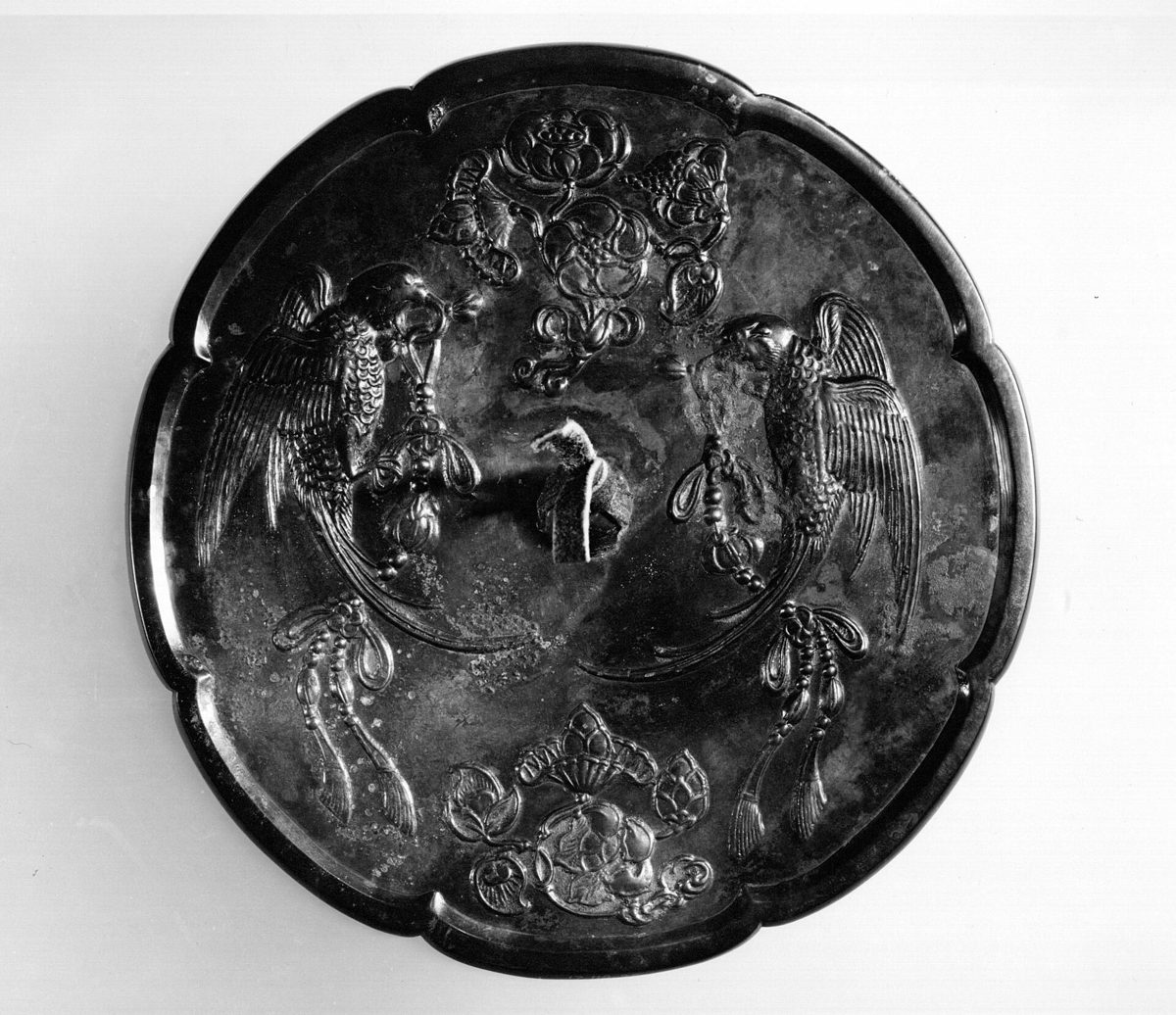
唐 鸚鵡紋銅鏡-Mirror with Parrots MET 17 118 96 37298 — CC0, public domain. Historical collection reference; not a product photograph.
Chinese bronze mirror, Metropolitan Museum of Art collection (historical reference)
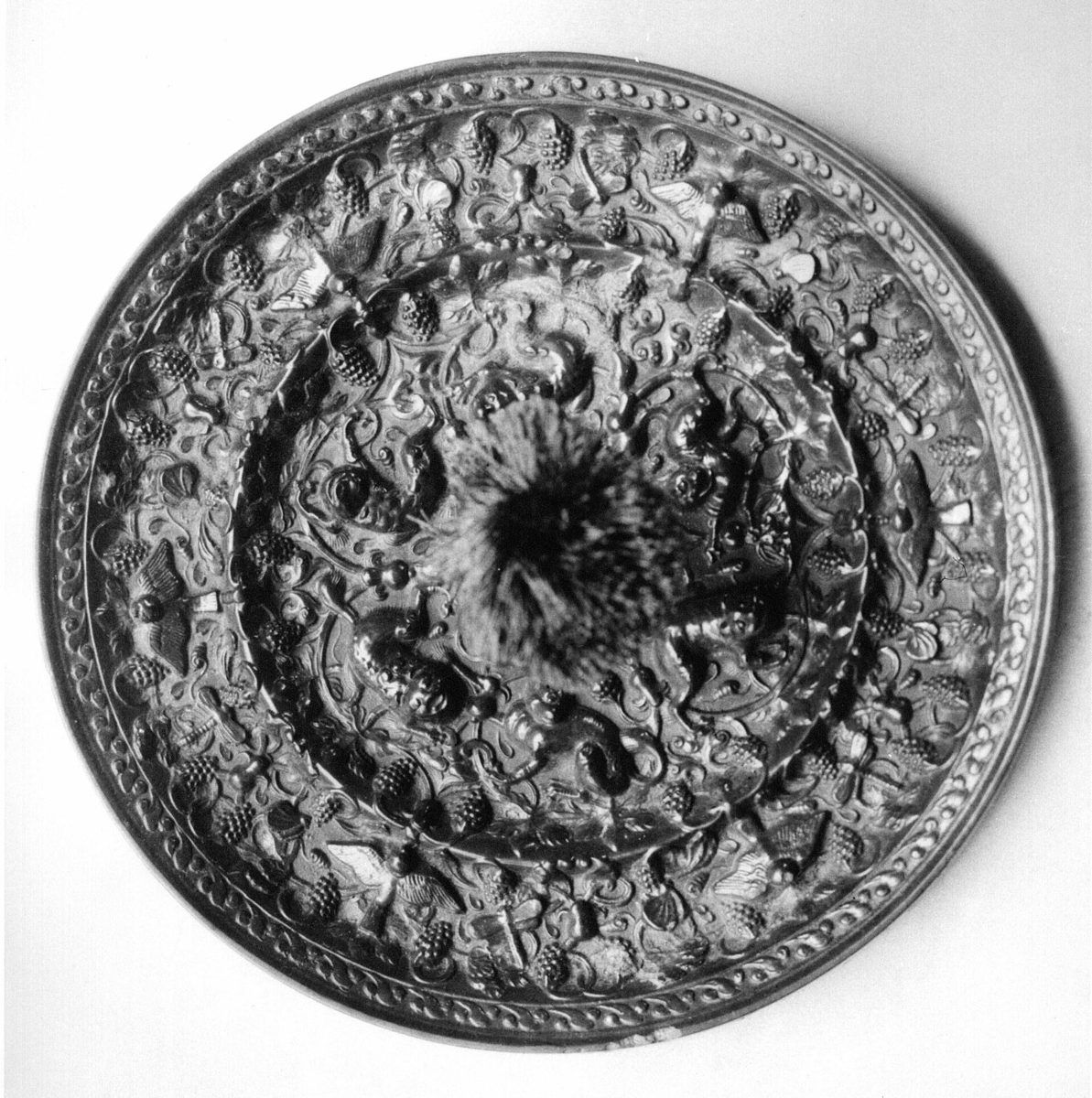
唐 海獸葡萄紋銅鏡-Mirror with Grapes and Fantastic Sea Animals MET 22 141 2 51230 — CC0, public domain. Historical collection reference; not a product photograph.
Chinese bronze mirror, Metropolitan Museum of Art collection (historical reference)
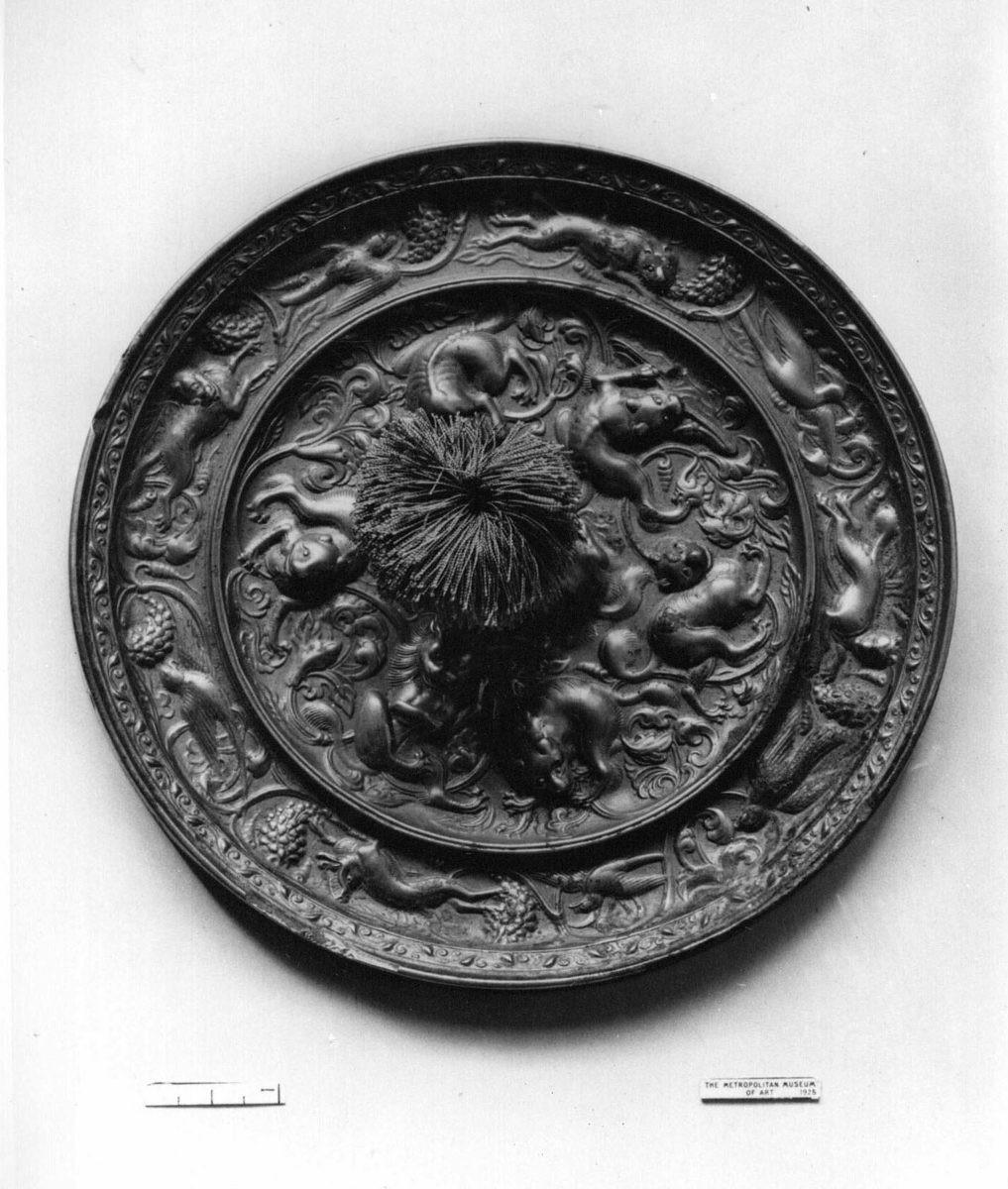
唐 海獸葡萄紋銅鏡-Mirror with Grapes and Fantastic Sea Animals MET 25 82 8 59801 — CC0, public domain. Historical collection reference; not a product photograph.

Sources & further reading

External links open in a new tab and are cited for verification only; they are not endorsements or shopping recommendations.

Related

How bronze is cast & finished Bronze vs. brass vs. copper How to identify antique-style bronze Materials & sizes policy