How Chinese Bronze Vessels Are Cast and Finished
Reference guide · Bronze Atelier · Published 2026-10-25
The look of a Chinese bronze is decided twice: once in the mould, and again by hand after the metal cools. Two casting traditions and a suite of finishing crafts explain the surfaces collectors prize — and clarify what a modern reproduction can honestly claim.
Piece-mould (section) casting — the Chinese signature method
Most ancient Chinese vessels were not made by lost-wax. They were cast by the piece-mould / section-mould process: a model is used to form outer mould pieces, a core creates the hollow interior, and the assembled mould is poured. The technique suits crisp relief decoration and was the workhorse of Shang and Zhou foundries. Its signature clue in finished pieces is the handling of mould seams and joins; it also produced the sharp, repeating surface patterns that lost-wax handles less cleanly.
Lost-wax (cedu) casting — for the three-dimensional
Lost-wax casting replaces the reusable mould with a throwaway wax pattern coated in mould material, then melted out so metal fills the exact void. It excels at fully sculptural, openworked forms — figurines, animals, elaborate boshanlu lids — that a sectional mould cannot release. Both methods coexisted in Chinese metalwork; complex objects sometimes combine them.
Finishing by hand
- Chasing & engraving — cold-work and cutting after the pour to sharpen detail and remove seams.
- Gold & silver inlay (错金银) — wire or leaf set into cut channels, hammered and rubbed flush; the hallmark of ornate Warring States and Tang pieces.
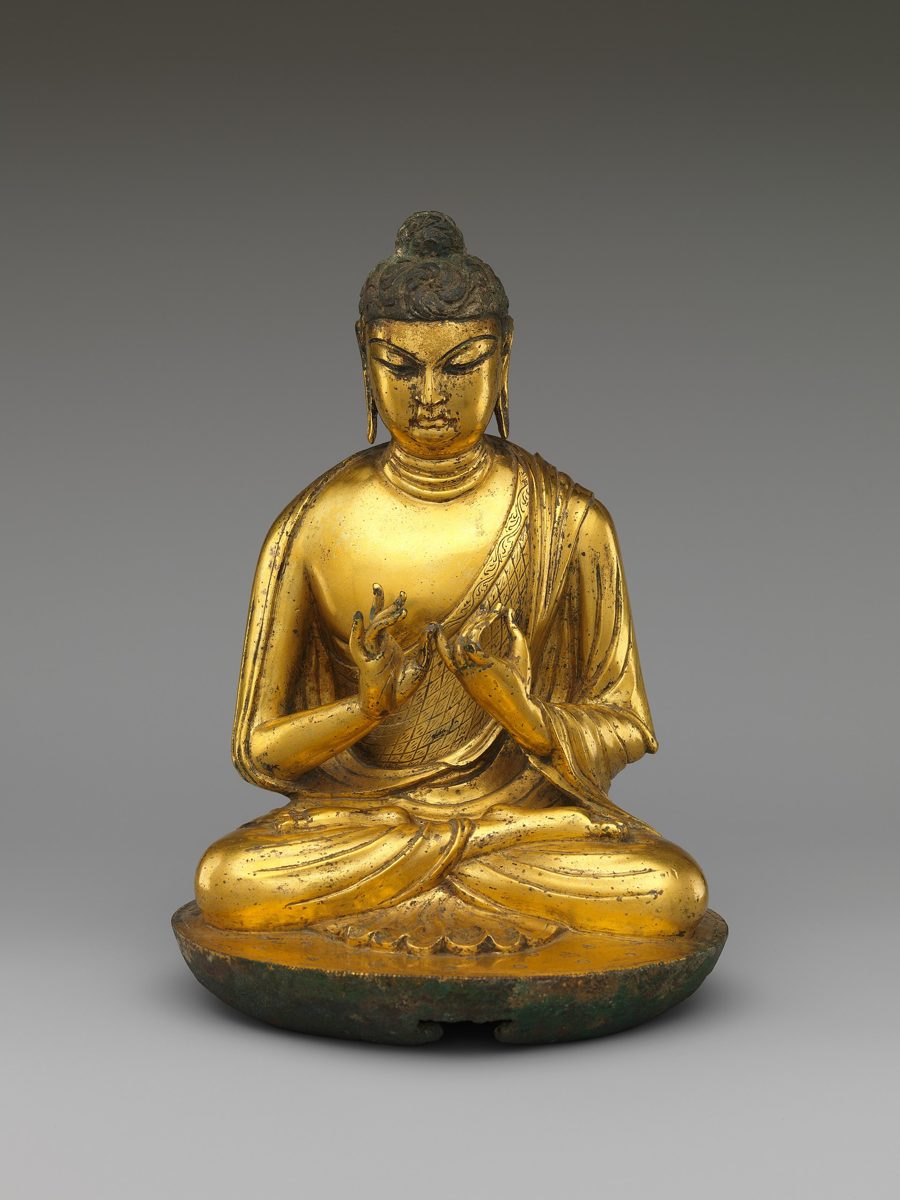
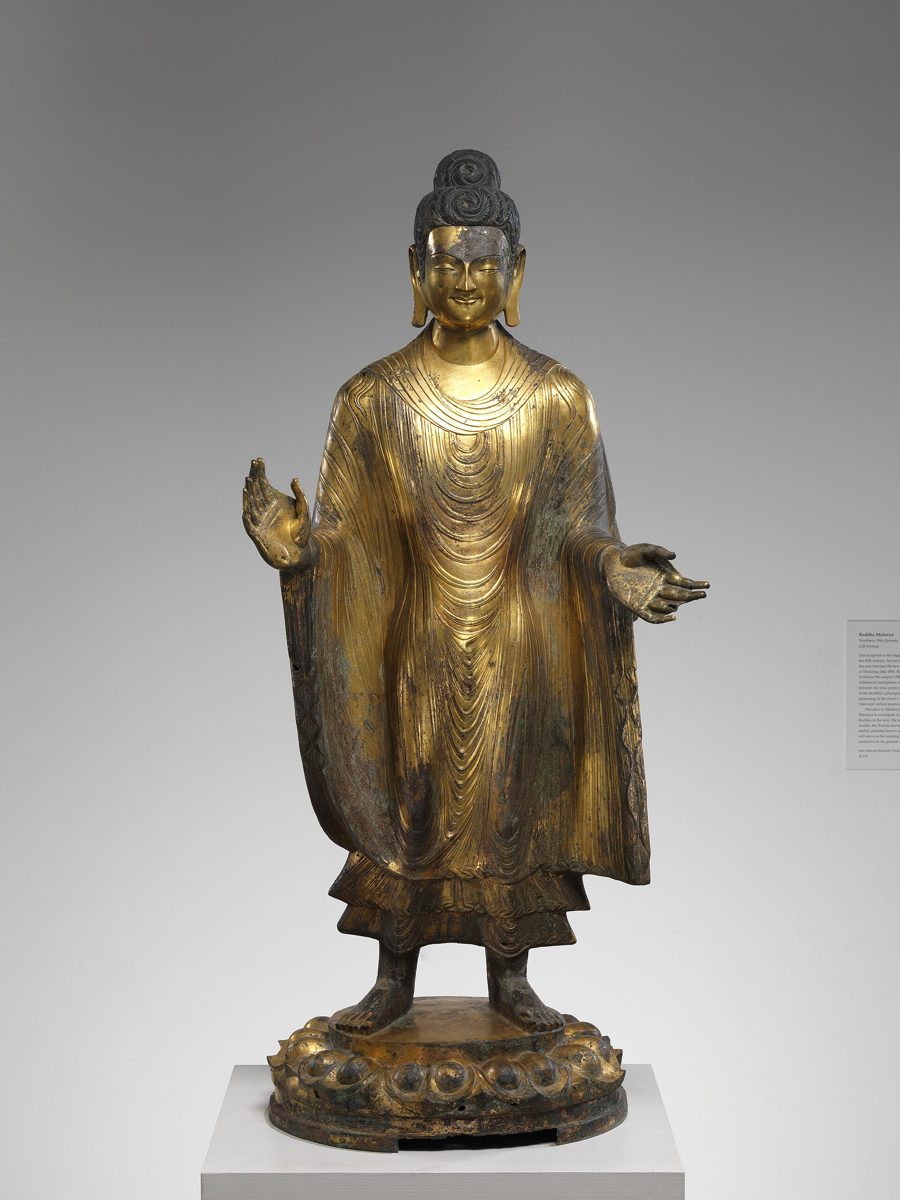
- Gilding (鎏金) — a mercury-gold coating later heated off to leave a bonded gold surface.
- Cinnabar inlay (珠砂) — vivid red mercuric-sulphide accent used alongside metal inlay.
Patina: real and applied
Buried bronzes develop stable corrosion — greens (malachite-like), blues, and the grey sheen called “black-liver” — over centuries; that is natural patina. A modern piece may carry an artificial patina: applied chemicals, heat or pigments to look aged. Applied colour is legitimate as a finish; it becomes a misrepresentation only when sold as the passage of time.
The Xuande association
Chinese incense burners are often sold under the “Xuande” name, after the Ming Xuande emperor (r. 1426–1435) associated with fine censers. Most “Xuande” pieces on the market are later or modern reproductions carrying the reign mark as a design tradition, not a genuine dating. Treat a Xuande mark as a style claim to be verified, not proof of origin.
Historical form references
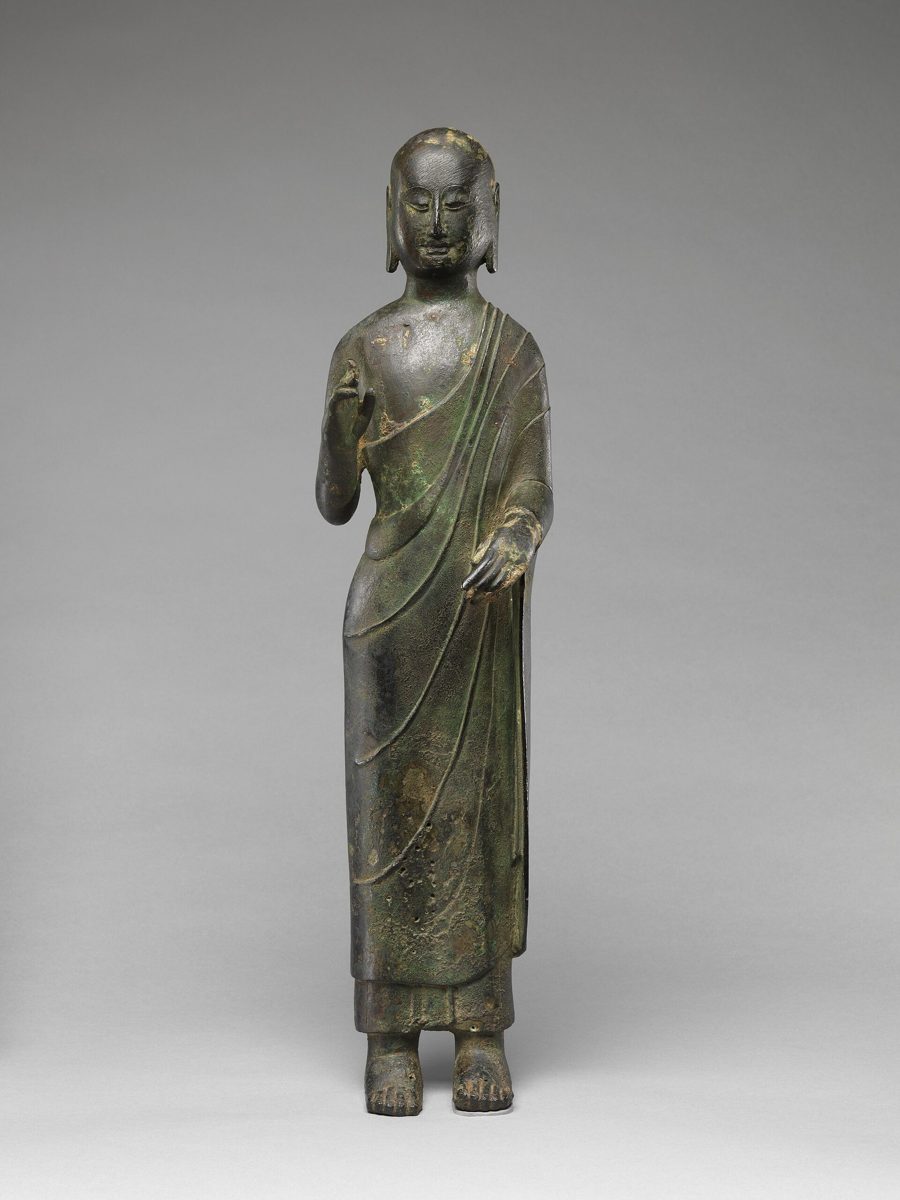
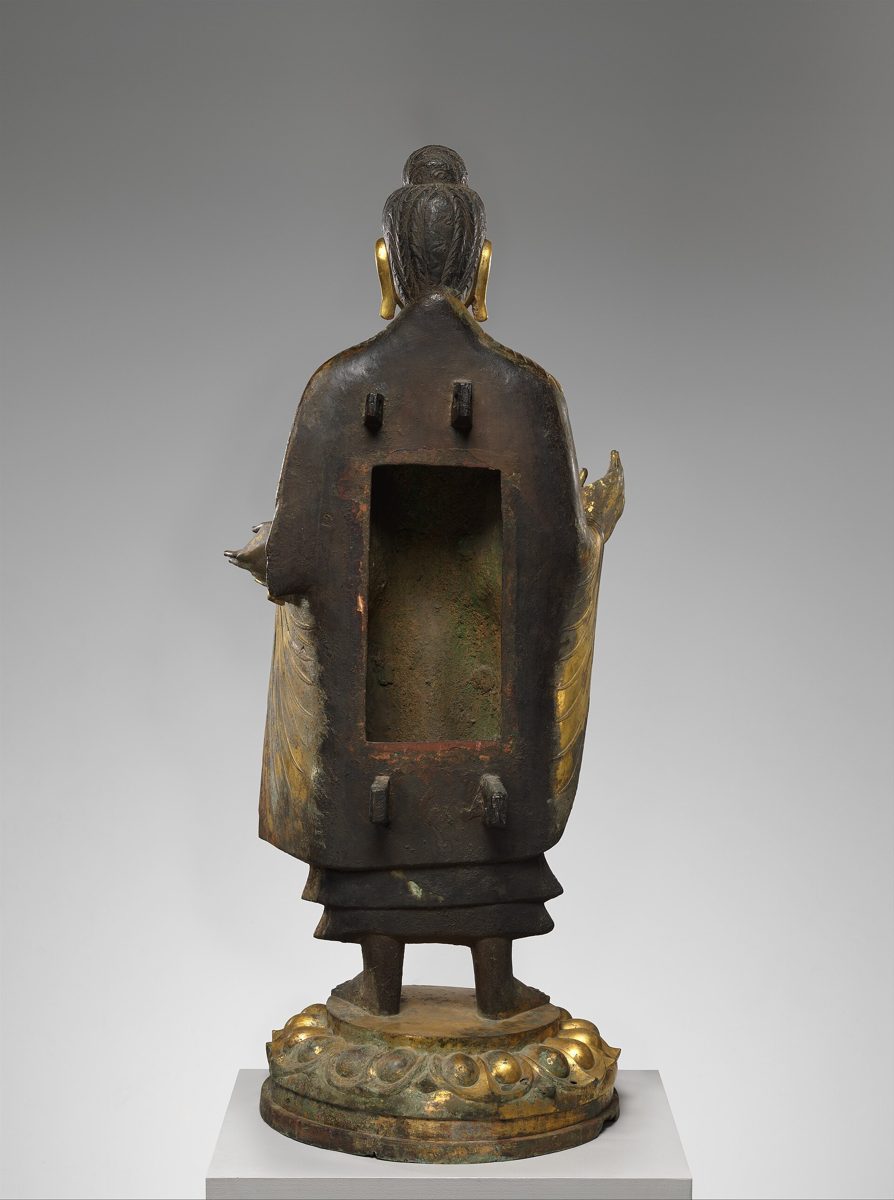
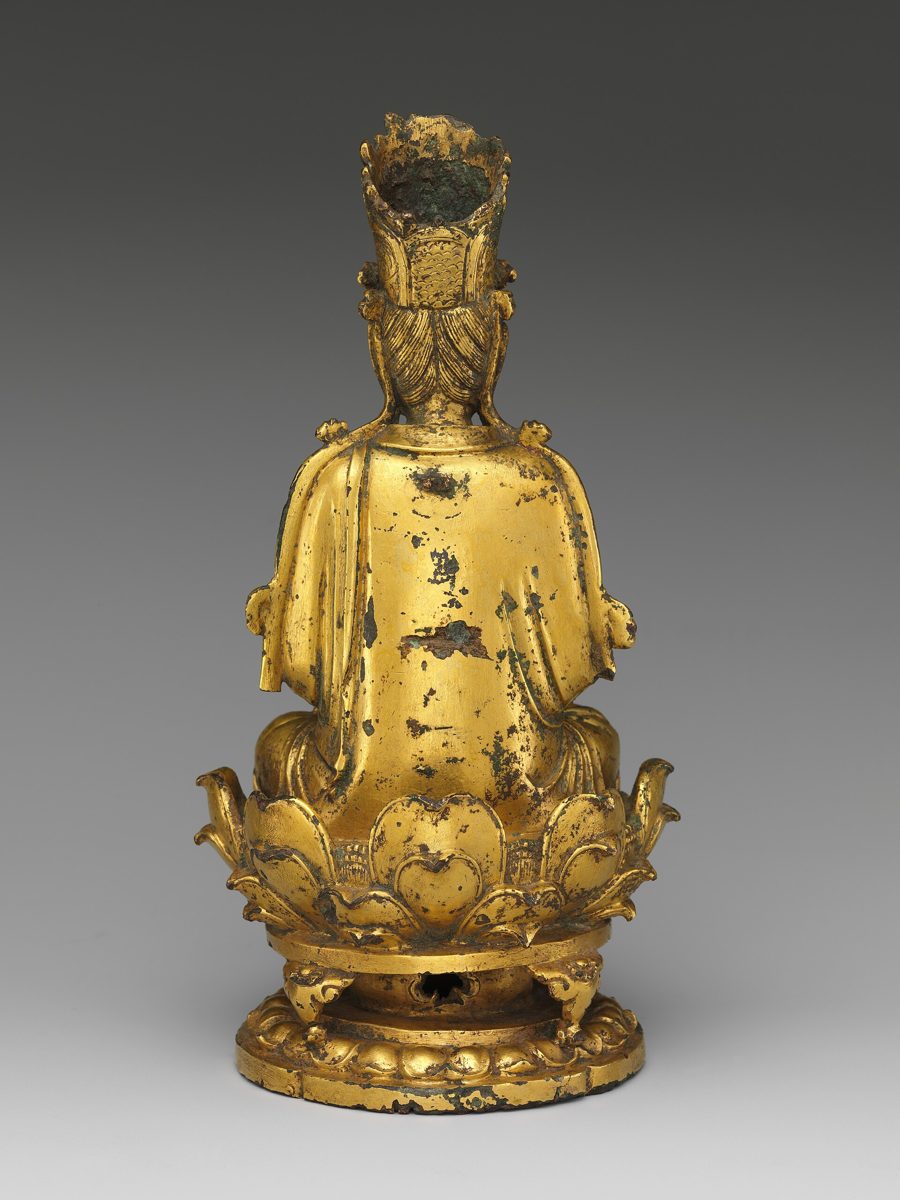
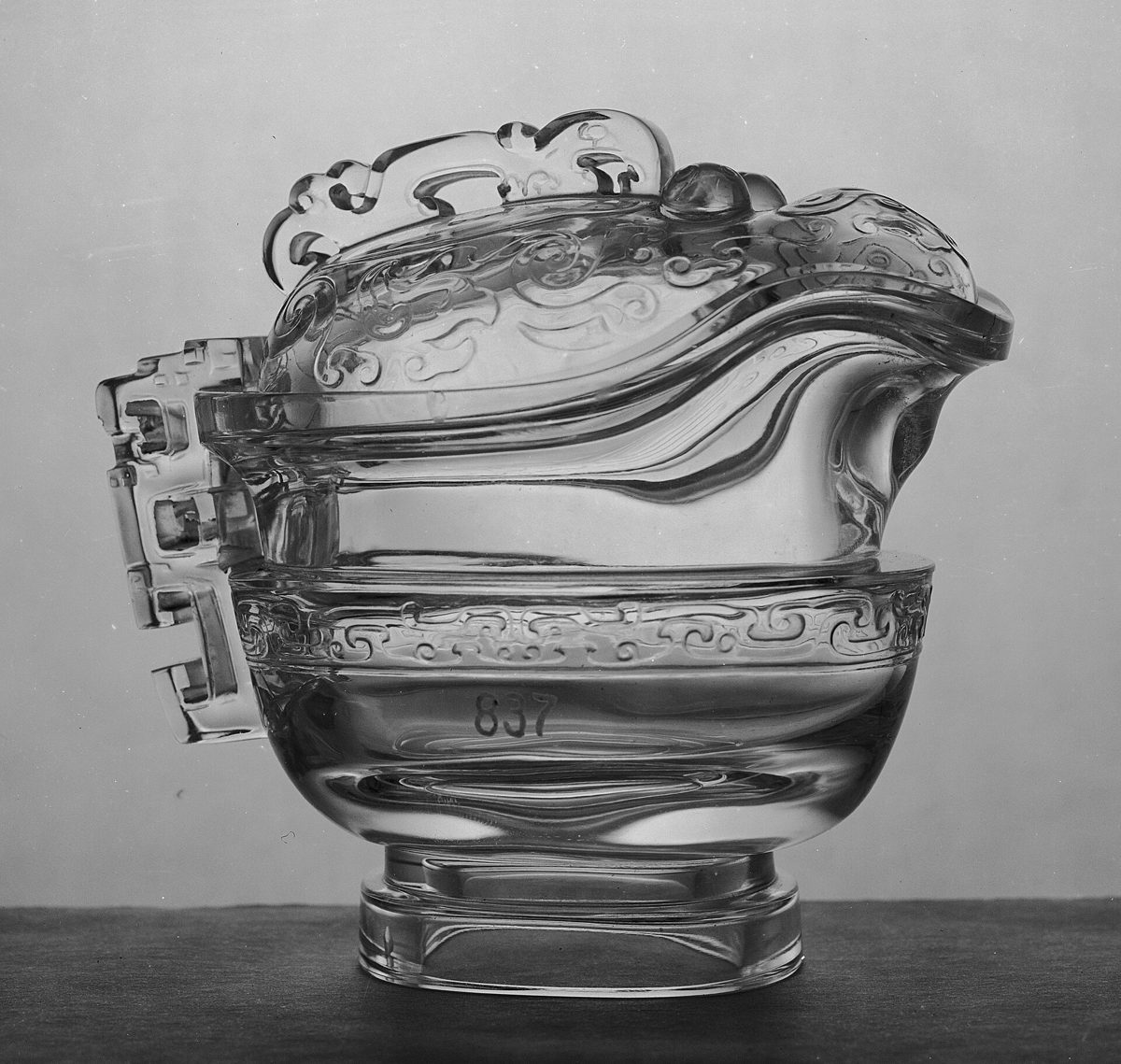
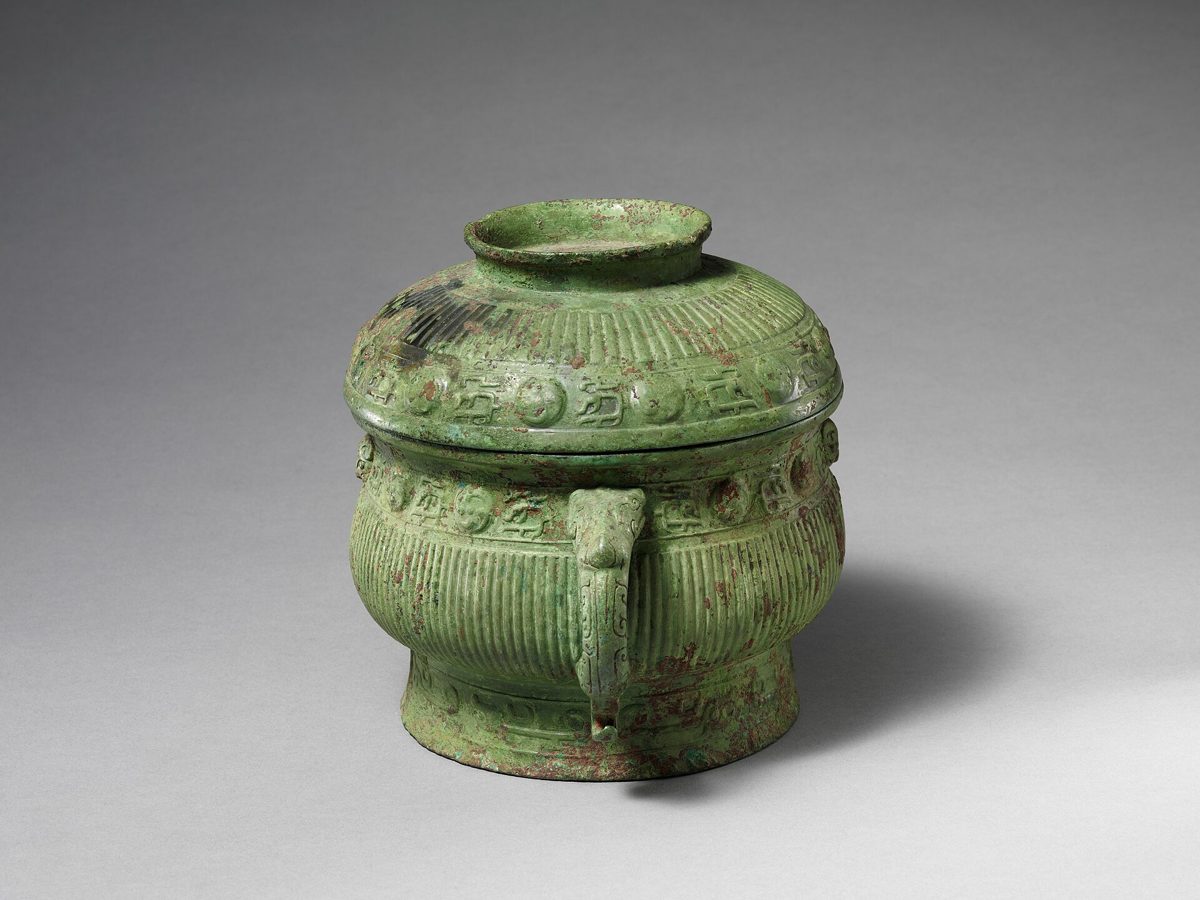
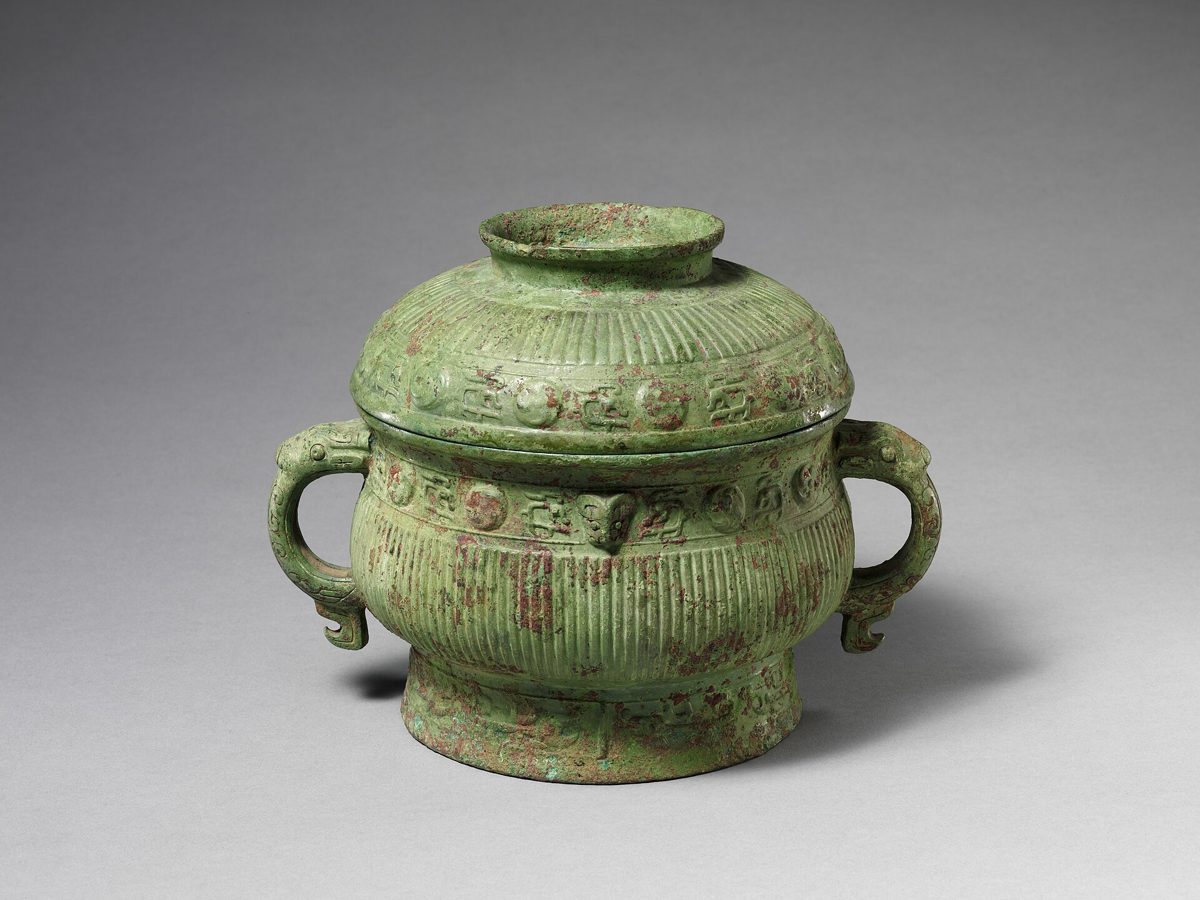
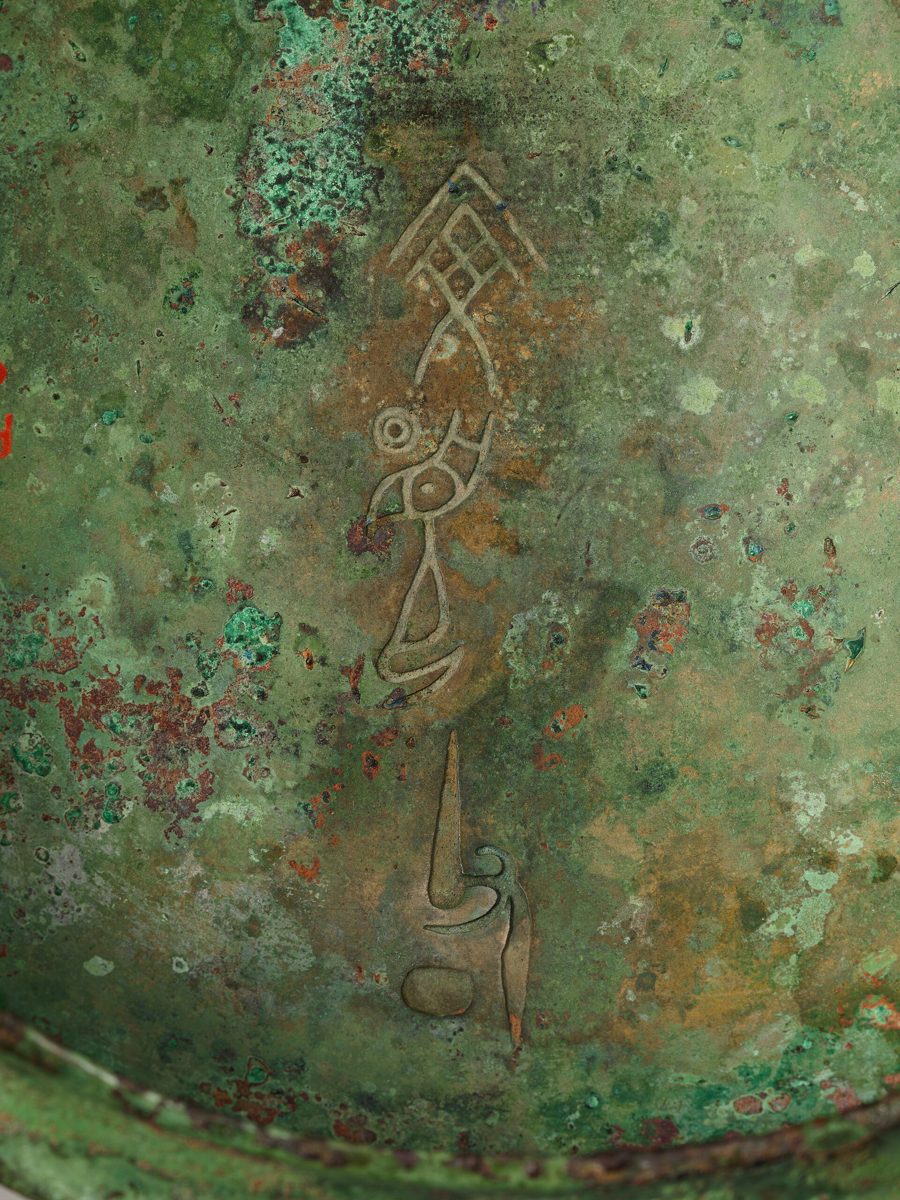
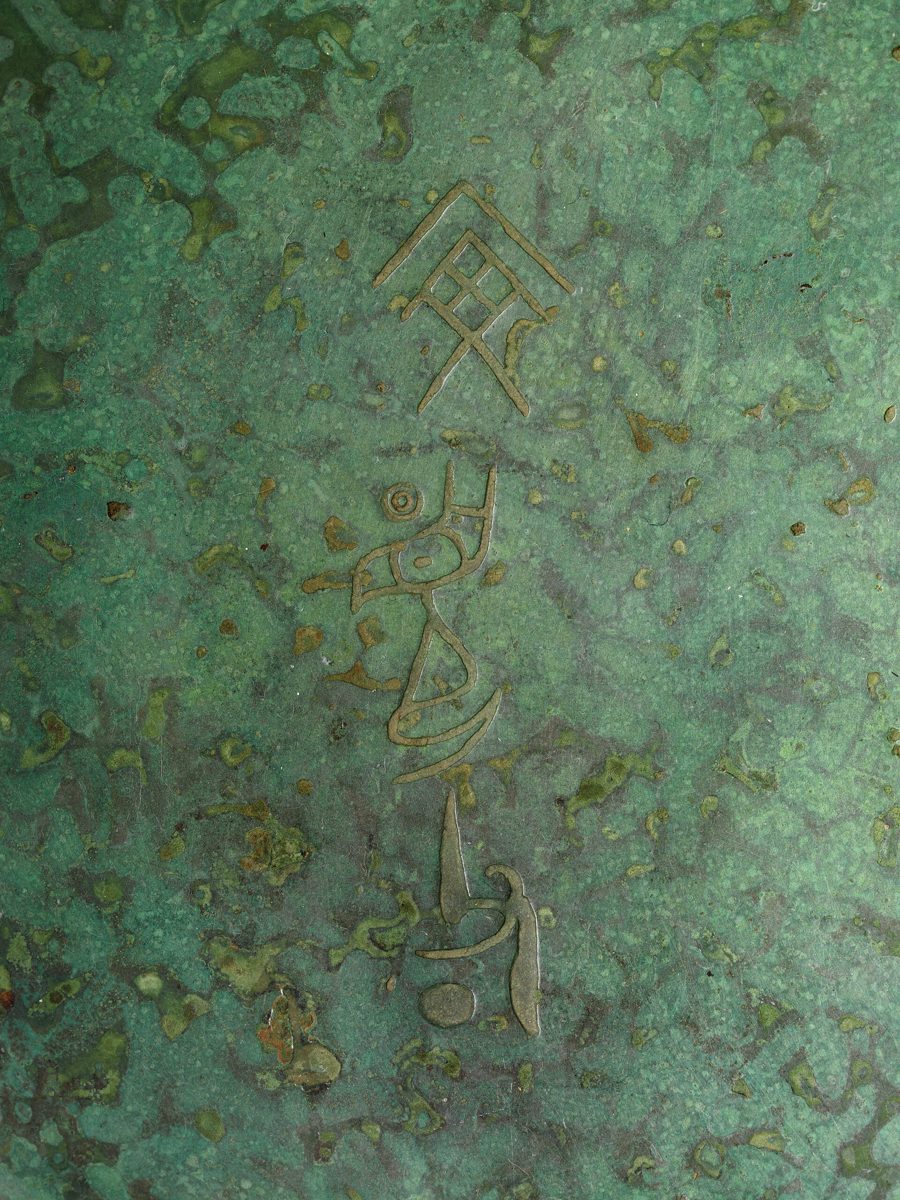
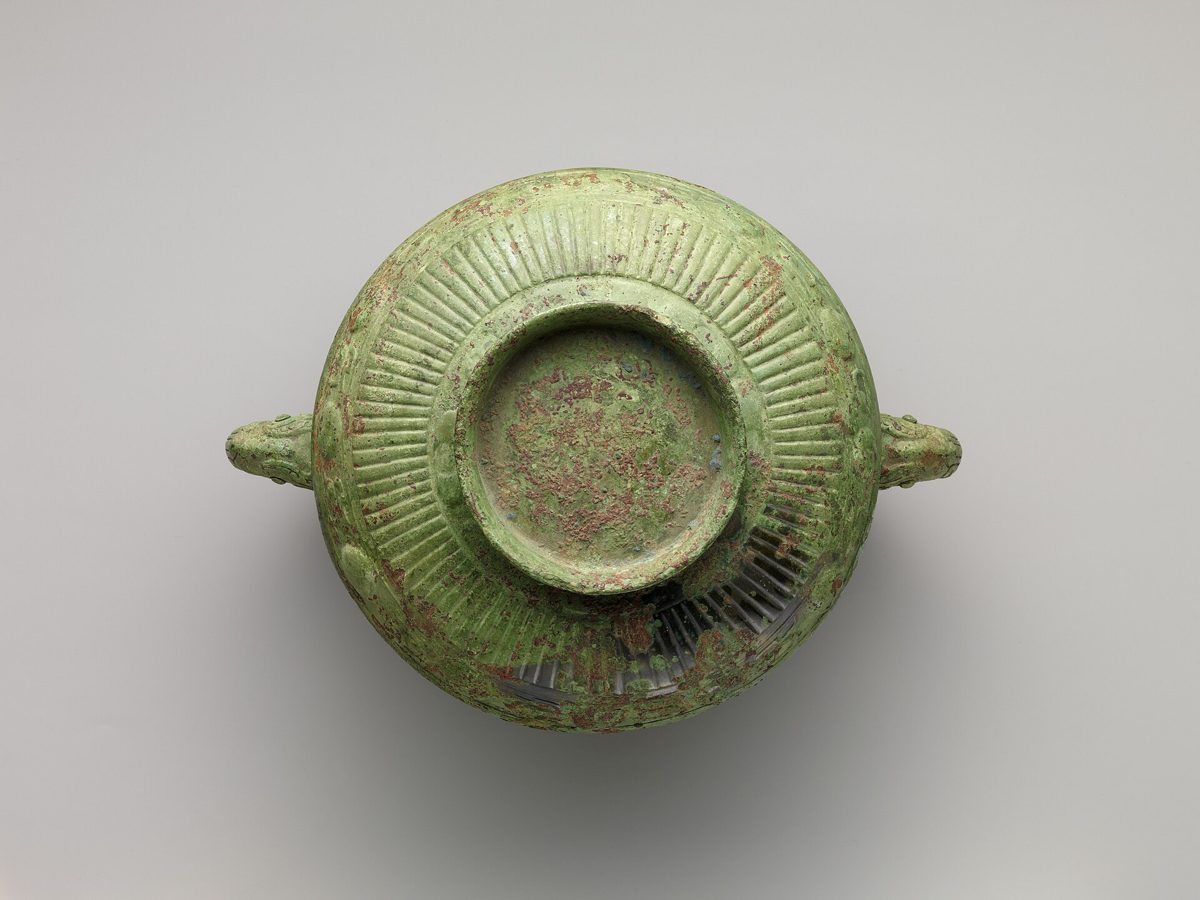
Public-domain photographs of historic Chinese bronzes of these forms, from the Metropolitan Museum of Art open-access collection (via Wikimedia Commons). These are museum antiquities shown only as form & typology references — not photographs of any item we sell; our pieces are modern reproductions made to order.
Sources & further reading
External links open in a new tab and are cited for verification only; they are not endorsements or shopping recommendations.
- Lost-wax casting — Wikipedia
- Chinese ritual bronzes (casting context) — Wikipedia
- Gilt bronze — Wikipedia
- Cinnabar (mercury sulphide) — Wikipedia
- Xuande Emperor — Wikipedia
Related
Bronze vs. brass vs. copper Ritual vessel forms & uses Materials & sizes policy Form & culture guide