Traditional Chinese Ritual Bronze Vessels: Forms and Uses
Reference guide · Bronze Atelier · Published 2026-10-25
The most famous Chinese bronzes are ritual vessels from the Shang and Zhou, cast to hold food and wine offered to ancestors. They are grouped by shape and function, and a confident eye learns to read that typology the way a wine drinker learns bottle shapes. This guide maps the main forms without pretending a modern copy is anything other than a copy.
The ritual setting (fact vs. reconstruction)
From roughly the Shang (c. 1600–1046 BCE) through the Zhou (from 1046 BCE), elite ancestral rites used sets of bronze vessels to present grain, meat and wine offerings. The exact ceremonies are reconstructed from the vessels themselves, their inscriptions, and later ritual texts — so detailed “how every rite ran” accounts are scholarly interpretation, while the physical shapes, casts and inscriptions are the harder evidence.
Food vessels
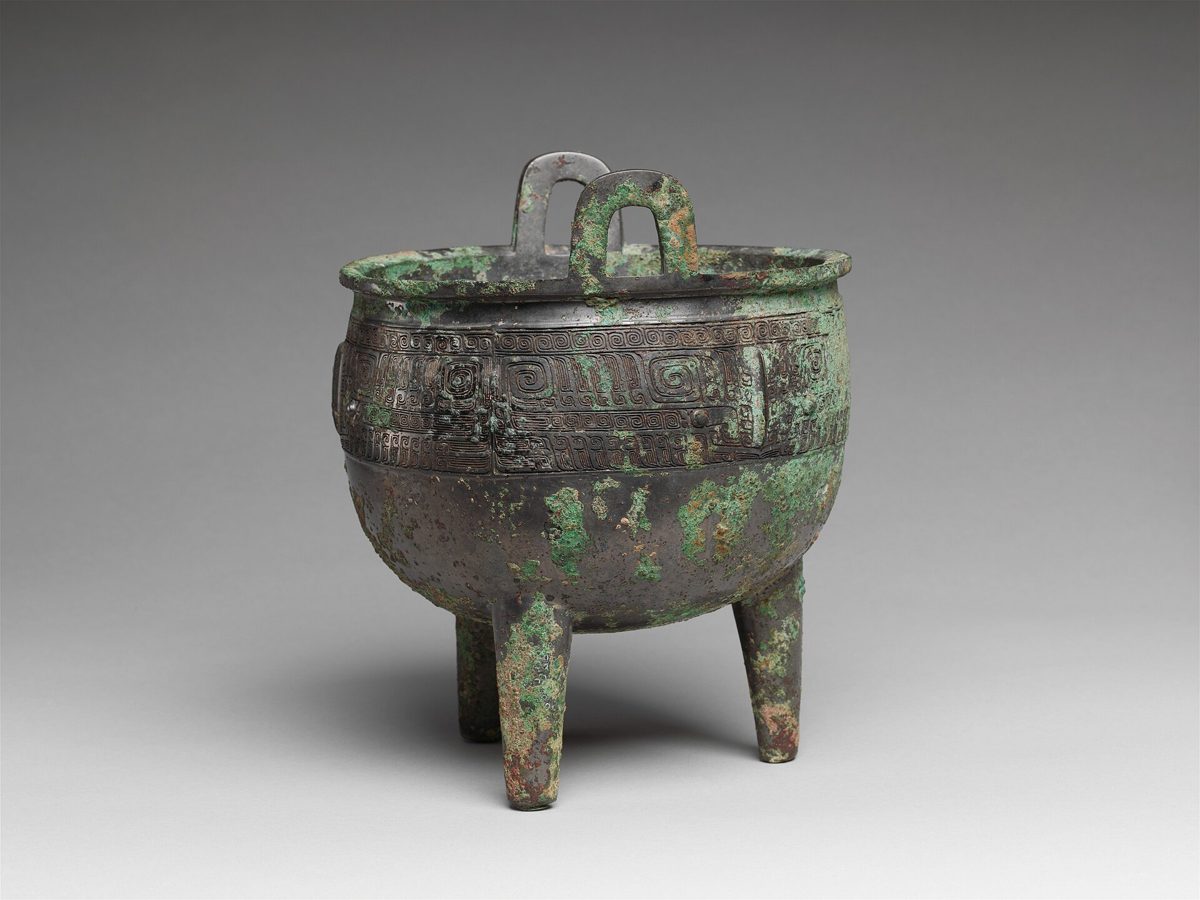
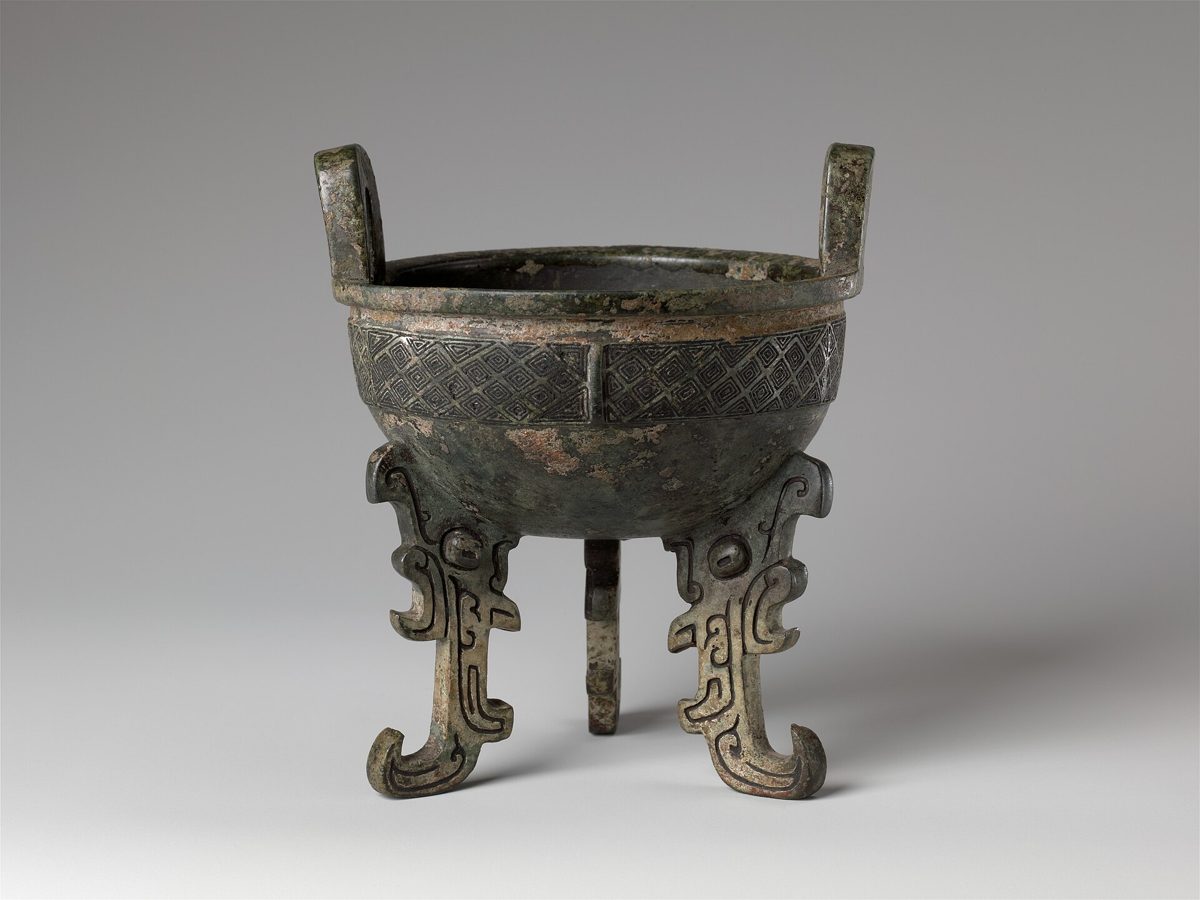
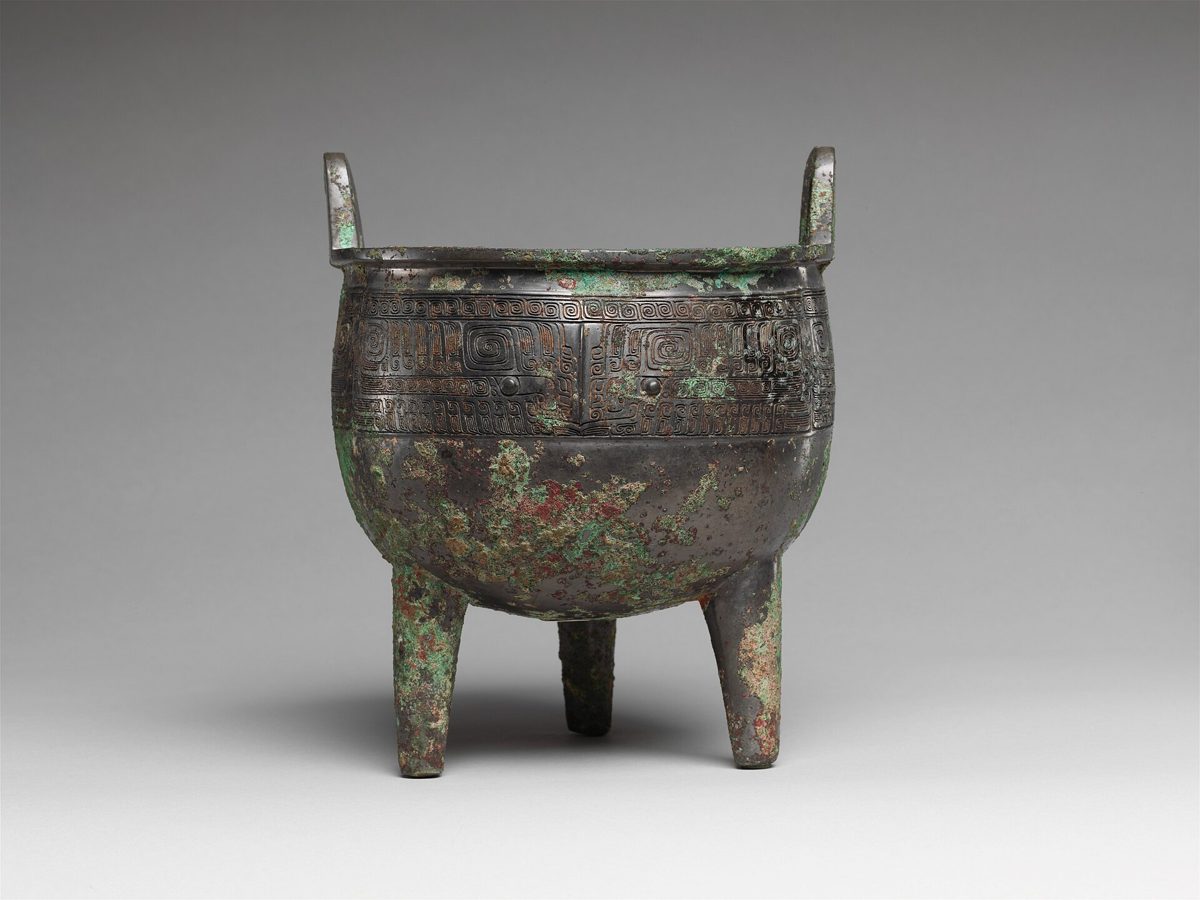
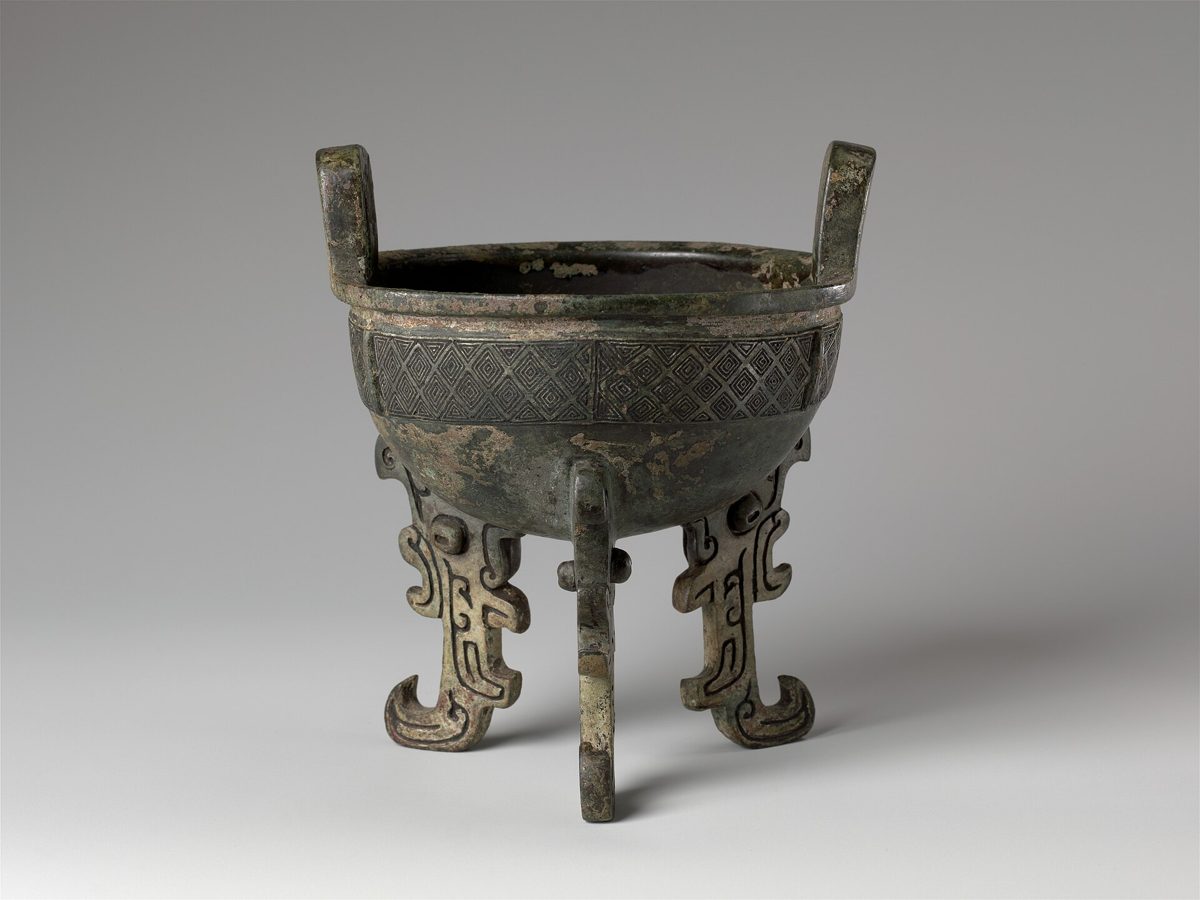
- Ding (鼎) — the anchor vessel: a cauldron on three (round) or four (square fangding) legs. Later a symbol of rank and authority; the tripod silhouette survives in modern burners.
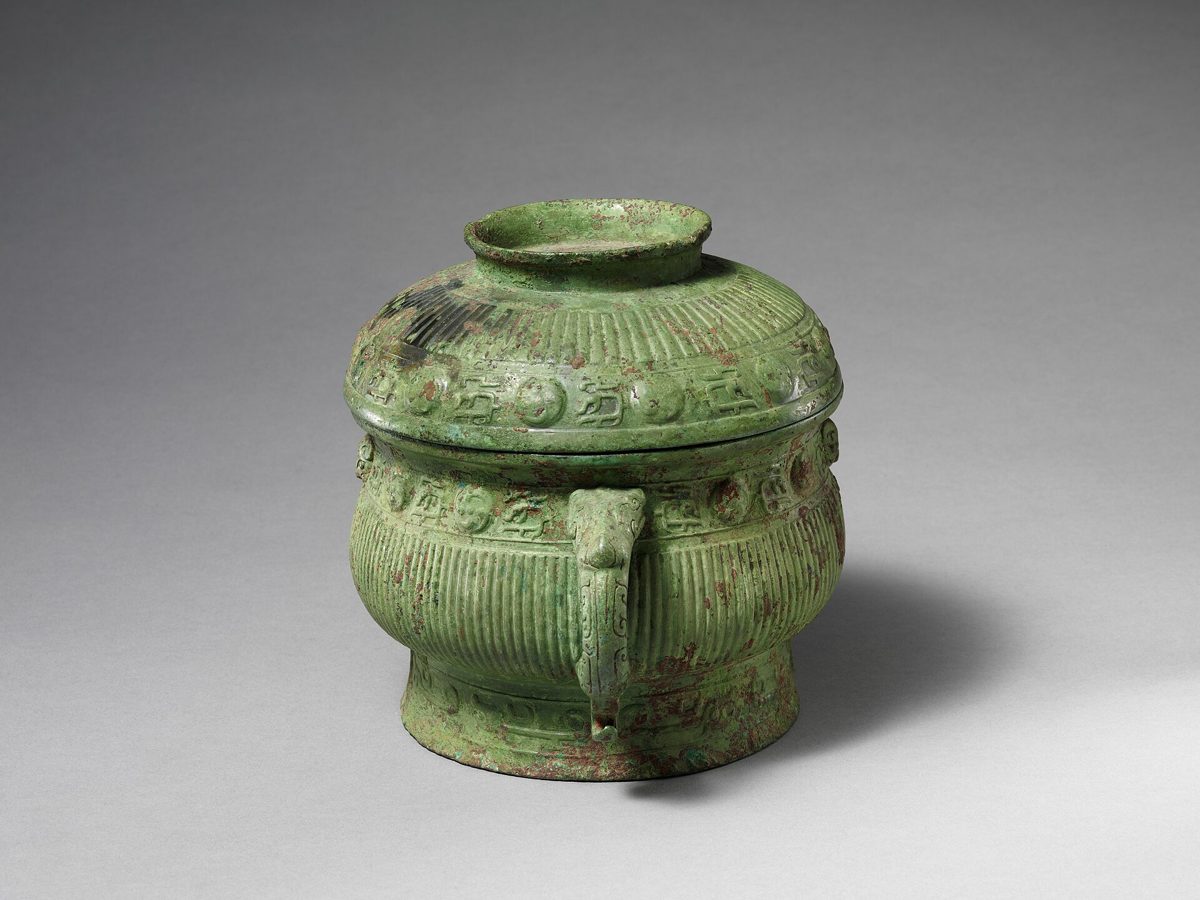
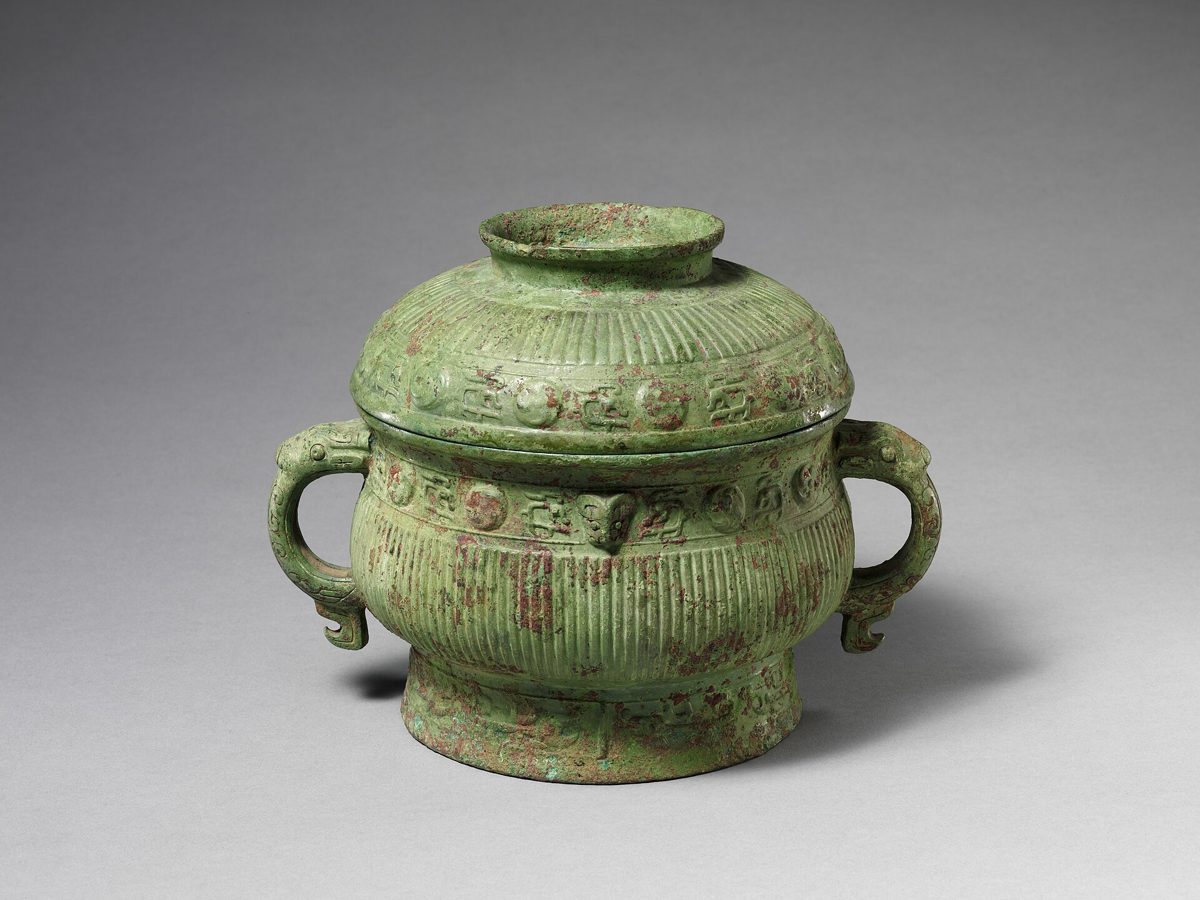
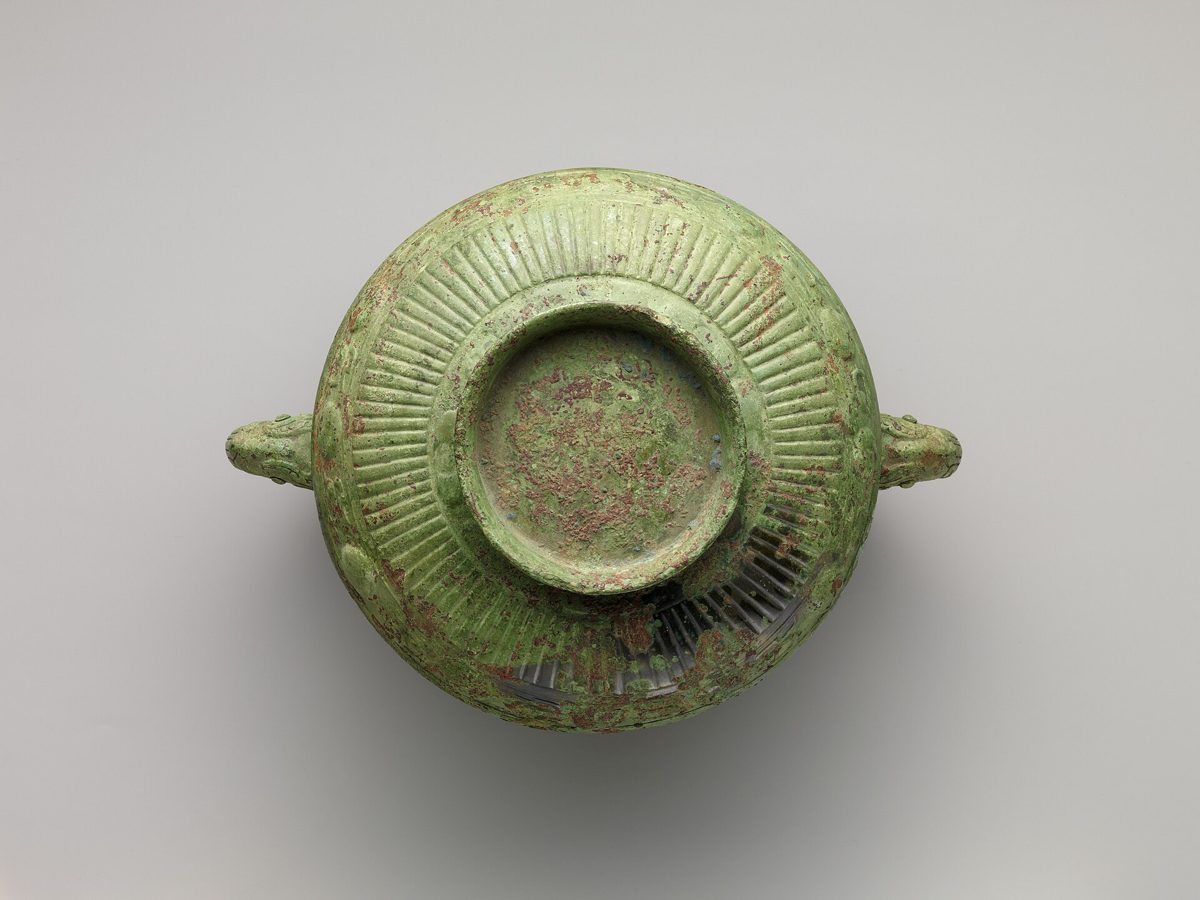
- Gui (箱) — a rounded, lidded grain bowl on a ring foot.
- Gen, li — serving/cooking vessels in the same family.
Wine vessels
- Zun (酉) — a flared-mouth storage vessel on a heavy base.
- Jue (爵) — a spouted, three-footed cup with a handle.
- Gu, lei, yi — beakers, large storage jars and pouring/ water vessels that round out a set.
Reading the surface
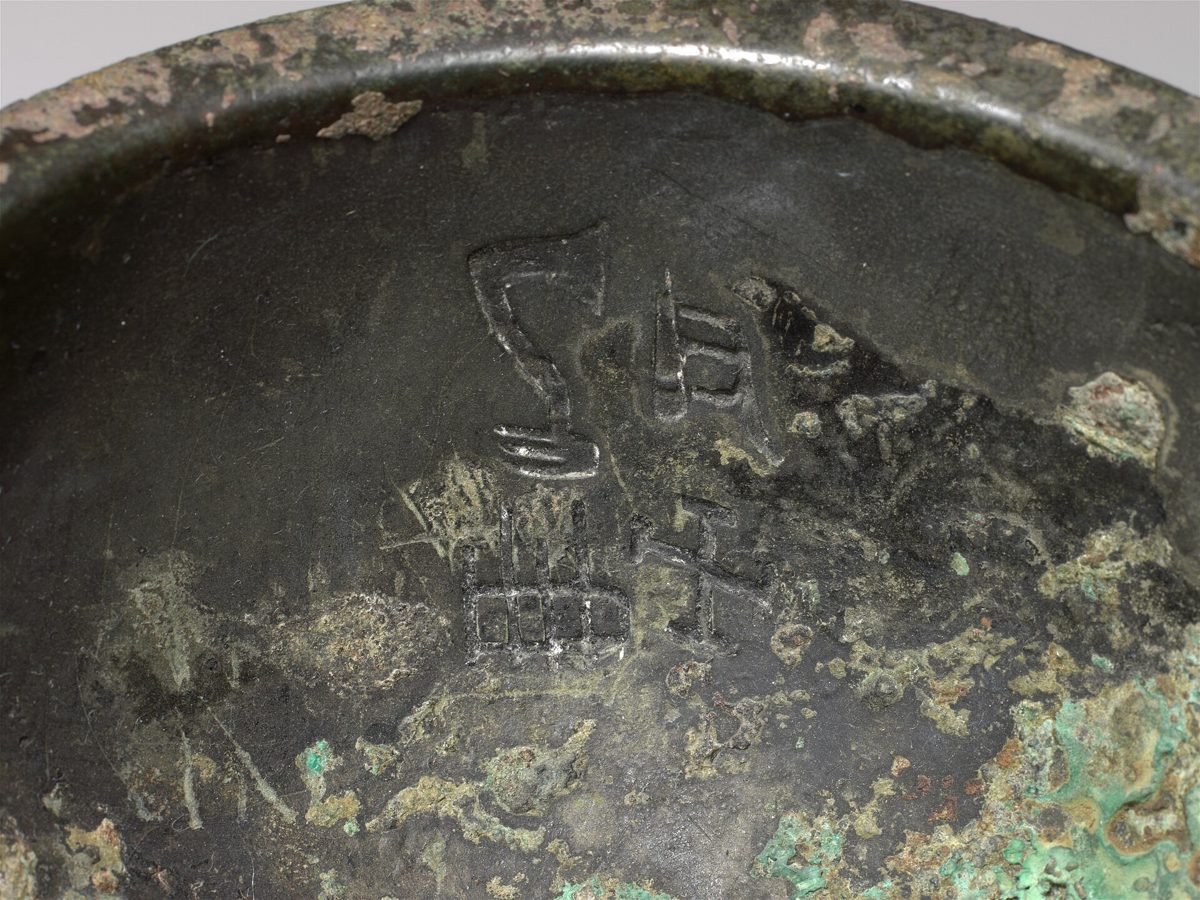
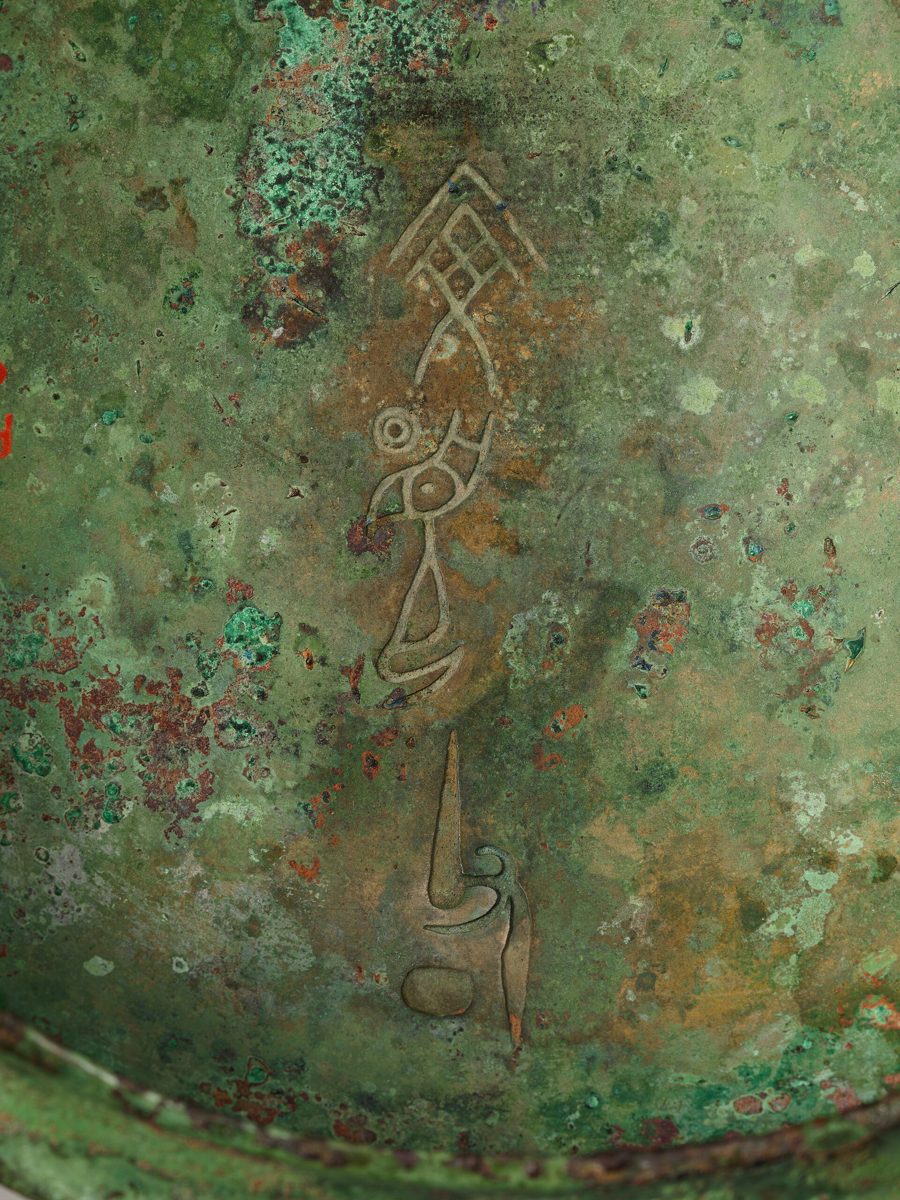
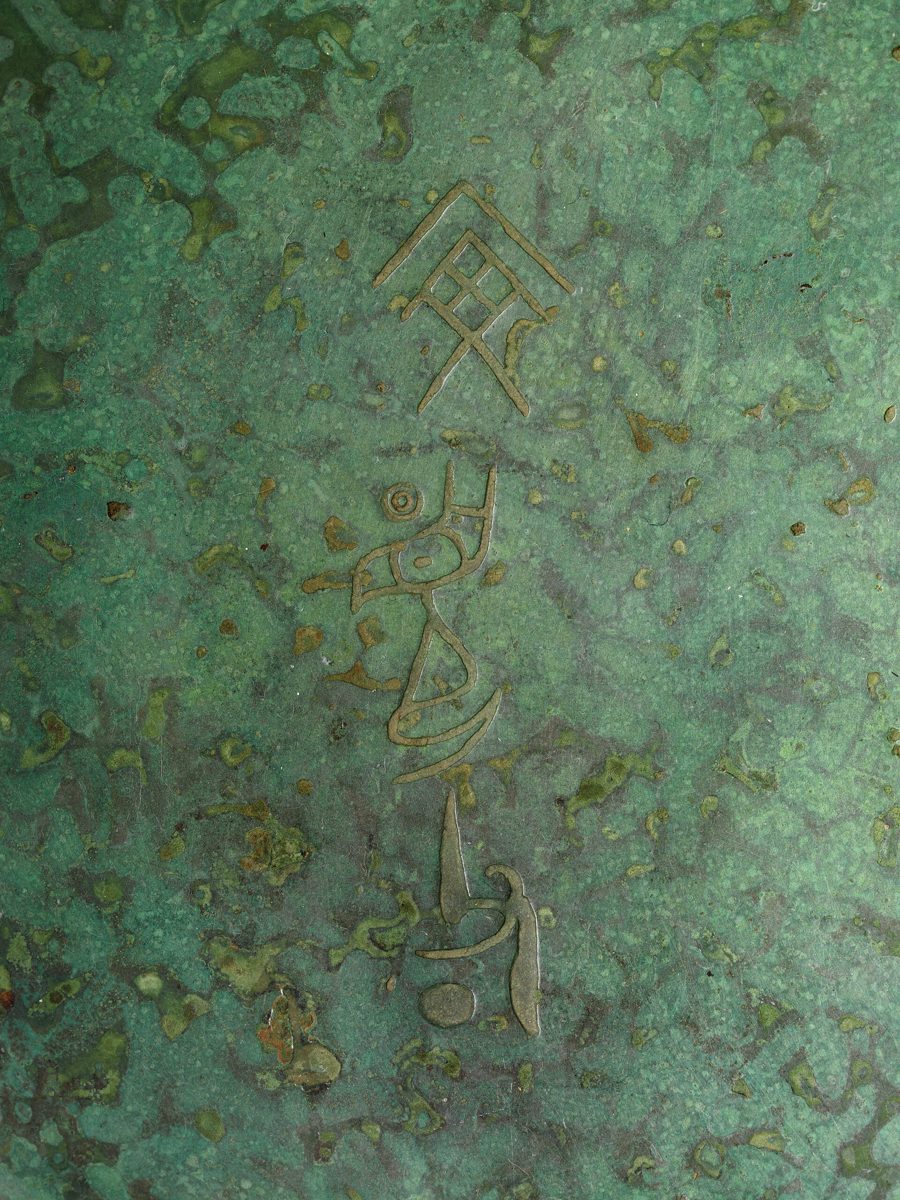
Decor is organized in horizontal registers. The emblem motif is the taotie — an abstracted, frontal beast mask, often read as a zoomorphic composite rather than a literal animal. Flanges, raised ridges and bands of thunder-pattern (leiwen) ground frame the main register. Inscriptions, when present, recorded the patron, the recipient and the occasion — a primary historical source, not ornament.
Historical form references
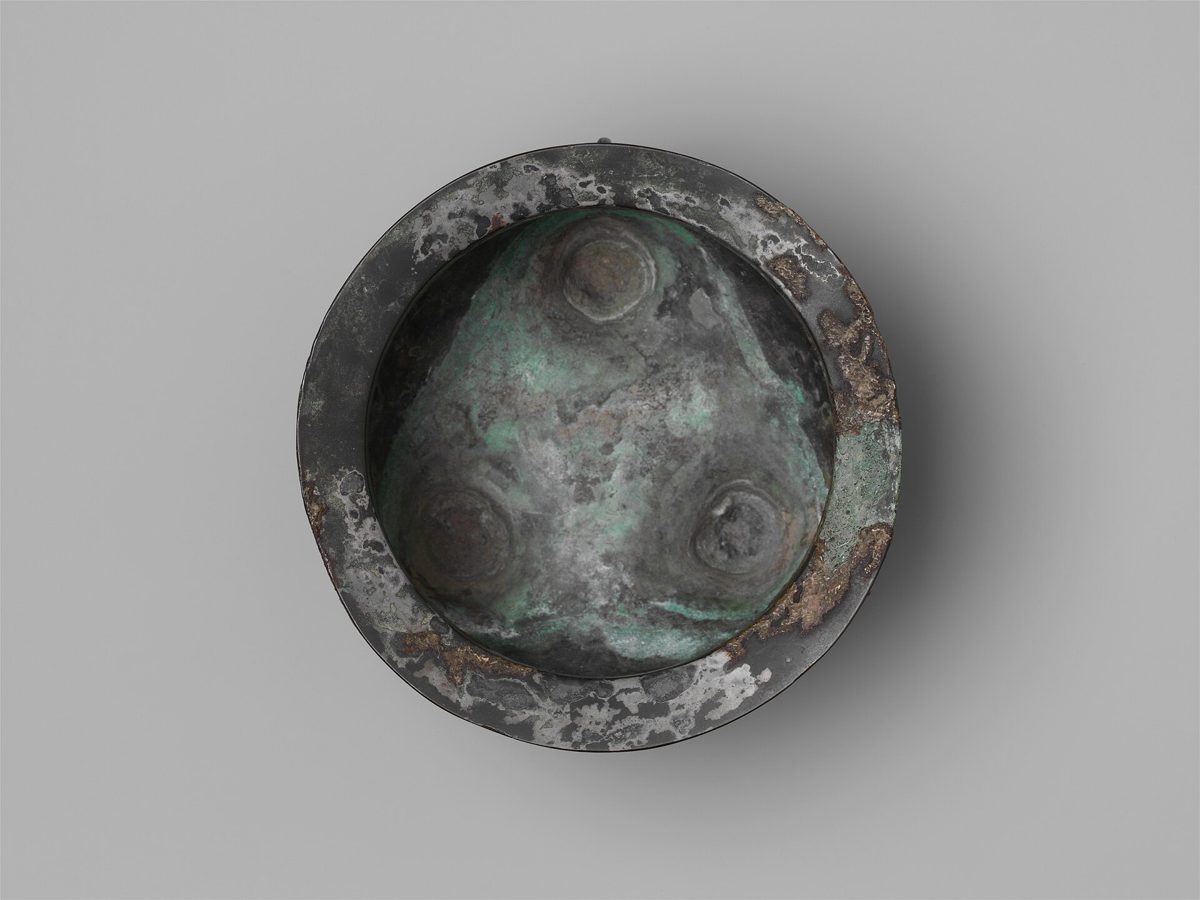
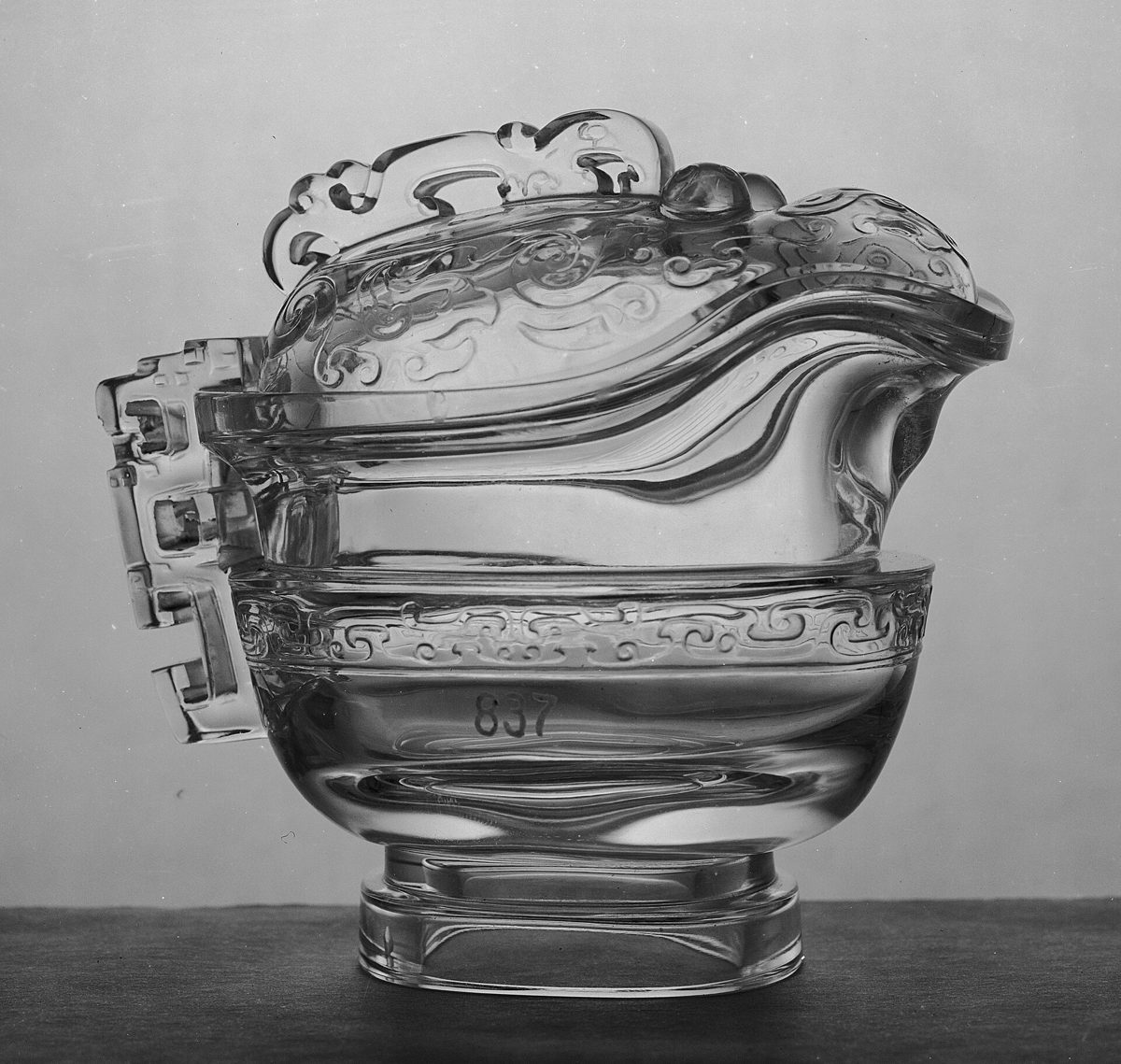
Public-domain photographs of historic Chinese bronzes of these forms, from the Metropolitan Museum of Art open-access collection (via Wikimedia Commons). These are museum antiquities shown only as form & typology references — not photographs of any item we sell; our pieces are modern reproductions made to order.
Sources & further reading
External links open in a new tab and are cited for verification only; they are not endorsements or shopping recommendations.
- Chinese ritual bronzes — Wikipedia
- Shang ritual bronzes — Wikipedia
- Zhou dynasty — Wikipedia
- Bronze Age in China — Wikipedia
Related
Ritual vessel category Ding vessel category Form & culture guide How bronze is cast & finished