Home / Guides / Ancient Chinese Bronze Vessels: A Visual Guide to Common Shapes
Ancient Chinese Bronze Vessels: A Visual Guide to Common Shapes
Reference guide · Bronze Atelier · Published 2026-10-26
This is the visual companion to our ritual-vessel guide.
There, the question is what each vessel did in an ancestral rite. Here the
only question is recognition: given a silhouette, can you name the shape? That is a
different, practical skill — the one you need when a listing calls an object
“a ding” and you want to check whether the form is even coherent.
Three questions that sort almost any shape
Feet? Three pointed legs, four legs, or a ring foot / no legs.
Lid? Open, or with a matching cover that can double as a cup.
Pour or spout? A gutter and pillar near the mouth, or neither.
The food-vessel silhouettes
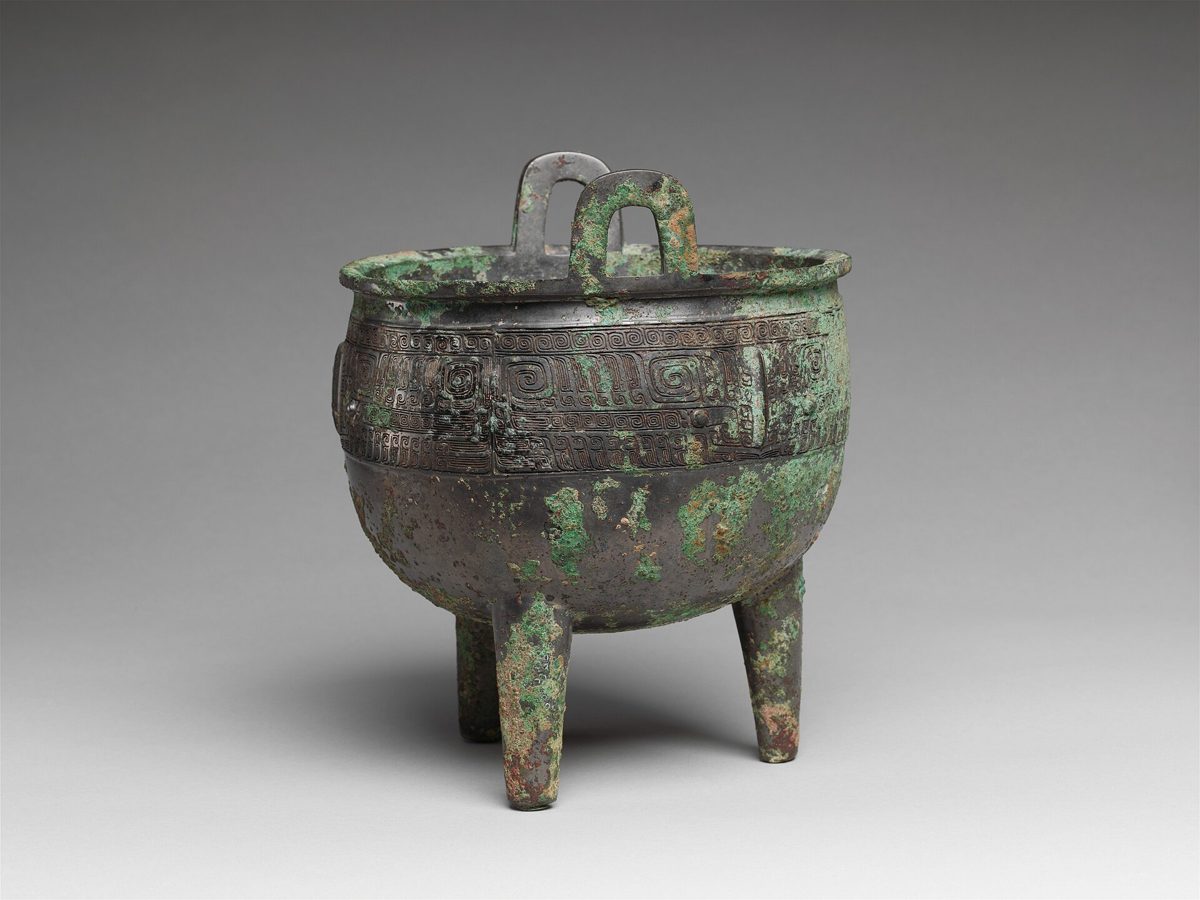
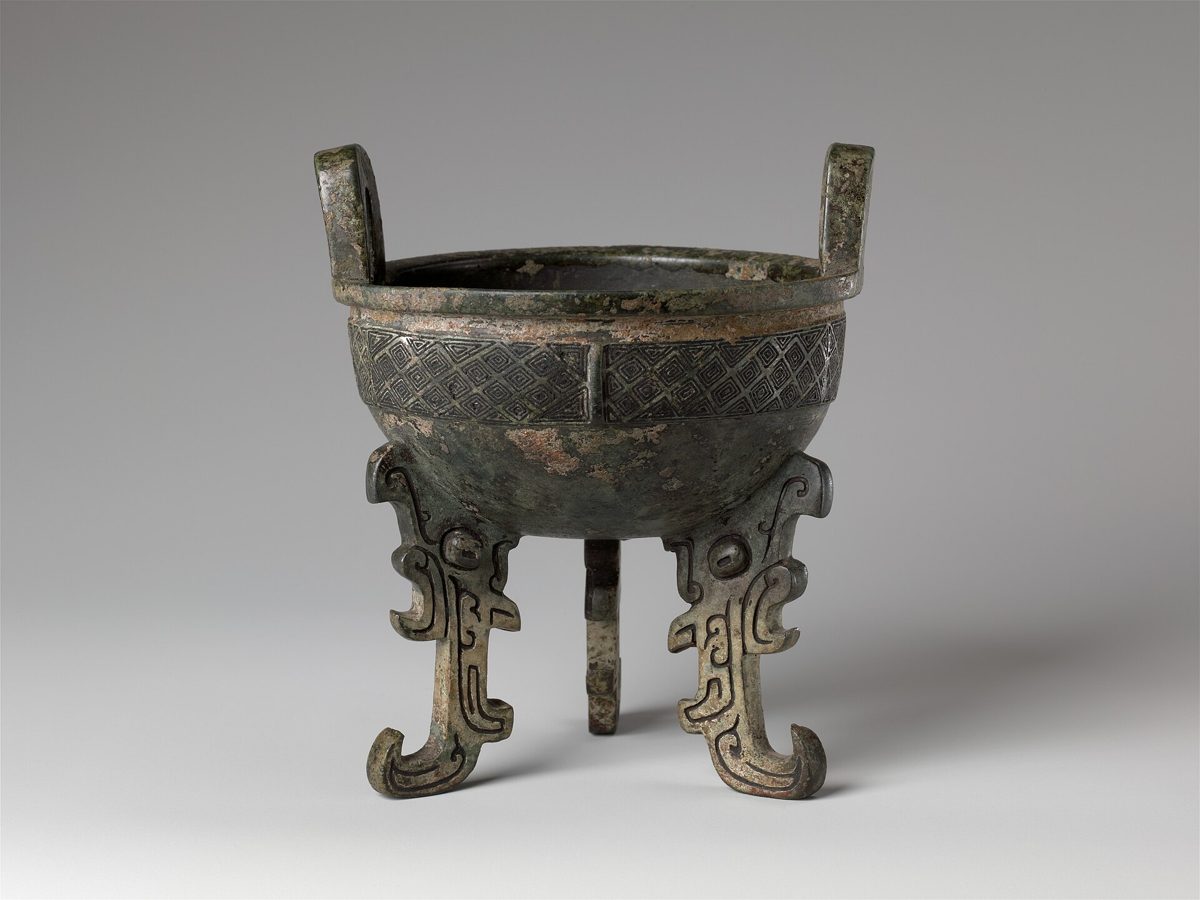
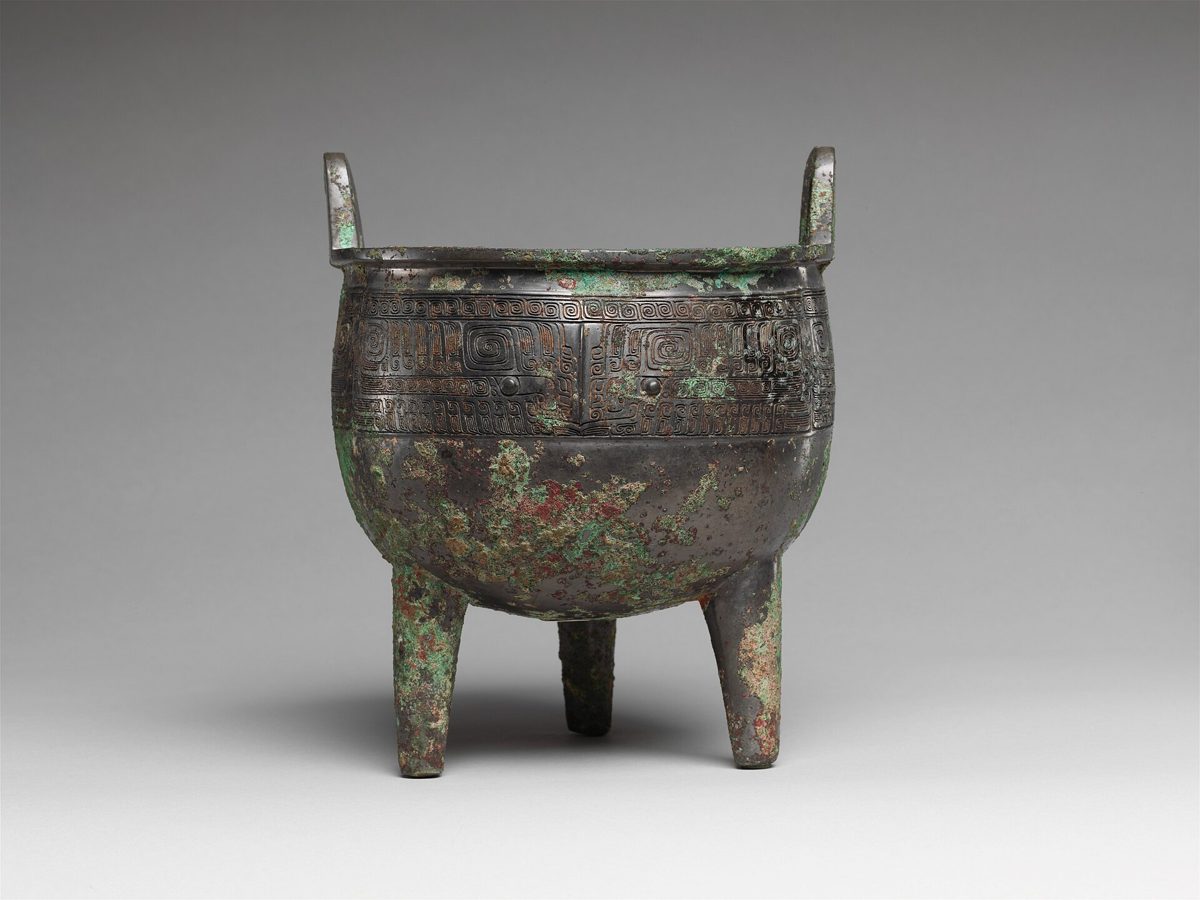
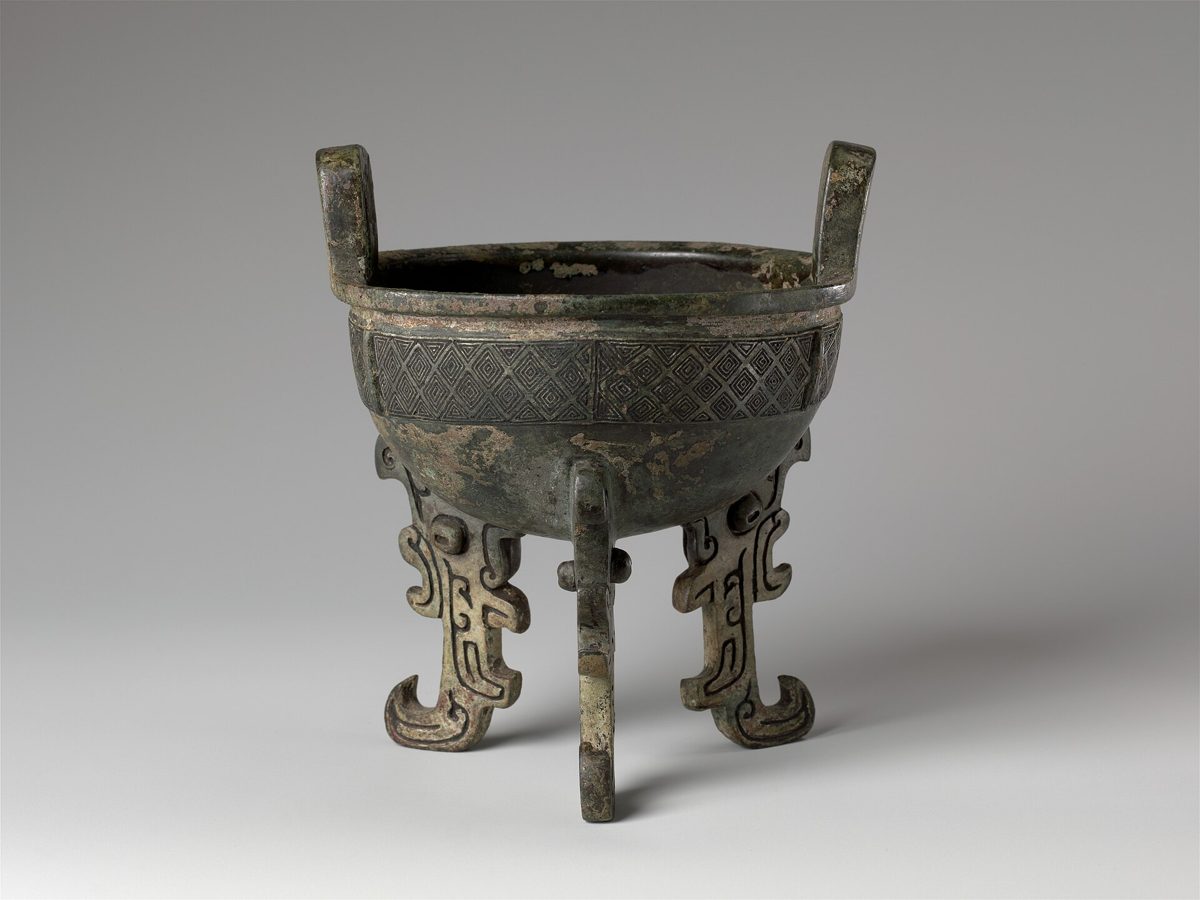
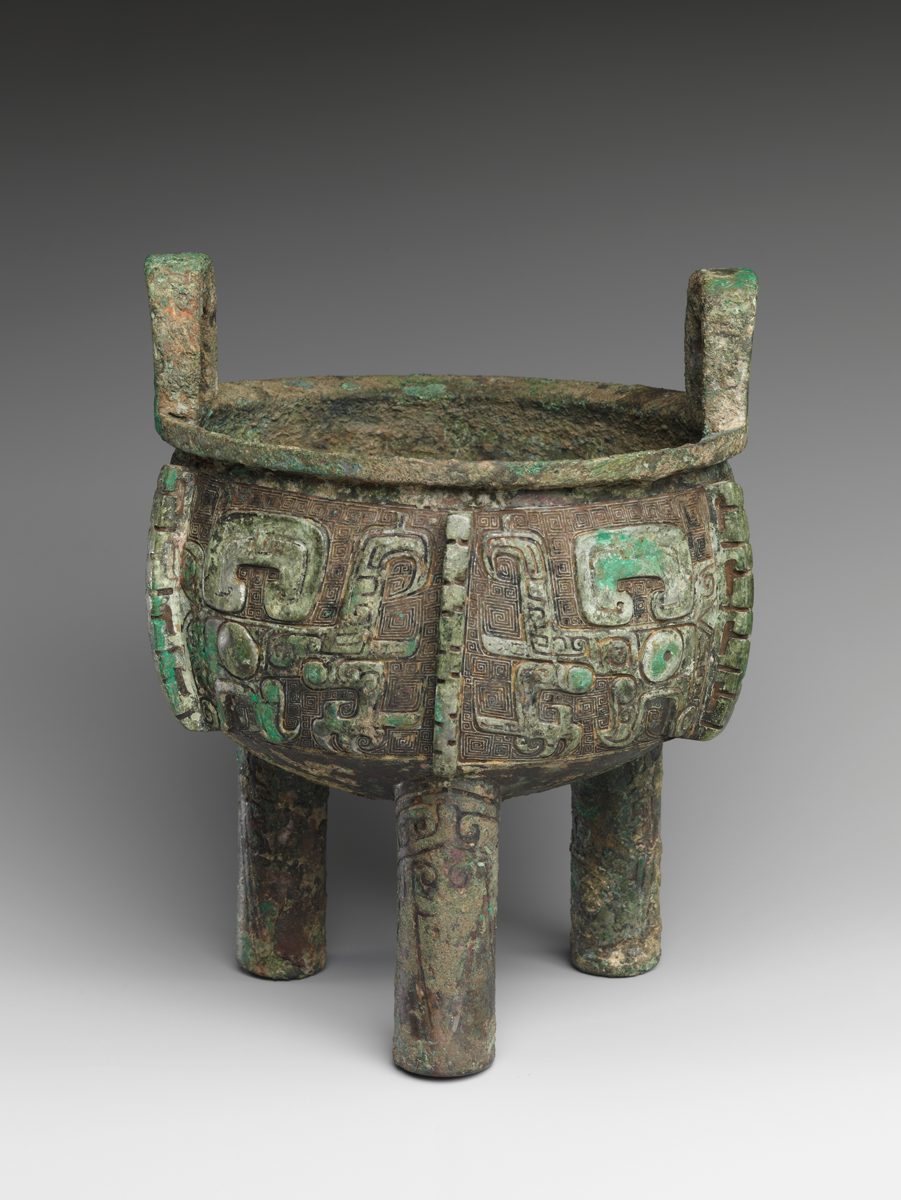
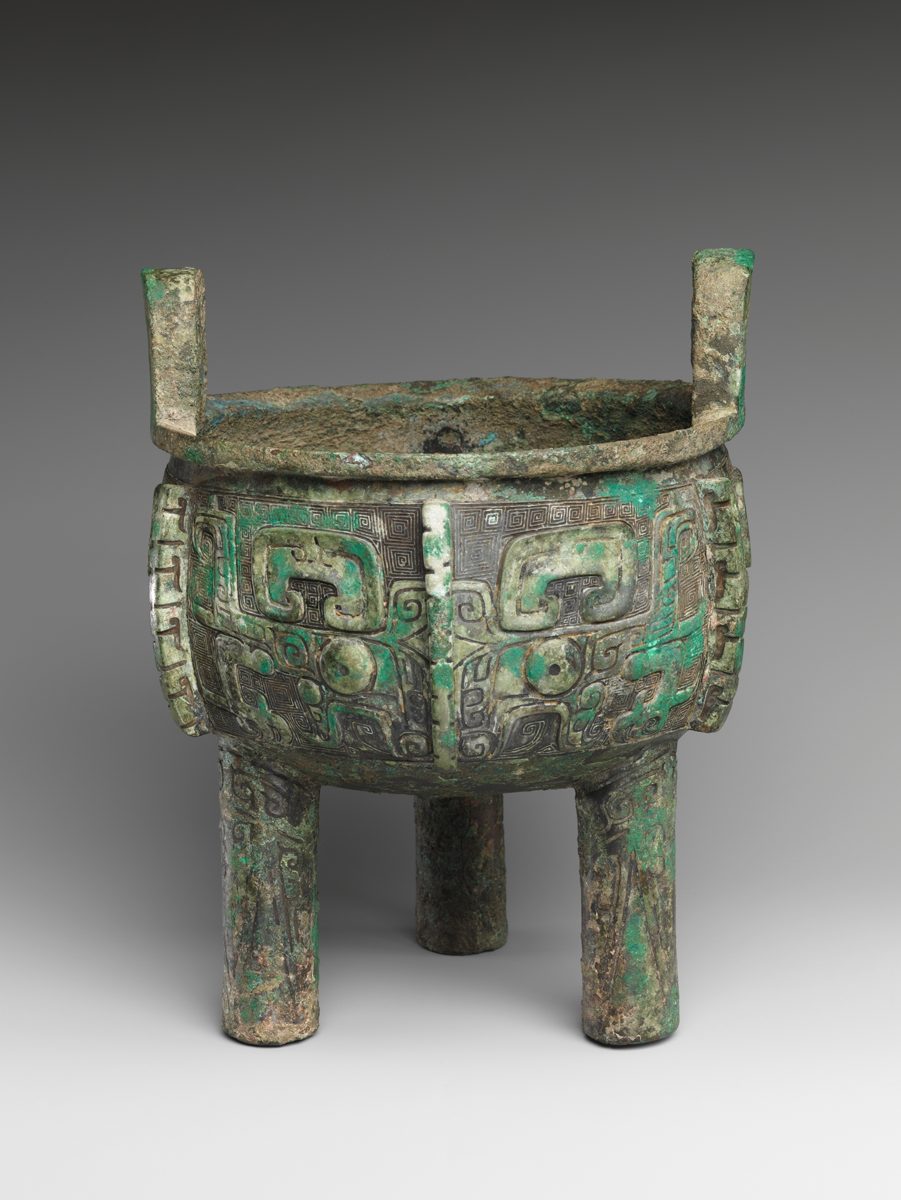
Ding (鼎) — bowl on three legs (round) or
four (the square fangding); two upright “ears” on the rim.
The tripod cooking-cauldron that became the emblem of rank.
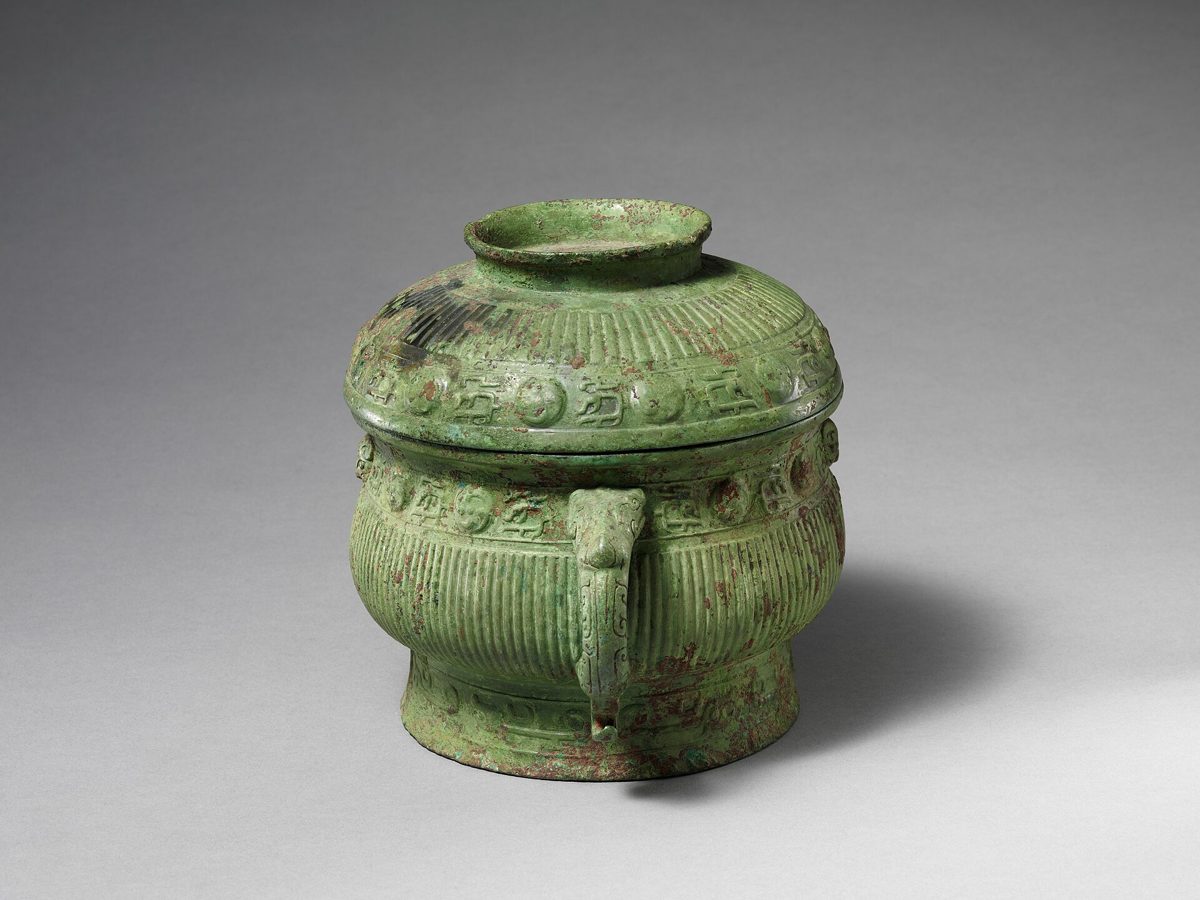
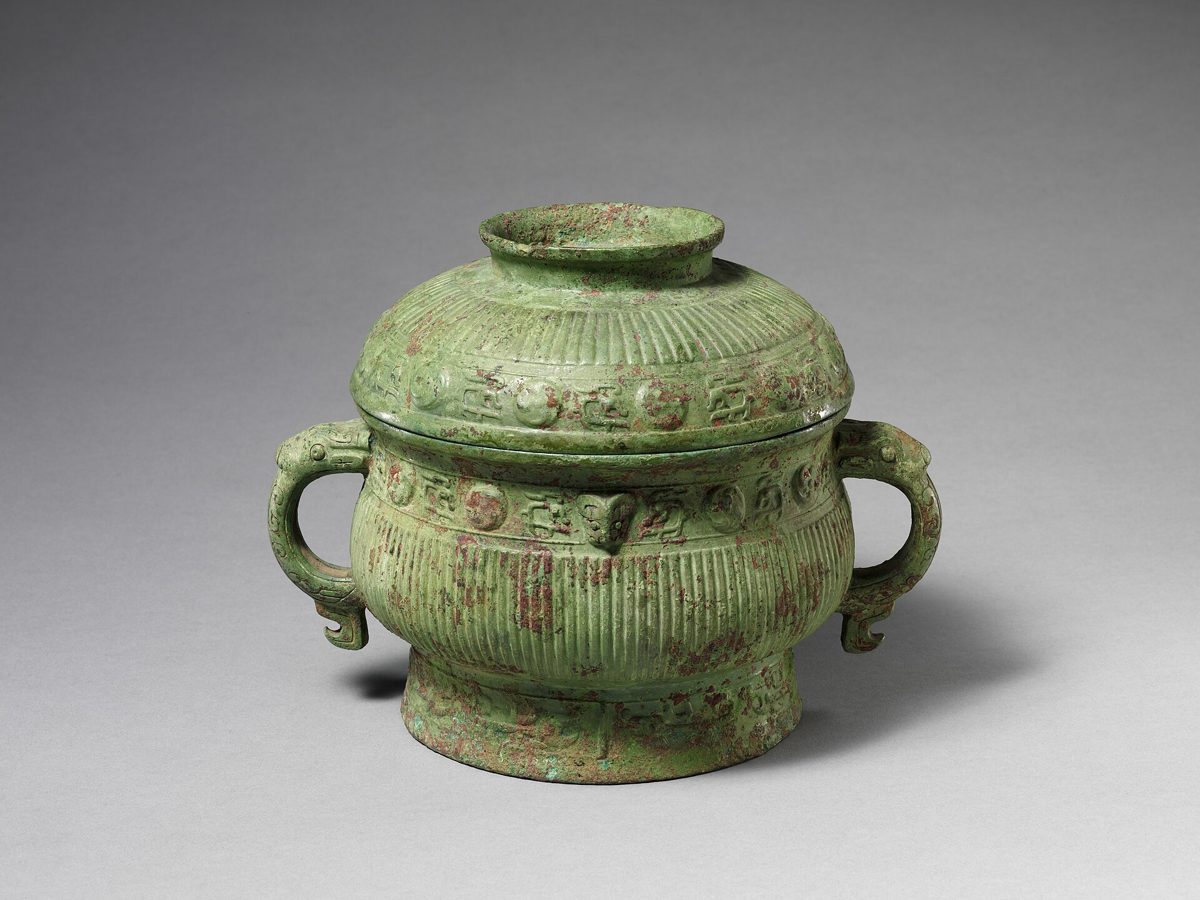
Gui (箱) — a rounded, often lidded grain bowl on a
ring foot, usually with two small side handles; low and wide.
The wine-vessel silhouettes
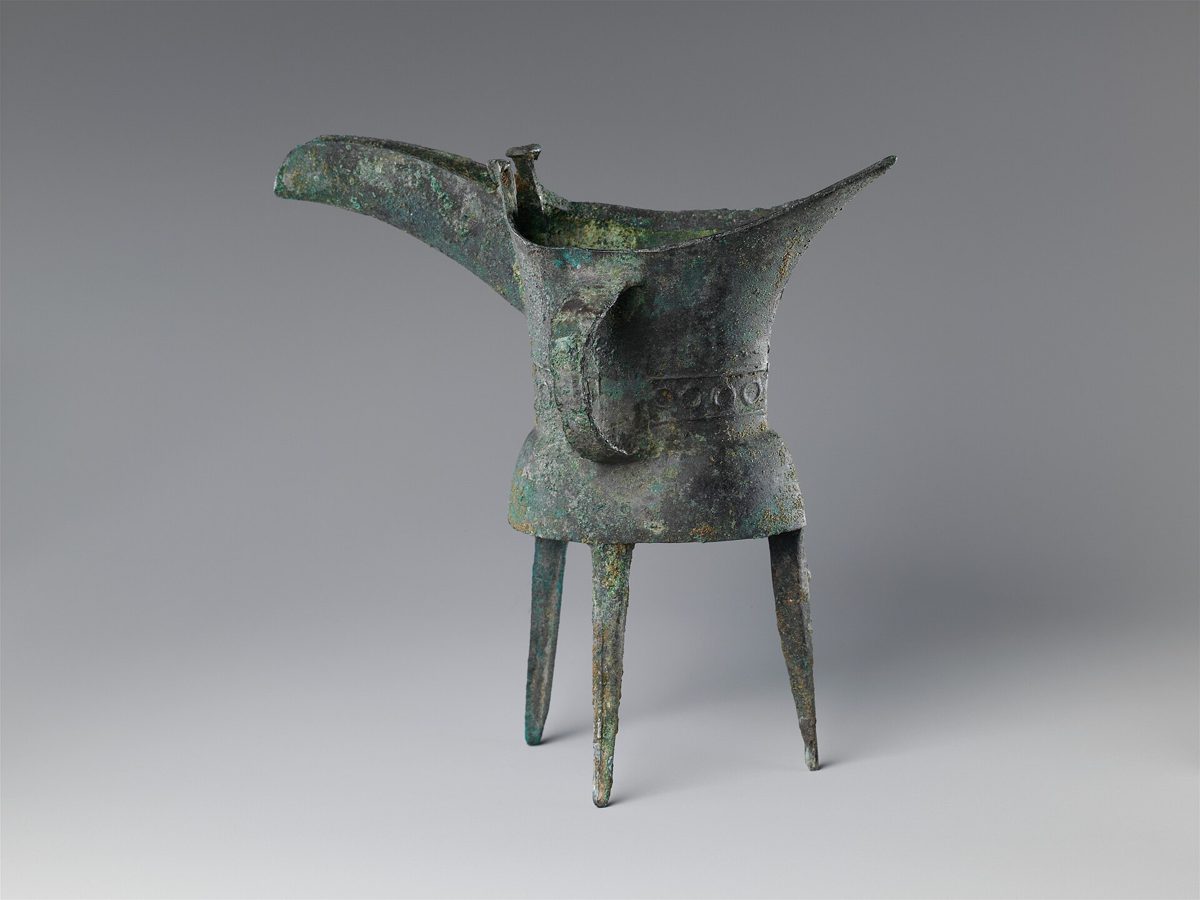
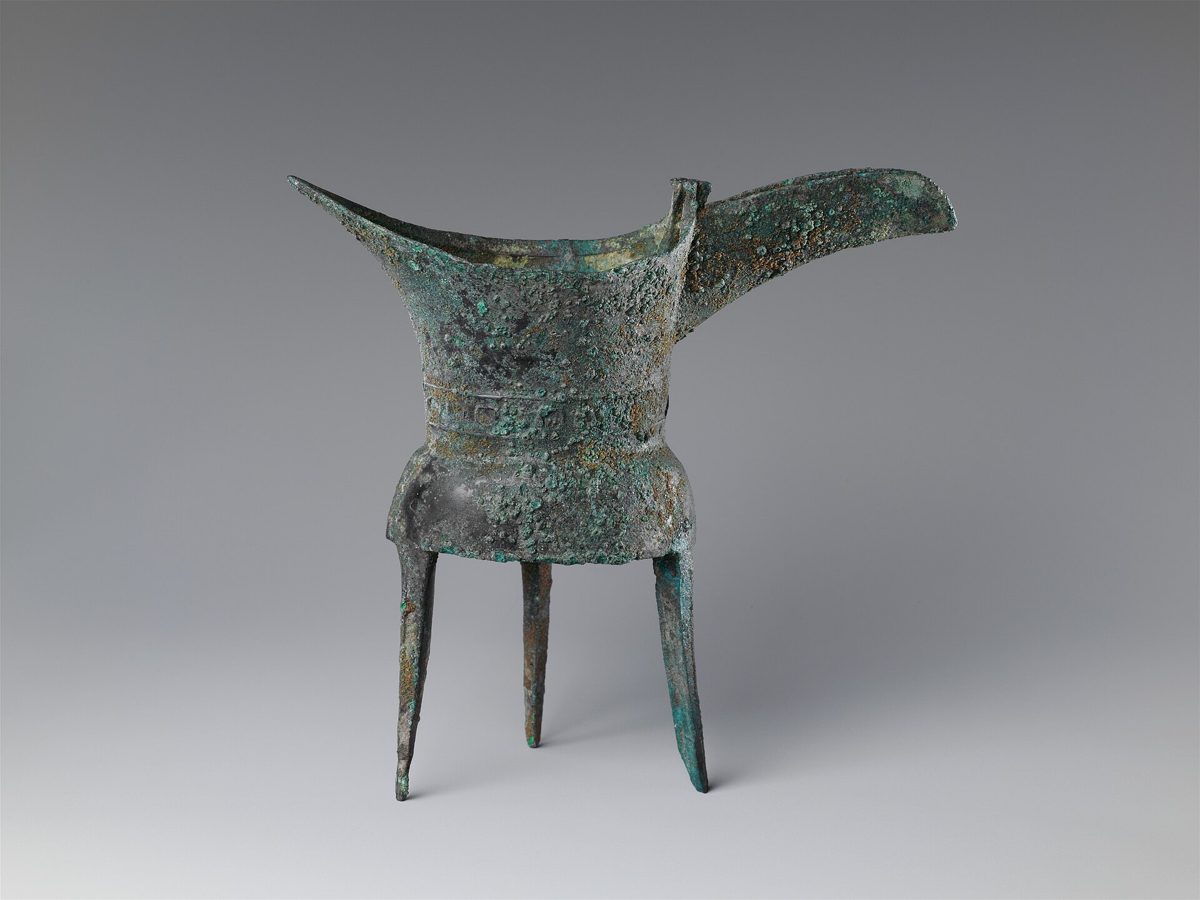
Jue (爵) — the most distinctive: a cup on three
splayed legs, a pouring gutter at the mouth, two short pillars near it, and
a handle on the side. If it looks like a tripod cup with a spout, read it as a jue.
Gu (角) — a tall, flaring beaker on a flared foot, no
lid, no legs; a rim-and-flare silhouette.
Zun (酉) — a big funnel-mouth storage vessel on a heavy
base; wide at top and bottom, cinched at the middle.
Lei (盛) — a large lidded storage jar, often oval with a
lid shaped like a cover-of-two-animals.
Copy vs. original, form only. Knowing the
shape vocabulary lets you judge consistency, not authenticity: a
reproduction whose “jue” has no pillars, or whose “ding” has the wrong
leg count, is mixing forms — a sign of a decorative fantasy rather than a
studied copy. This page cannot date any piece. All items offered here are modern
reproductions of these traditional shapes, described as such — never as Shang,
Zhou, or “bronzes of a reign.”
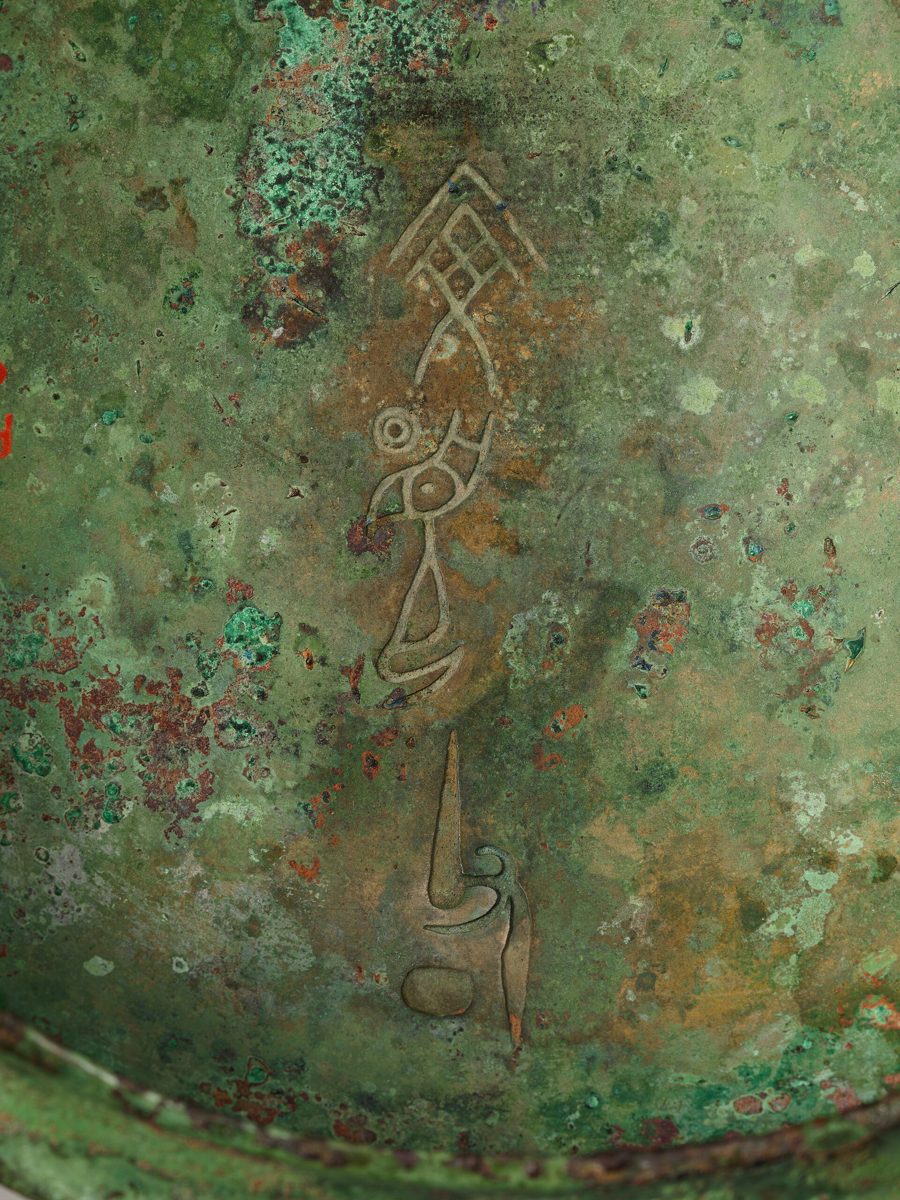
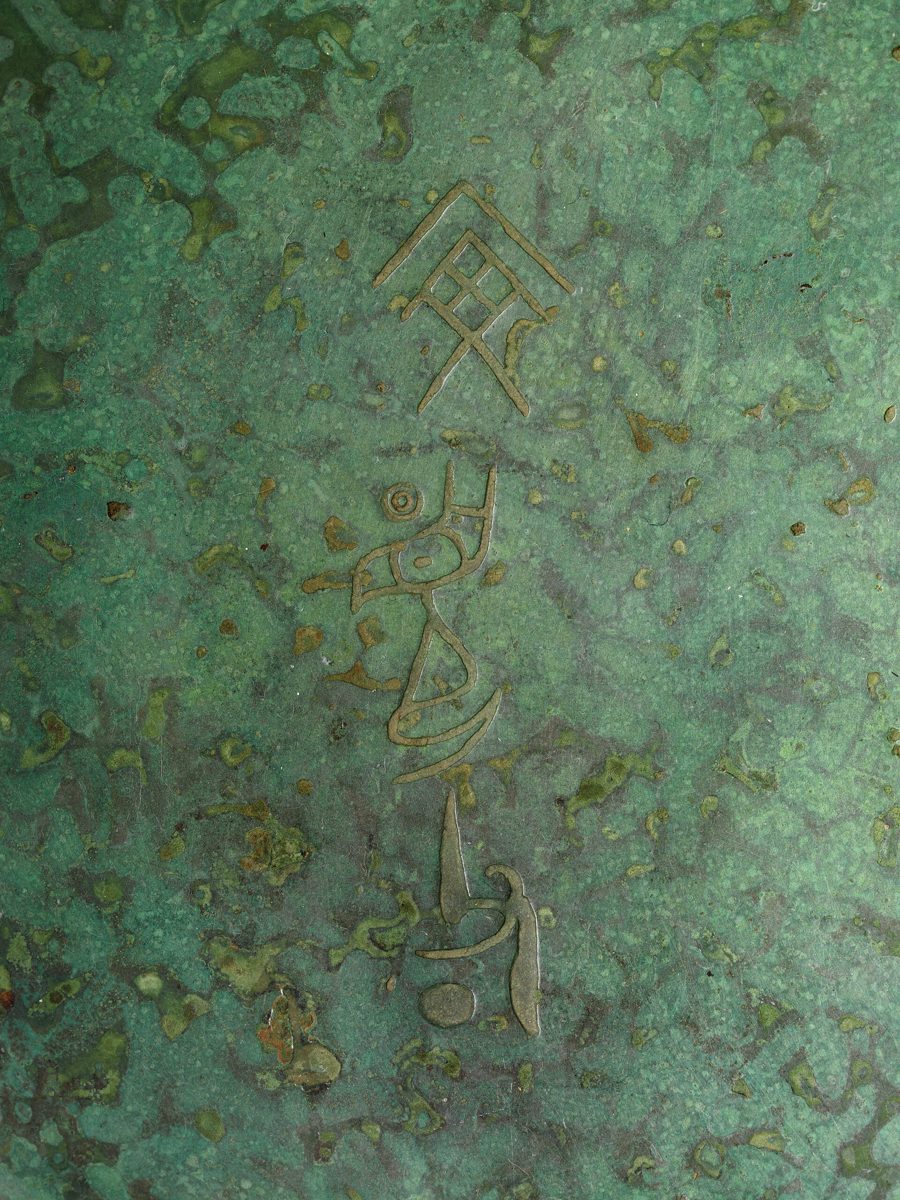
For the ritual function and inscriptions behind
these shapes, see the ritual
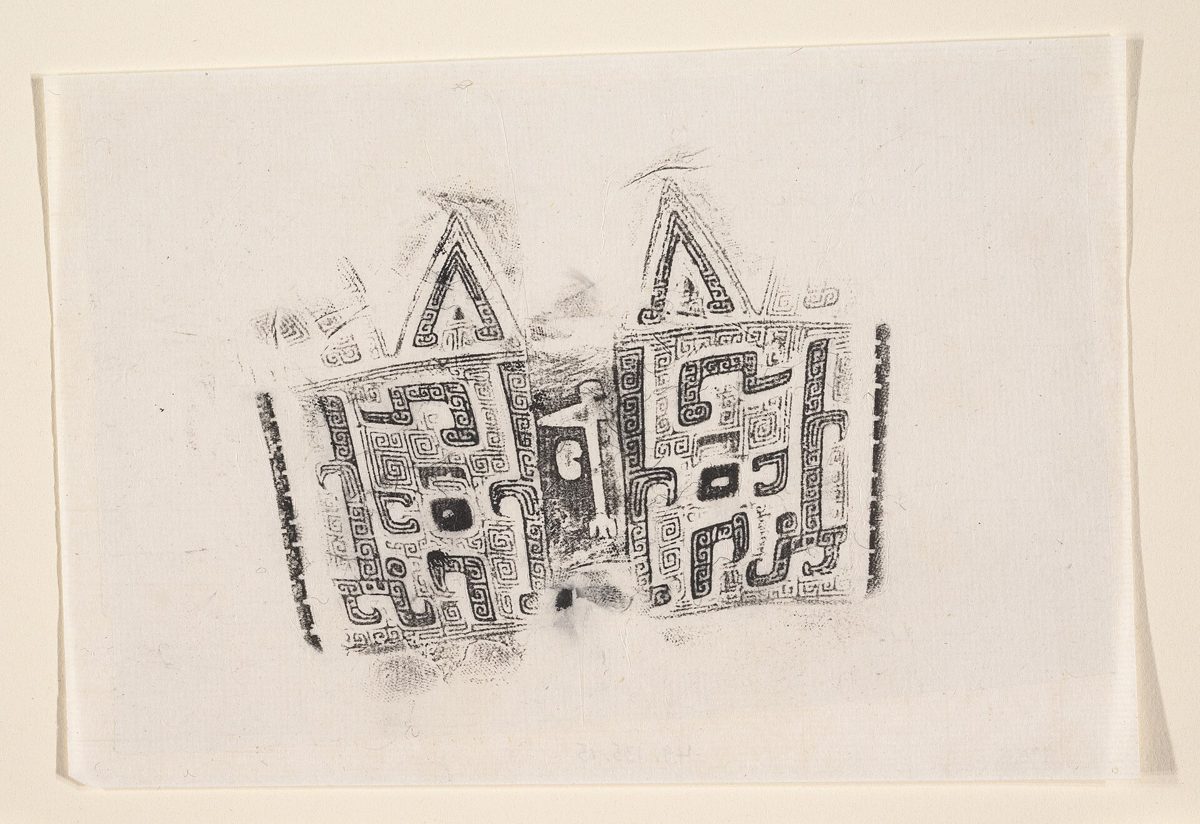
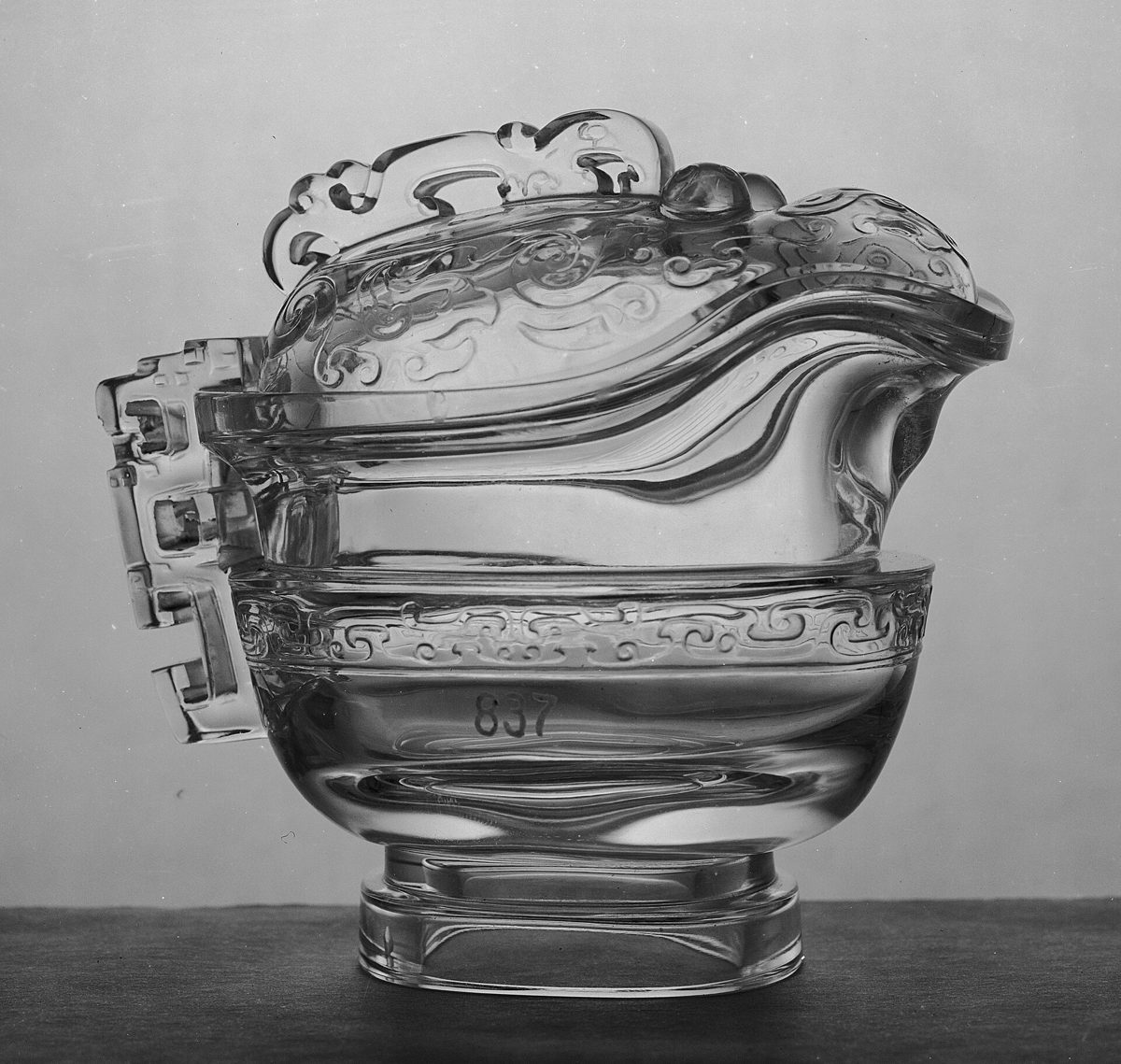
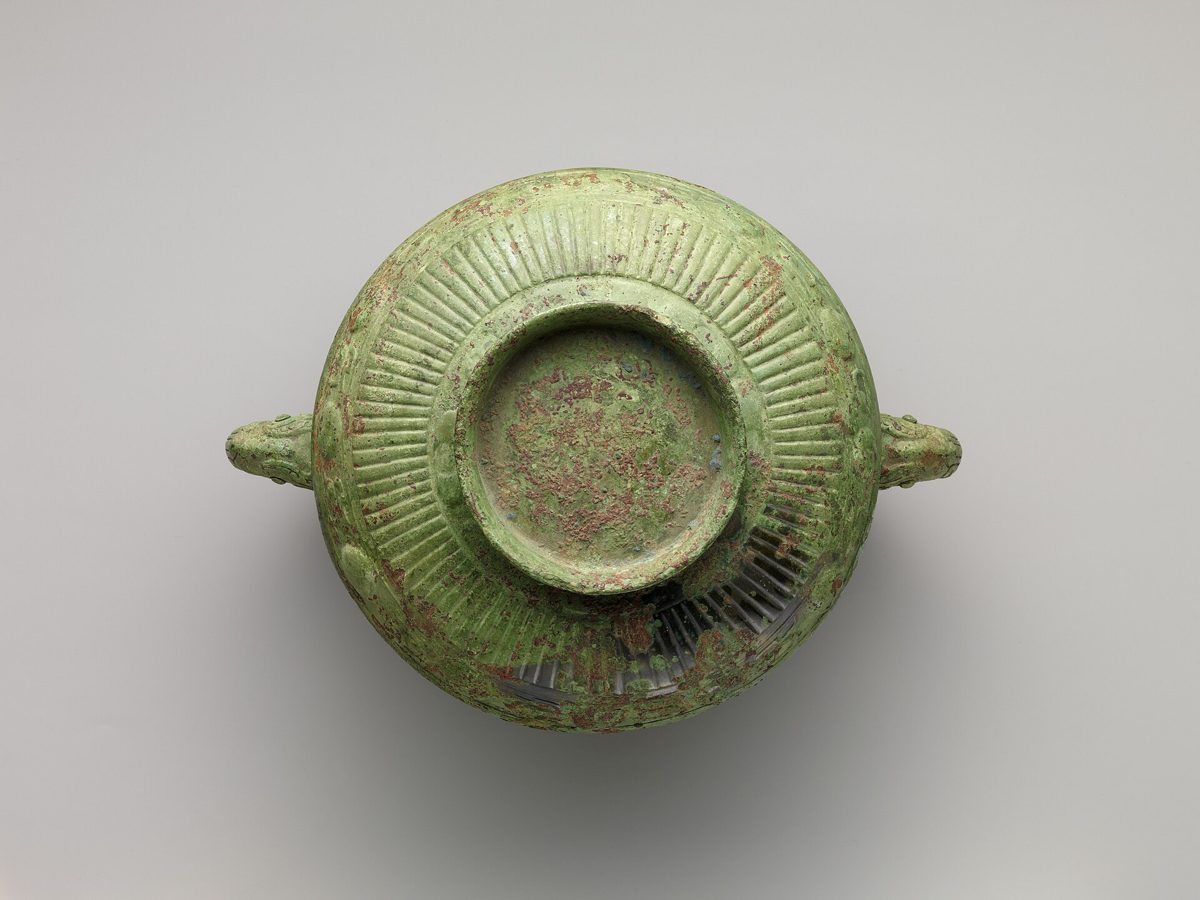
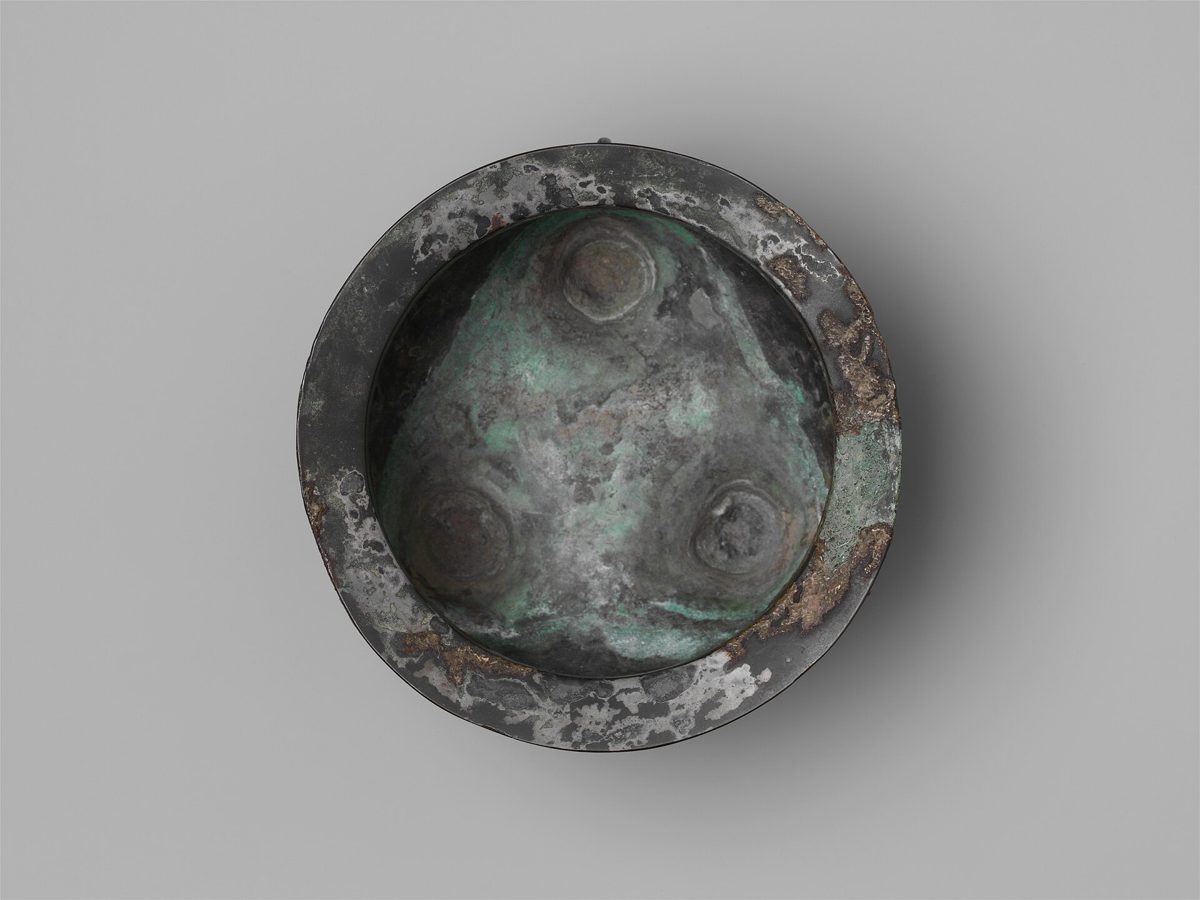
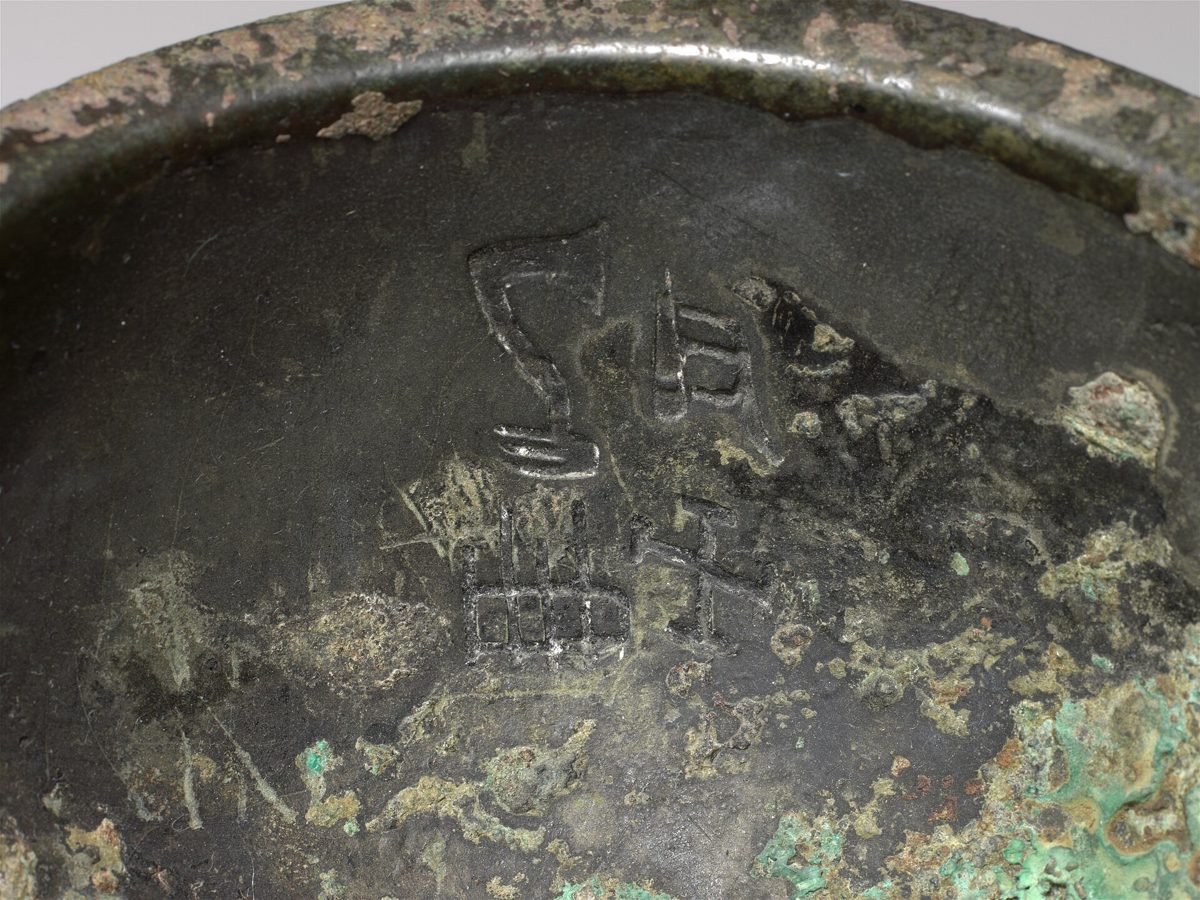
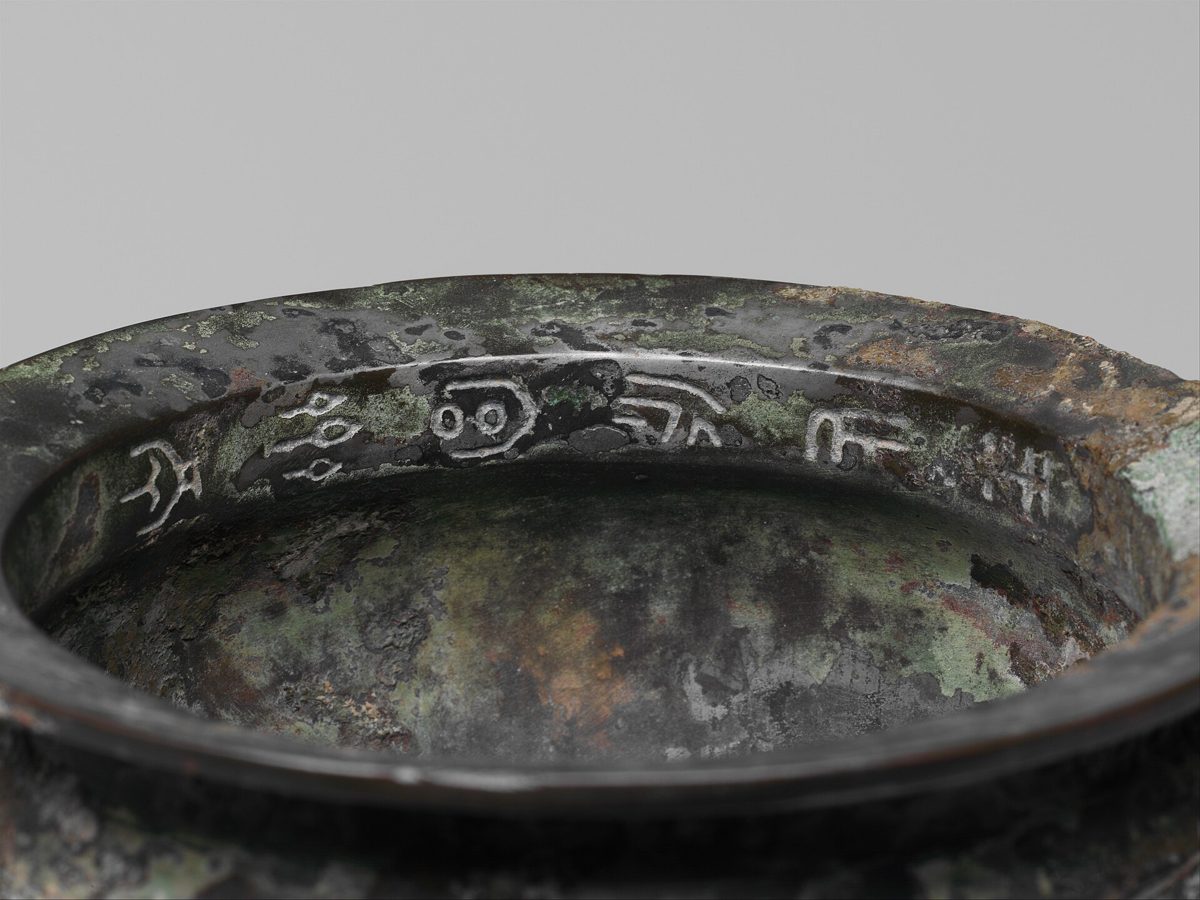
vessel guide; the images above are public-domain museum specimens shown only
as form references.
Historical form references
Public-domain photographs of historic Chinese bronzes of these forms, from the Metropolitan Museum of Art open-access collection (via Wikimedia Commons). These are museum antiquities shown only as form & typology references — not photographs of any item we sell; our pieces are modern reproductions made to order.