Chinese Bronze Dragons: Symbolism, Forms and Decorative Motifs
Reference guide · Bronze Atelier · Published 2026-10-26
The dragon (龎, long) is the most durable creature in Chinese metalwork, but on bronze it rarely looks like the imperial five-clawed dragon of Ming porcelain. Early dragon decoration is abstract, zoomorphic and structural — a body that coils around a handle, a head that resolves out of a beast mask, a tail that becomes a flange. Learning to see that dragon is the difference between reading a vessel and just admiring a pattern.
The beast-mask and the dragon family
The emblem motif of Shang and Western Zhou bronzes is the taotie (饕餮) — a frontal, often horned mask built from two mirrored profile dragons whose bodies unroll outward. Whether the taotie is literally a dragon, a generic “devouring beast,” or an abstract composite is a long-standing scholarly debate, not a settled fact; what is documented is its form and its position as the dominant early decor. From this root, recognisable dragon types proliferate in later periods:
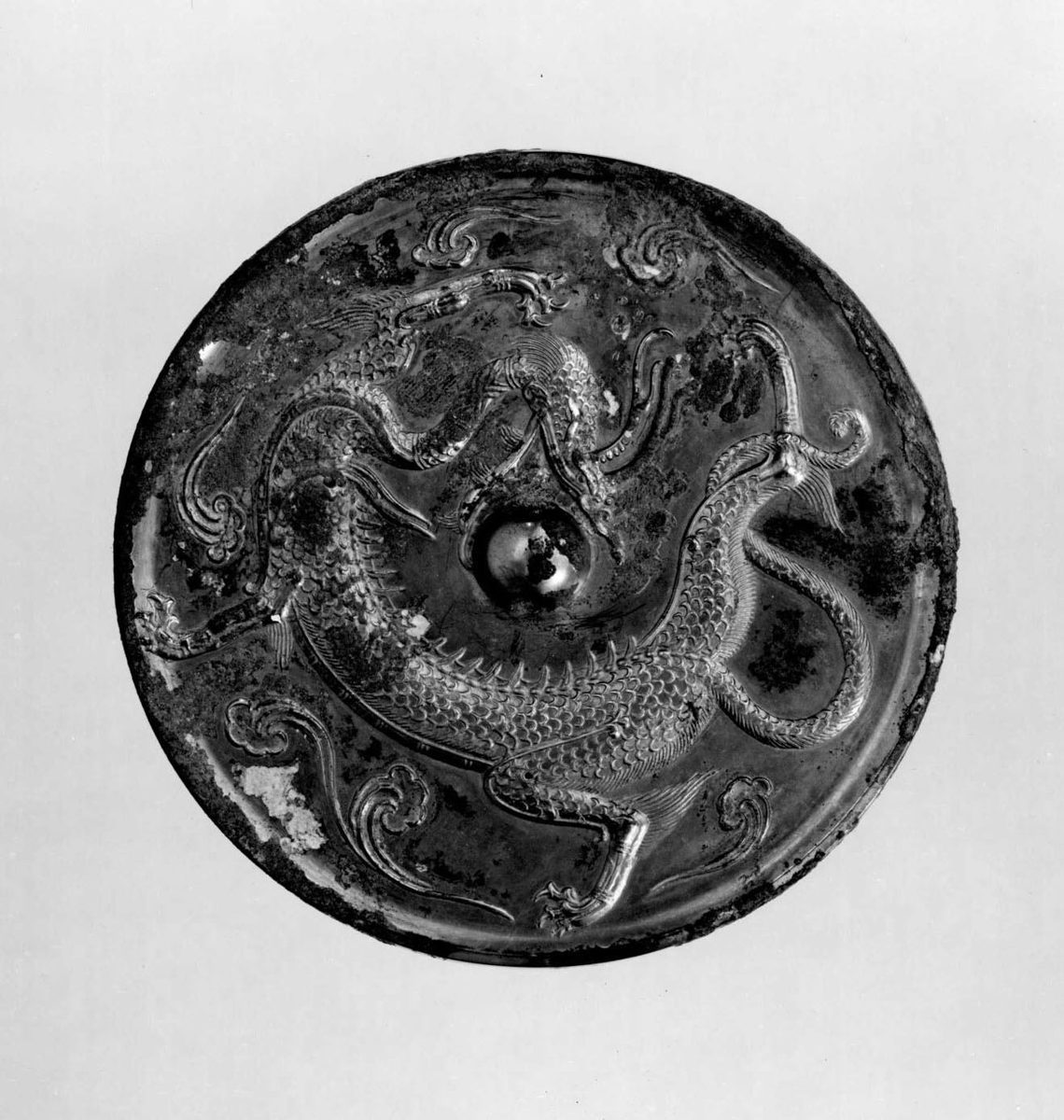
- Coiled / hornless dragon (chi, 螭) — a serpentine body, common on Warring States and Han vessels and mirrors.
- Twisting panlong coils — interlocking bodies as openwork, popular on Han censers and fittings.
- Cloud-and-dragon and “dragon eating” scenes — narrative dragon decor from the Han onward.
Motif is not free-standing — it sits on a ground
Dragon relief almost never floats. It is laid over a filled cloud pattern or leiwen thunder/scroll ground (a squared spiral reading as cloud or water), and framed by flanges and band borders. The three-layer logic — ground, main animal register, border — is one of the most reliable things a student can learn to look for, and one of the easiest for a careless reproduction to flatten.
Where the dragon appears on the object
- As structural handles — a dragon gripping the rim of a ding or the side of a gui.
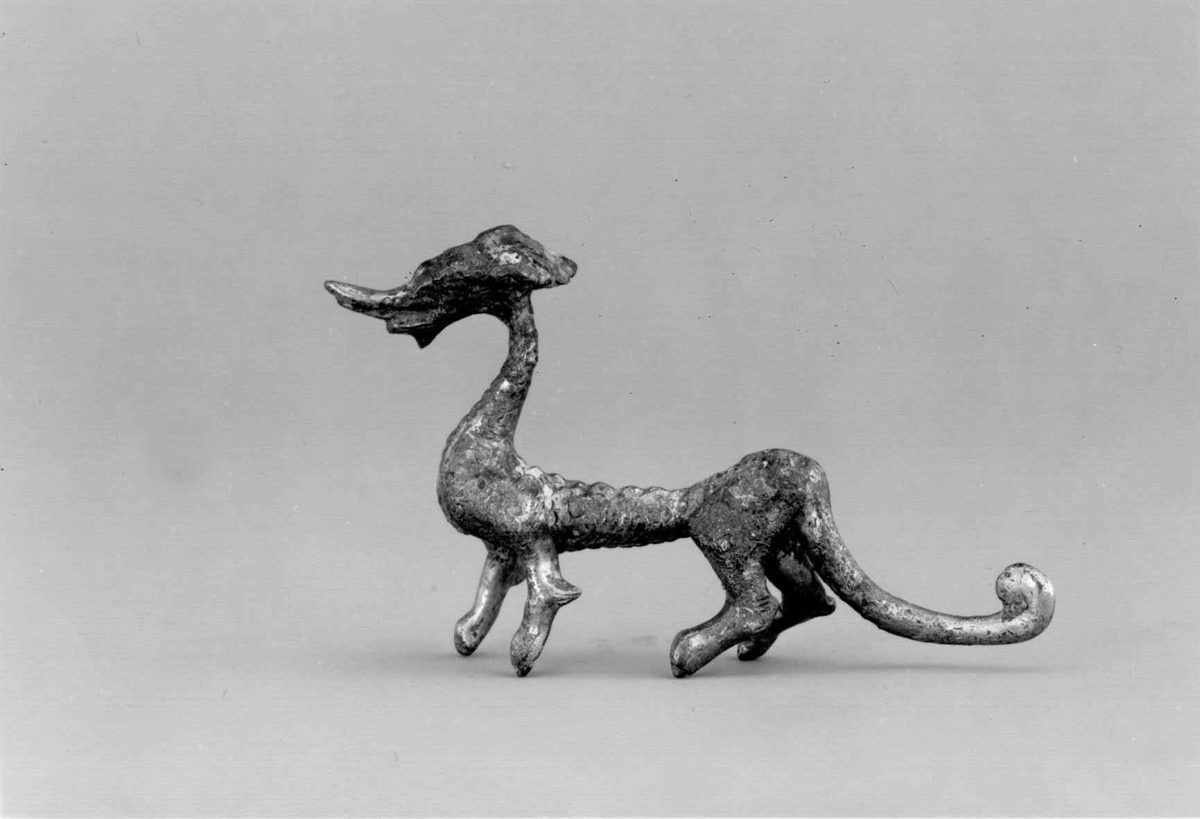
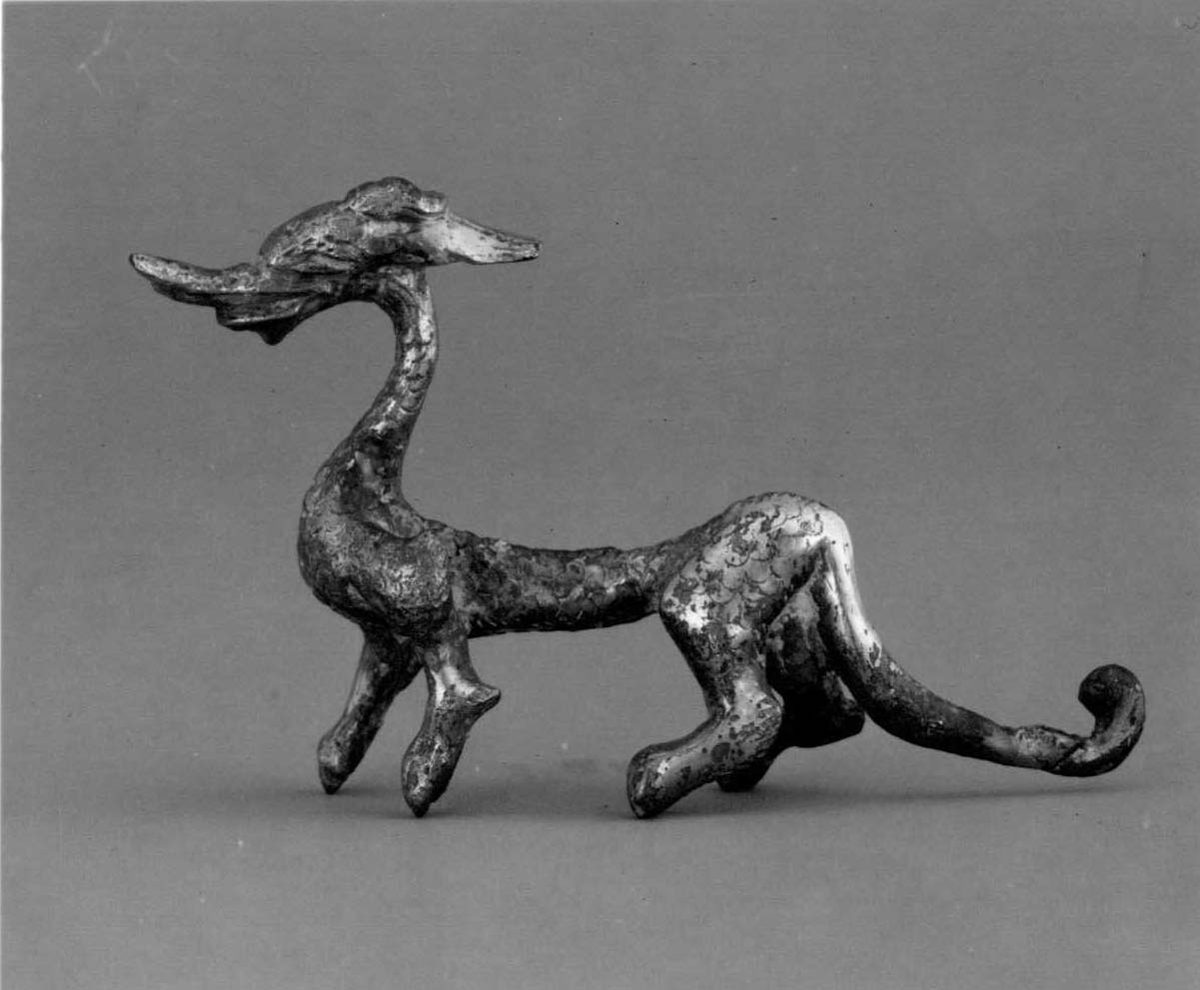
- As feet and stands — coiled dragons forming the base of a censer or mirror fitting.
- As surface relief on vessel walls, mirror backs and gilt-bronze fittings.
Historical form references
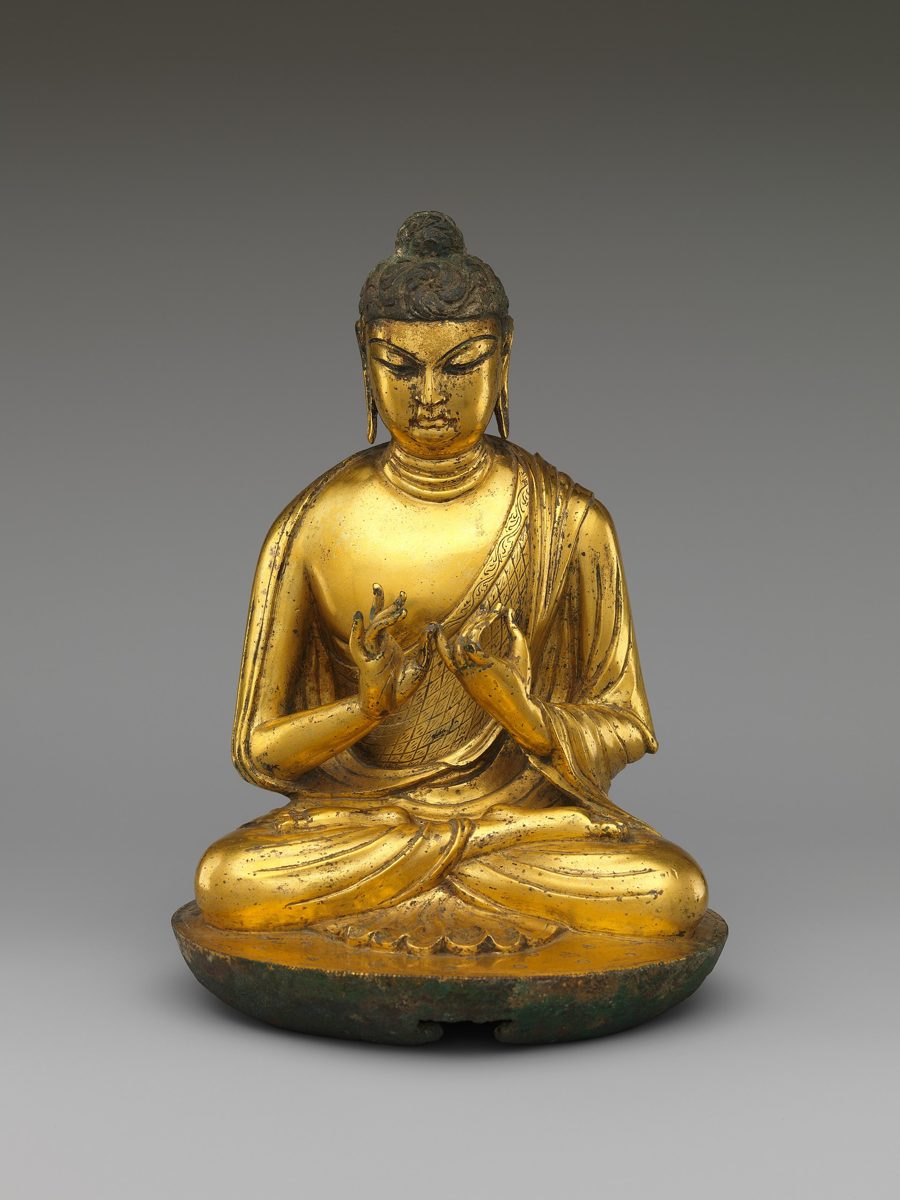
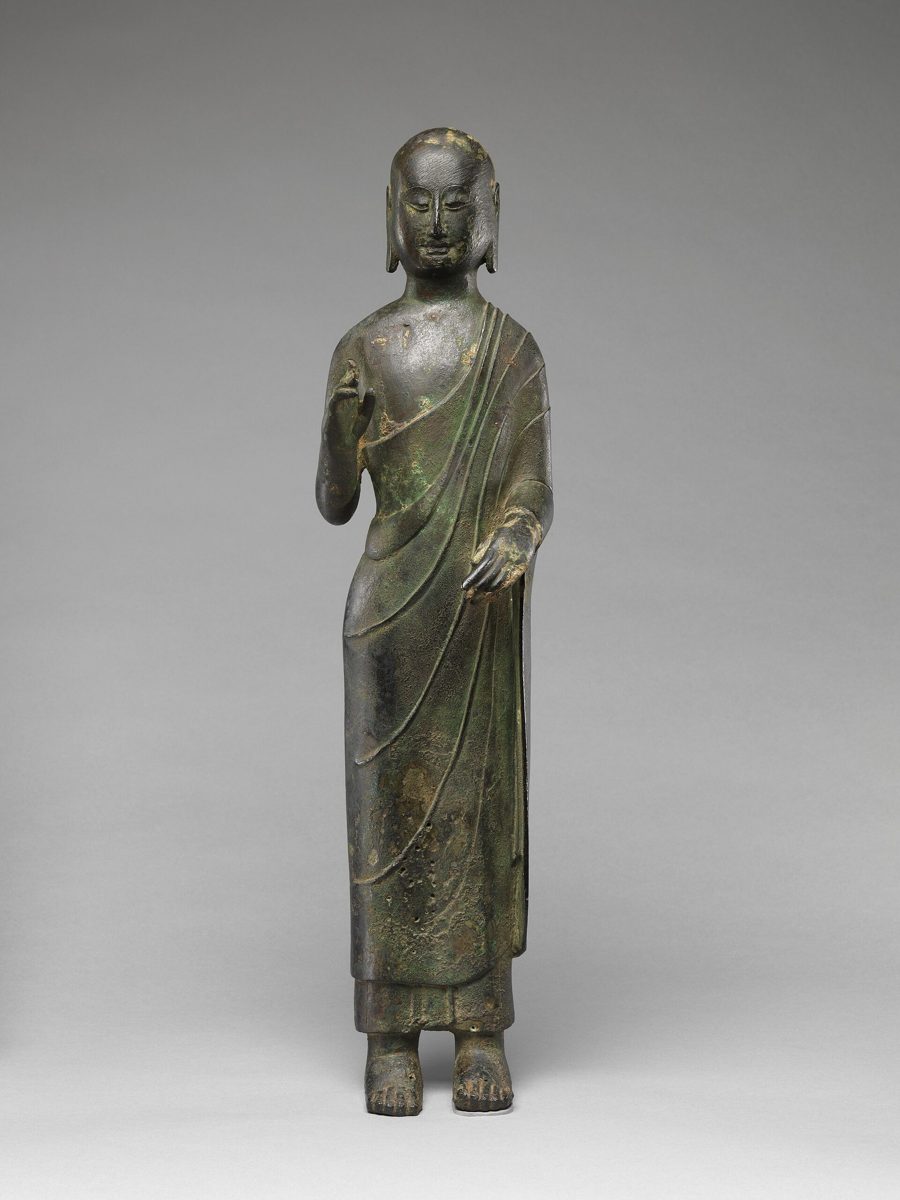
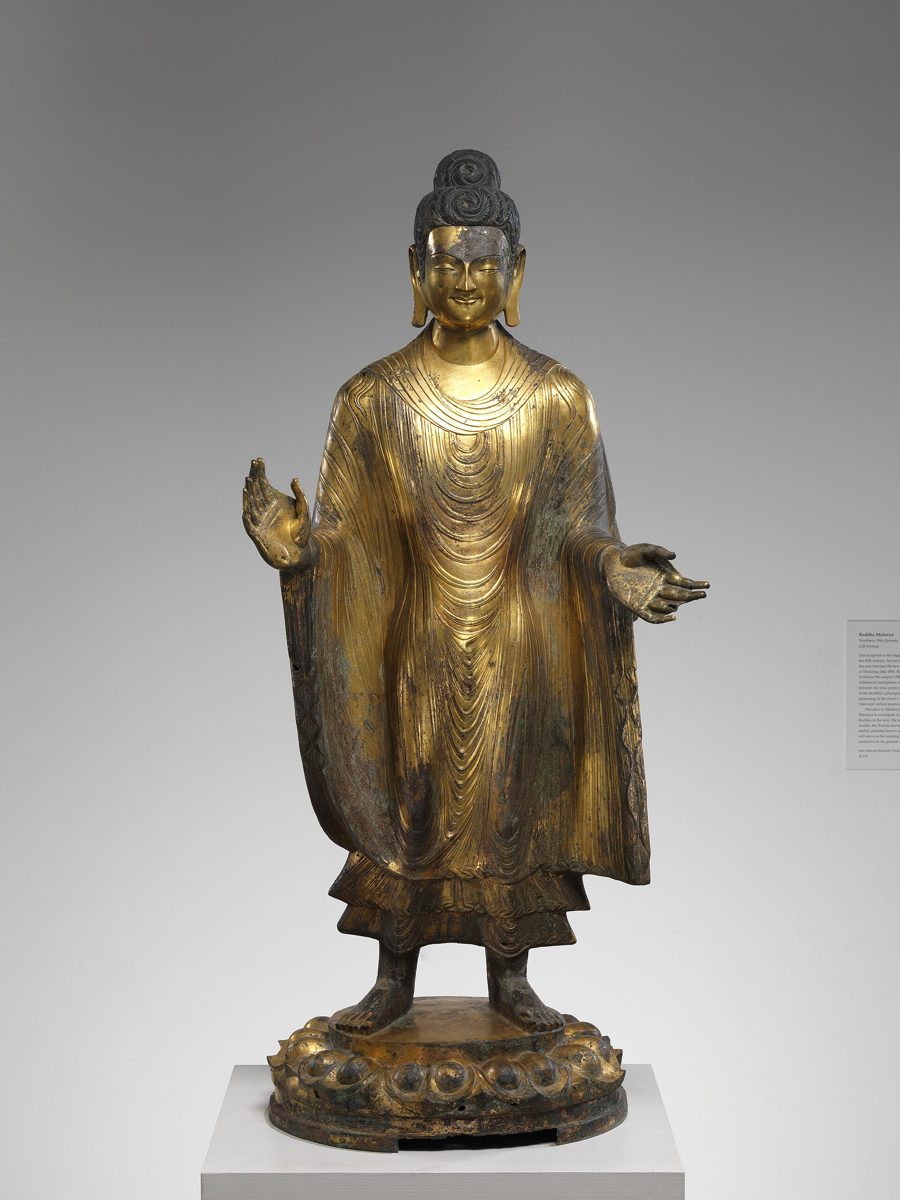
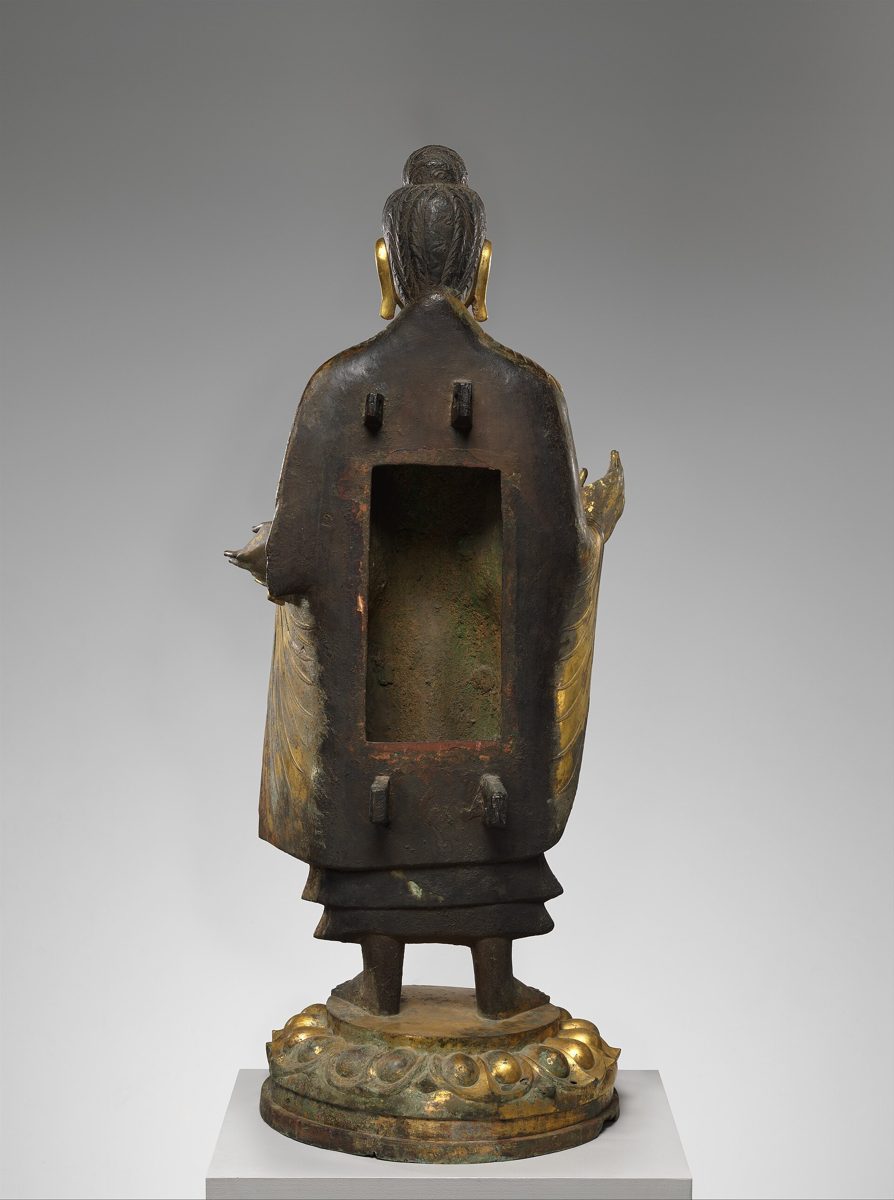
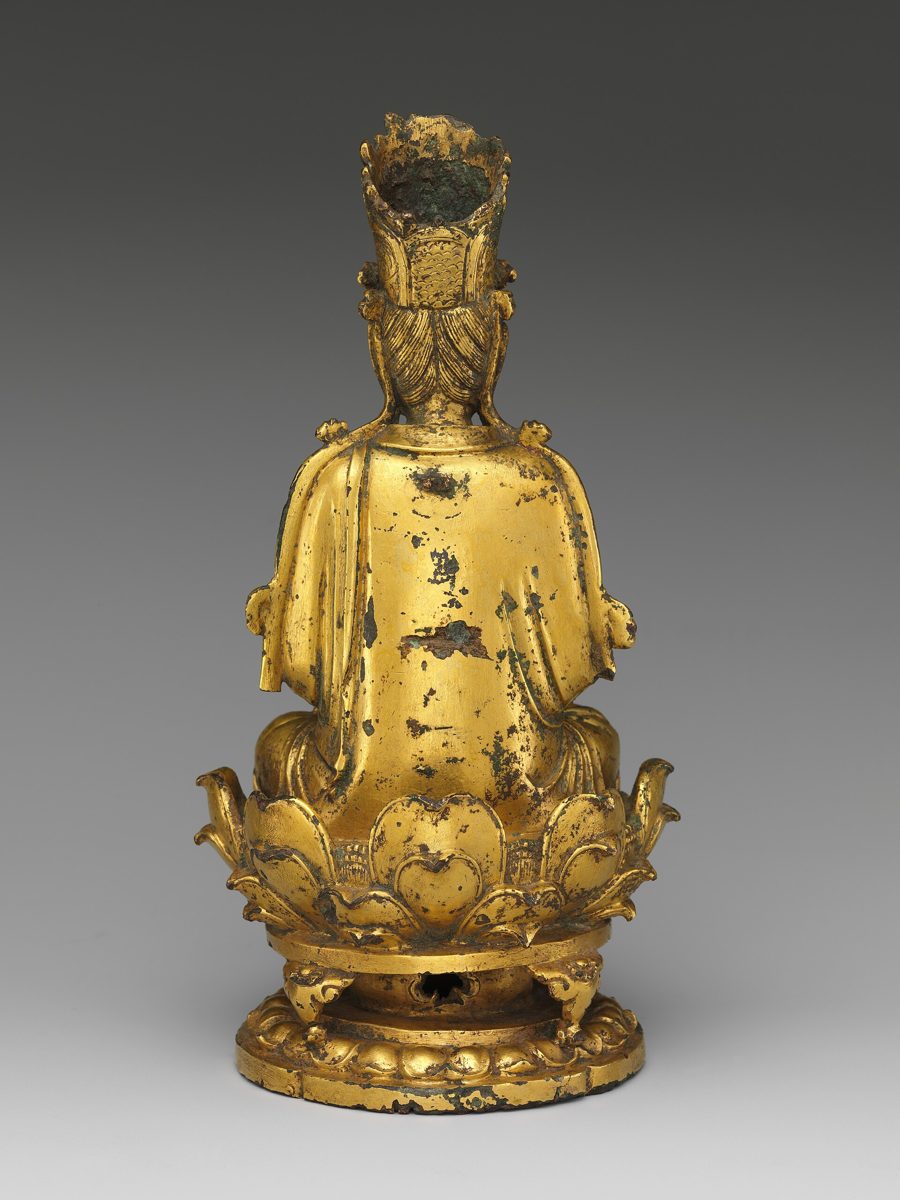
Public-domain photographs of historic Chinese bronzes of these forms, from the Metropolitan Museum of Art open-access collection (via Wikimedia Commons). These are museum antiquities shown only as form & typology references — not photographs of any item we sell; our pieces are modern reproductions made to order.
Sources & further reading
External links open in a new tab and are cited for verification only; they are not endorsements or shopping recommendations.
- Chinese dragon — Wikipedia
- Taotie (beast-mask motif) — Wikipedia
- Chinese ritual bronzes — Wikipedia
- Gilt bronze — Wikipedia
Related
Decorative figures & motifs Ritual vessel forms & uses How bronze is cast & finished A visual guide to vessel shapes